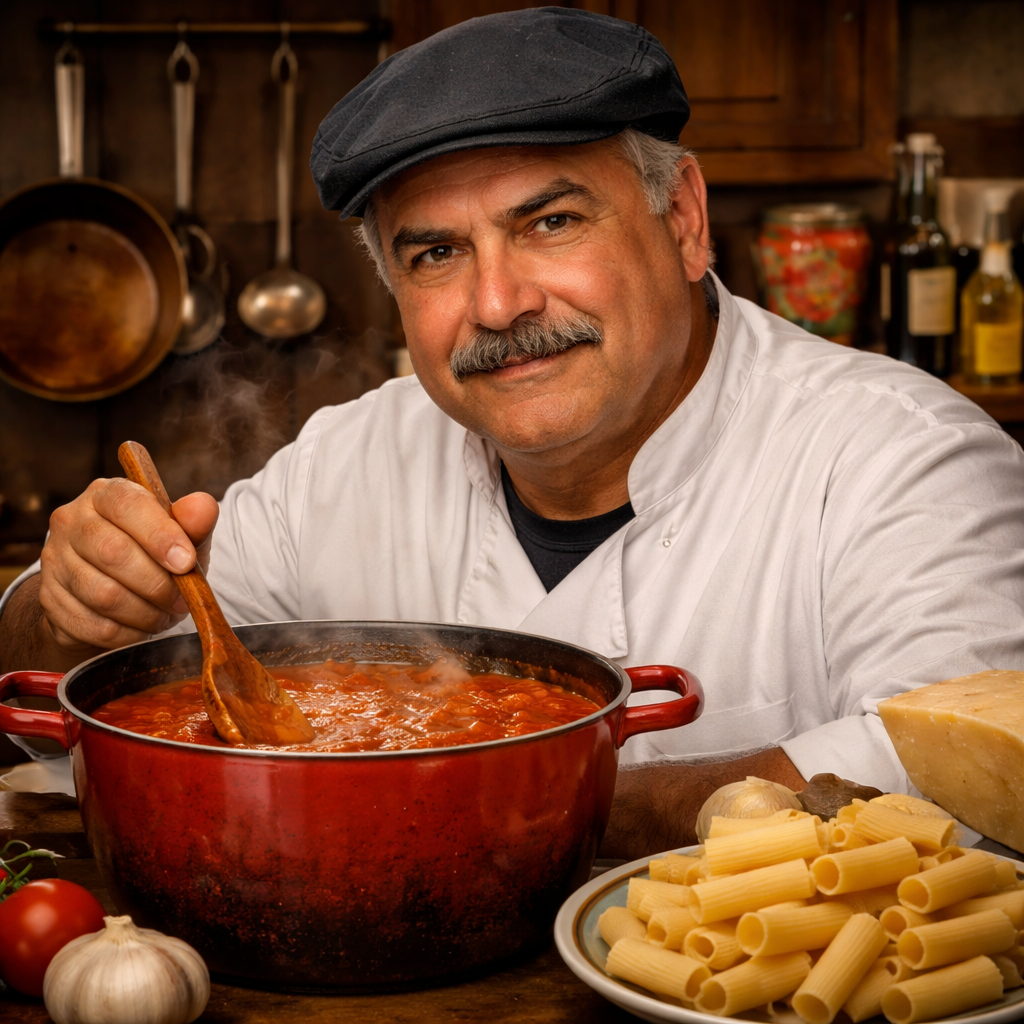
I‘ve been making this since before you were born. Trust me. Mediterranean diet recipes are having a moment right now, and for once, the trend is entirely deserved. The Mediterranean way of eating — olive oil, fish, legumes, vegetables, whole grains, fresh herbs, moderate amounts of dairy and lean meat, and a glass of wine without guilt — happens to be one of the most satisfying, flavorful, and sustainable ways to eat. It also happens to be how much of my Italian-American cooking was already organized. Not because anyone called it ‘the Mediterranean diet.’ Because my grandmother and her mother before her cooked with olive oil instead of butter, ate fish on Fridays without complaint, and never treated vegetables as an afterthought.
This is the Mediterranean Diet Recipes collection — the recipe my family fights over. Pair with my High-Protein Meal Prep Bowls, Easy Keto Dinners, and Easy Vegetarian Dinners for a full picture of healthy, flavor-driven cooking. Check out my Quinoa Recipes and Healthy 30-Minute Dinners for more ideas.
Why Mediterranean Cooking Works
- Olive oil as the primary fat — cold-pressed extra-virgin olive oil provides flavor, richness, and the healthy monounsaturated fats that make this diet heart-friendly. Use it generously and without apology.
- Legumes as protein anchors — chickpeas, lentils, white beans, and fava beans provide protein, fiber, and a satisfying body that makes vegetarian Mediterranean dishes feel substantial.
- Fresh herbs everywhere — parsley, mint, basil, oregano, thyme, and rosemary add brightness and complexity without adding calories. The Mediterranean kitchen is an herb garden that landed on a plate.
- Acid finishes — lemon juice and good vinegar finish almost every Mediterranean dish. The acid lifts the flavors of everything else on the plate.
Five Essential Mediterranean Recipes
1. Greek Lemon Chicken
- 4 bone-in chicken thighs
- Juice of 2 lemons + zest of 1 lemon
- 4 tbsp olive oil, 4 garlic cloves, dried oregano, salt, pepper
- Serve with: roasted vegetables and tzatziki
2. White Bean and Kale Soup
- 2 cans white beans (cannellini), drained
- 4 cups kale, roughly chopped
- 4 cups chicken or vegetable broth
- Soffritto base: onion, celery, carrot, garlic, olive oil
- Parmesan rind, dried rosemary, lemon finish
3. Baked Cod with Tomatoes and Olives
- 4 cod fillets (6 oz each)
- 2 cups cherry tomatoes, halved
- ¾ cup Kalamata olives
- 3 tbsp capers, 4 garlic cloves, olive oil, fresh herbs
4. Fattoush Salad with Grilled Halloumi
- Romaine and mixed greens, cucumber, tomatoes, radishes, fresh mint and parsley
- Toasted pita chips
- 4 slices halloumi cheese, pan-seared
- Dressing: olive oil, lemon, sumac, pomegranate molasses
5. Shakshuka
- 6 eggs
- 1 can crushed tomatoes + 1 can diced tomatoes
- 2 bell peppers, diced
- Onion, garlic, cumin, paprika, coriander, cayenne
- Fresh cilantro, feta, crusty bread to serve
Instructions
Greek Lemon Chicken
Combine lemon juice, zest, olive oil, minced garlic, and oregano in a bowl. Marinate chicken thighs in this mixture for at least 30 minutes (or overnight). Sear skin-side down in an oven-safe skillet over high heat, 5 minutes. Flip, add remaining marinade. Roast at 400°F for 20–25 minutes until 165°F. Rest 5 minutes. The pan juices with the caramelized lemon are the sauce.
White Bean and Kale Soup
Sauté soffritto vegetables in olive oil over medium heat until softened, 6–8 minutes. Add garlic and rosemary, cook 1 minute. Add white beans, broth, and parmesan rind. Simmer 15 minutes. Add kale, simmer 5–7 minutes more until wilted and tender. Finish with lemon juice and extra olive oil. Season generously. The parmesan rind dissolves into the broth and creates exceptional depth.
Baked Cod with Tomatoes and Olives
In a baking dish, combine cherry tomatoes, olives, capers, sliced garlic, olive oil, and fresh thyme. Season well. Place cod fillets on top. Season cod. Drizzle with more olive oil. Bake at 400°F for 15–18 minutes until cod flakes easily. The tomato and olive juices create a natural sauce. Finish with lemon and fresh parsley. Serve with crusty bread to scoop up the sauce.
Fattoush with Grilled Halloumi
Make dressing by whisking olive oil, lemon juice, sumac, and pomegranate molasses. Season. Pan-sear halloumi slices in a dry non-stick pan over high heat, 1–2 minutes per side until golden. Don’t oil the pan — halloumi has enough fat to sear without sticking. Assemble salad with all vegetables and herbs, top with pita chips and halloumi, drizzle dressing over everything.
Shakshuka
Sauté onion and peppers in olive oil until softened, 6–8 minutes. Add garlic and spices — cook 1–2 minutes until fragrant. Add tomatoes, season, and simmer 10–12 minutes until sauce thickens. Create wells in the sauce with a spoon. Crack eggs into the wells. Cover and cook 5–7 minutes until whites are set but yolks are still runny. Top with fresh cilantro, crumbled feta, and serve with bread for scooping.
Mediterranean Cooking Principles
- Use good olive oil — not the cheapest bottle, not just any brand. A good extra-virgin olive oil is the foundation of every Mediterranean dish. Taste it before cooking with it — it should be fruity, slightly peppery, never flat.
- Don’t skimp on lemon — Mediterranean cooking uses lemon with what seems like abandon. That final squeeze at the end isn’t optional. It wakes up every other flavor on the plate.
- Fresh herbs, not dried (where possible) — fresh parsley, mint, and basil add a brightness that dried versions can’t replicate. Dried herbs work for cooking (oregano, thyme, rosemary); fresh herbs work for finishing.
- Good crusty bread — for soaking up sauces, olive oil, and bean broth. Not optional. Not a side thought.
- Eat seasonally — Mediterranean cooking was built around whatever was in season locally. Use the best tomatoes in summer, root vegetables in winter, and you’re cooking the way it was designed to be cooked.
More Mediterranean Recipe Ideas
- Grilled Whole Fish: Stuff a whole branzino or sea bass with lemon, garlic, and herbs. Grill or roast at 450°F for 20–25 minutes. One of the purest and most impressive Mediterranean preparations.
- Hummus from Scratch: Cooked chickpeas, good tahini, lemon, garlic, olive oil, and ice water blended until silky. Once you’ve made real hummus, the store version is a compromise.
- Grilled Vegetables with Feta: Zucchini, eggplant, and peppers grilled with olive oil and herbs, topped with crumbled feta and lemon. A side dish that earns its place at any table.
- Lamb Kofta: Spiced ground lamb with cumin, coriander, onion, and parsley, formed on skewers and grilled. Serve with tzatziki, flatbread, and a chopped salad.
- Tabbouleh: Finely chopped parsley, mint, tomatoes, and bulgur wheat with lemon and olive oil. The parsley is the main ingredient — not the grain. A technical point worth knowing. See my Quinoa Recipes for a quinoa-based tabbouleh variation.
Storage Guidelines
- Soups and stews: Refrigerate up to 5 days, freeze up to 3 months. Reheat gently with a splash of broth or water.
- Fish dishes: Best eaten day of. Baked fish stores 1–2 days but texture declines. Reheat very gently at low temperature or eat cold.
- Salads: Store undressed components separately up to 3 days. Dress immediately before serving.
Frequently Asked Questions
What is the Mediterranean diet exactly?
A dietary pattern based on traditional eating habits of countries bordering the Mediterranean Sea (Greece, Italy, Spain, Southern France, Morocco, Turkey, Lebanon, and others). Characterized by high olive oil consumption, abundant vegetables and legumes, moderate fish and poultry, limited red meat, moderate dairy, and wine in moderation. Less a rigid diet than a cooking philosophy.
Is the Mediterranean diet actually healthy?
It’s one of the most studied dietary patterns in the world and consistently associated with reduced rates of heart disease, type 2 diabetes, and cognitive decline. The mechanisms are believed to be the high antioxidant content from vegetables and olive oil, anti-inflammatory compounds from fish and olive oil, and the prebiotic fiber from legumes and whole grains.
Is the Mediterranean diet expensive?
Not inherently. Legumes, dried grains, seasonal vegetables, canned tomatoes, and olive oil are affordable staples. Fish and quality olive oil are the higher costs. Budget-Mediterranean cooking leans heavily on beans, lentils, vegetables, and eggs — all inexpensive — with fish and meat as occasional rather than daily proteins.
Does the Mediterranean diet include pasta?
Yes — pasta is an Italian staple and very much part of the broader Mediterranean food tradition. The difference from typical American pasta consumption: smaller portions (pasta as part of a meal, not the whole meal), high-quality olive oil and fresh ingredients rather than heavy cream sauces, and less processed ingredients overall.
What’s the best way to start eating Mediterranean?
Start by replacing butter with olive oil in everyday cooking. Add a salad with every dinner. Eat fish twice a week. Build at least two dinners a week around beans or lentils. These four changes alone shift the dietary pattern significantly without requiring a complete overhaul. Also see my Easy Vegetarian Dinners for plant-centered Mediterranean starting points.