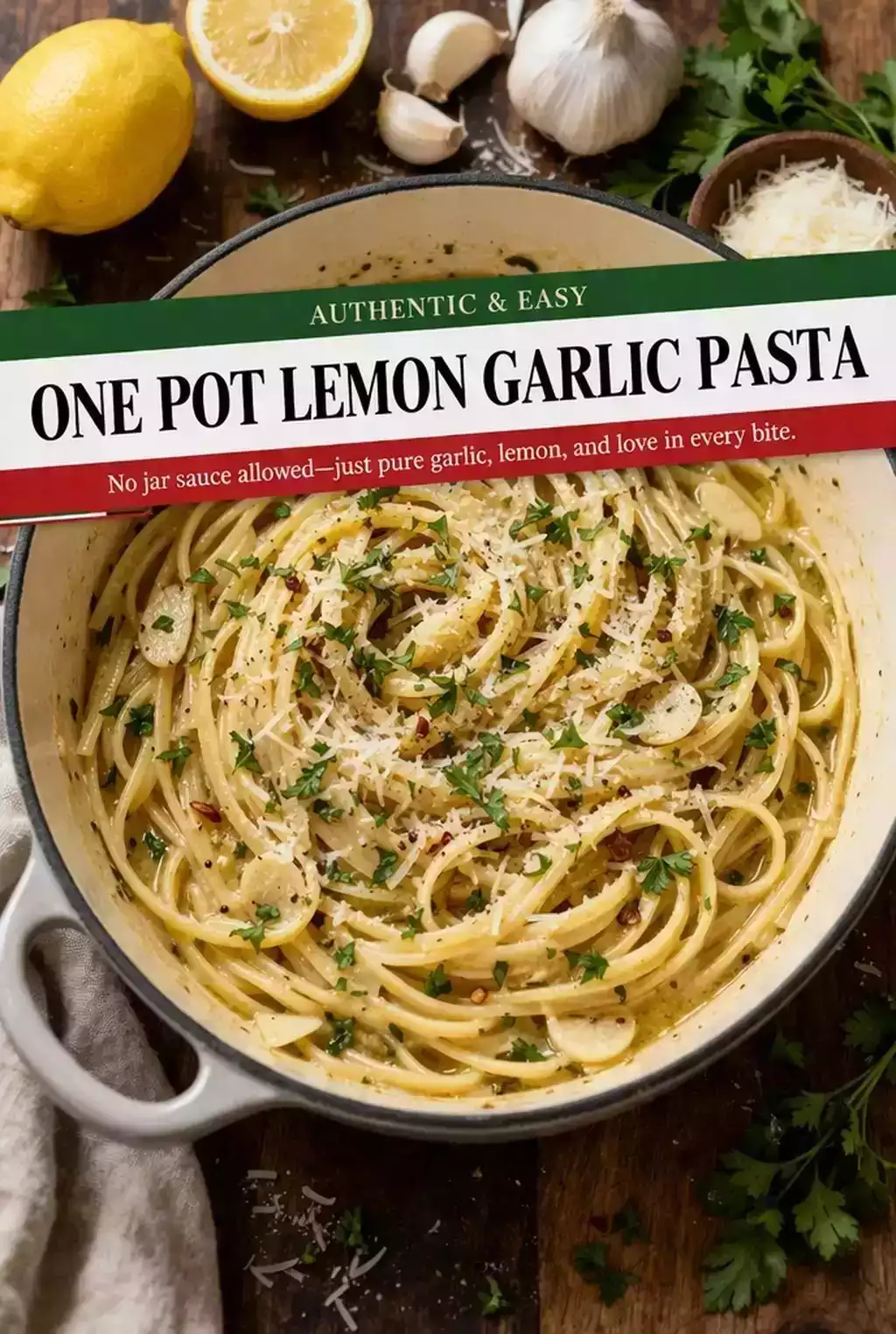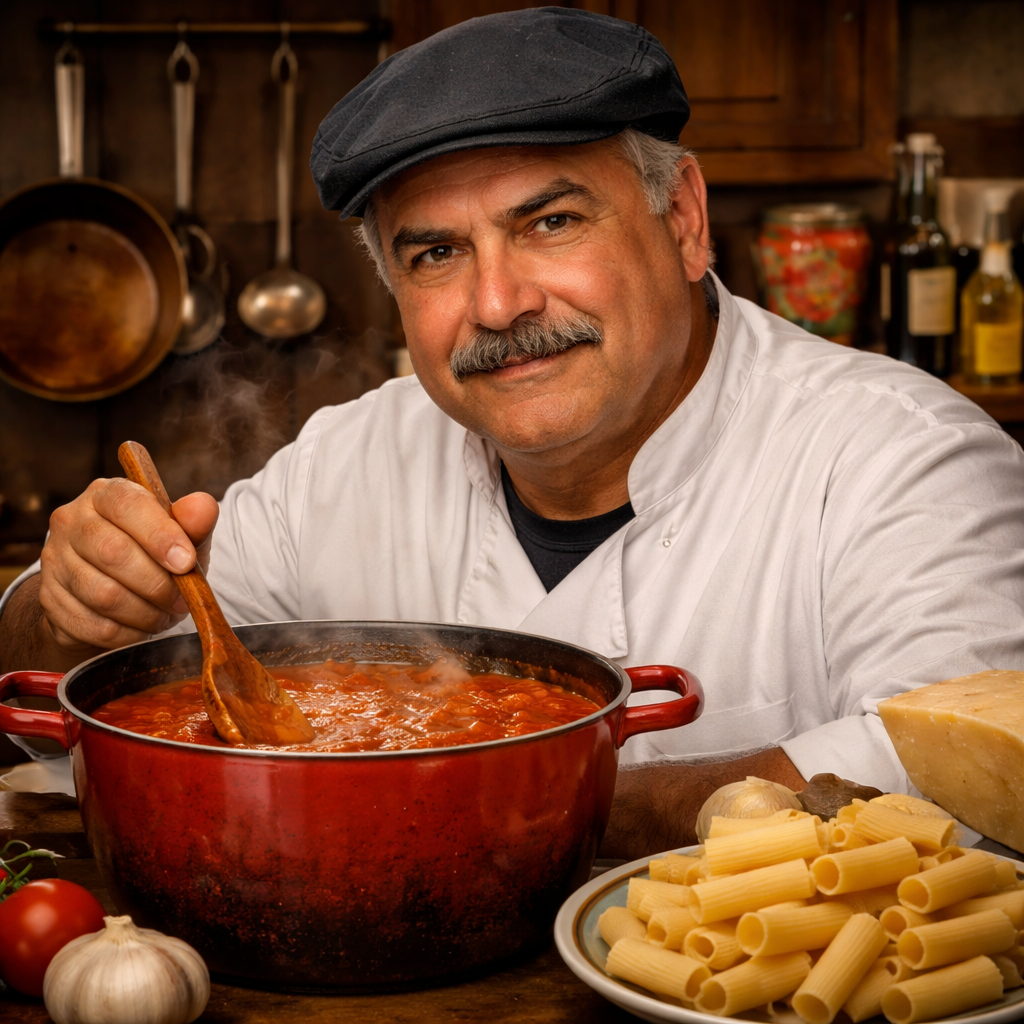
My nonna would’ve smacked me with a wooden spoon if I got this wrong. One-pot pasta primavera is Italian-American home cooking at its most practical — everything goes into a single pot, the pasta cooks in the liquid with the vegetables, and by the time it’s done, the starch has created its own light, clingy sauce. No draining, no separate pans, no ceremony. Just good food from one pot to the table.
Now, I’ll be straight with you. Purists will say there’s no such thing as a traditional pasta primavera — the dish was actually invented in New York in the 1970s, not Italy. That doesn’t make it less delicious. My family adopted it and made it ours, and the version I’m giving you here is one that’s been tuned over decades to produce the right result: a glossy, vegetable-rich sauce that clings to the pasta without being watery or heavy.
The one-pot method isn’t just a shortcut. It actually makes a better sauce than boiling the pasta separately, because the starch releases directly into the cooking liquid and builds body as it reduces. Poco a poco — a little at a time. That’s how the flavor builds here.
Why This Recipe Works
When pasta cooks in a small amount of flavorful liquid rather than a large pot of plain water, two things happen: the pasta absorbs flavor directly as it hydrates, and the starch it releases thickens the remaining liquid into a natural sauce. You don’t need cream or roux — the pasta makes its own binder. This is the chemistry that makes the best one-pot pasta primavera work without any cheating.
The vegetable timing matters. Hard vegetables like carrots and broccoli go in early with the pasta. Delicate ones like zucchini and peas go in the final few minutes so they don’t turn to mush. Everything comes out at the right texture at the same time, which is what separates an easy one-pot pasta primavera that works from one that produces sad, overcooked vegetables floating in a watery pool.
Ingredients
The Pasta Base
- 12 oz spaghetti or linguine, broken in half
- 3½ cups low-sodium chicken broth
- 1½ cups water
- 3 garlic cloves, thinly sliced
- 1 medium yellow onion, thinly sliced
- 1 tsp kosher salt
- ½ tsp black pepper
- Pinch of red pepper flakes
- 2 tbsp olive oil
The Vegetables
- 1 cup broccoli florets, small
- 1 medium carrot, julienned or thinly sliced
- 1 medium zucchini, sliced into half-moons
- 1 cup cherry tomatoes, halved
- ½ cup frozen peas
- 1 red bell pepper, thinly sliced
Finishing
- 1 cup Parmigiano-Reggiano, freshly grated
- 2 tbsp fresh basil, torn
- 1 tbsp lemon juice
- Extra olive oil for drizzling
- Salt and pepper to taste
How to Make It
1 Load the Pot
In a large, wide pot or deep skillet, combine the dry pasta, broth, water, garlic, onion, salt, pepper, red pepper flakes, olive oil, broccoli, carrot, and bell pepper. The broccoli and carrot are the hardest vegetables and need the full cooking time. Everything should be in one even layer as much as possible. Bring to a boil over high heat, stirring occasionally to separate the pasta strands.
2 Cook at a Steady Boil, Stirring Frequently
Once boiling, reduce to a vigorous simmer and cook uncovered, stirring every 1 to 2 minutes. You’re watching for two things: the pasta cooking through and the liquid reducing into a light sauce. The stirring is not optional — it prevents sticking and redistributes the starch so the sauce builds evenly. Total time is about 9 to 11 minutes from when it comes to a boil.
3 Add the Delicate Vegetables
With 3 minutes left on the pasta, add the zucchini, cherry tomatoes, and frozen peas. Stir them in and continue cooking. These vegetables need just enough time to heat through and soften slightly — not enough to lose their color or texture. The tomatoes will begin to blister and release their juices into the sauce.
4 Check the Liquid
When the pasta is done, there should be a small amount of loose, starchy liquid remaining in the pot — not a soupy pool, not completely dry. This is the sauce. If there’s too much liquid, cook 1 to 2 more minutes uncovered. If there’s too little and the pasta is sticking, add a splash of broth or water. The residual liquid will continue to absorb as the dish rests.
5 Finish and Serve
Remove from heat. Add the lemon juice and toss. Add the grated Parmigiano-Reggiano in two additions, tossing after each to melt it into the sauce. Taste for salt and pepper. Tear in the fresh basil and drizzle with a little extra olive oil. Serve immediately directly from the pot into bowls. A final grating of Parmigiano on top and you’re done.
Where Most People Blow It
Using too much liquid. The recipe is calibrated. Don’t add extra water or broth at the start thinking it’ll cook off — it won’t do so evenly, and you’ll end up with a watery dish instead of a saucy one. Stick to the measurements.
Not stirring frequently enough. The pasta will stick to the bottom if you leave it alone. Stir every 1 to 2 minutes from start to finish. This is an active cooking process, not a set-it-and-forget-it situation.
Adding all the vegetables at once. Hard and soft vegetables cook at completely different rates. Add the hard ones at the start, the delicate ones at the end. This is the difference between a finished dish and a container of vegetables at various stages of collapse.
Breaking the pasta in thirds. Halves only. Breaking into thirds creates different-length pieces that cook unevenly and serve poorly. Break spaghetti once, in the middle.
Rinsing the pasta. Don’t rinse. The starch on the pasta is what thickens the sauce. Rinse it and you’ve thrown away the whole point of the one-pot method.
Low-sodium broth matters. Full-sodium broth reduces down to a very salty result as the liquid concentrates. Use low-sodium and season with salt at the end when you can taste and control it.
What Goes on the Table With One-Pot Pasta Primavera
This is a lighter, vegetable-forward dish — it pairs well with a simple green salad and good bread. A glass of white wine is right at home here — Vermentino or Pinot Grigio. If you want a little protein on the table, grilled chicken or shrimp on the side keeps things easy.
For other pasta options in the Italian-American rotation, the homemade lasagna recipe is the big-production Sunday dish. The spaghetti carbonara recipe and baked ziti recipe are weeknight workhorses. The fettuccine alfredo recipe is the easy weeknight alternative when you want something creamy and satisfying.
Variations Worth Trying
Shrimp Primavera. Add large raw shrimp in the final 3 minutes with the delicate vegetables. They’ll cook through in the residual heat of the pasta and pick up the flavor of the broth. Quick, protein-forward, no extra pans.
Creamy Primavera. Stir in 3 tablespoons of mascarpone or cream cheese at the very end, off the heat. The residual warmth melts it into the sauce and adds richness without cream. Toss vigorously to incorporate.
Spring Pea and Mint. Skip the broccoli and carrot. Use fresh peas, asparagus tips, and finish with torn fresh mint instead of basil. Lemon-forward, bright, and genuinely seasonal in April and May.
Primavera with White Beans. Add a can of drained cannellini beans in the last 3 minutes. They add protein and a creamy texture that plays well with the starchy pasta sauce. A more complete meal from the same pot.
Storage and Reheating
Leftovers keep refrigerated for up to 3 days. The pasta will absorb nearly all the remaining liquid overnight, producing a much denser dish. Reheat in a pan over medium heat with a generous splash of broth or water, tossing until loosened and warmed through. Microwave with a splash of water and a paper towel cover, 90 seconds on medium power, stirring halfway.
Freezing is not recommended — the vegetables lose texture and the pasta goes mushy after thawing. This is a make-and-eat dish. Scale the recipe up or down based on how many people are at the table.
FAQ
Can I use gluten-free pasta?
Yes, with adjustments. Gluten-free pasta releases less starch, so the sauce won’t thicken as naturally. Reduce the liquid by about ¼ cup and watch the cooking time — gluten-free pasta can turn mushy faster than wheat pasta. Stir more frequently and pull it off the heat as soon as it’s tender.
What if there’s too much liquid when the pasta is done?
Cook uncovered for 1 to 2 more minutes over medium heat, stirring constantly, until the liquid reduces to a saucy consistency. A small amount of loose liquid is fine — it will absorb as the dish sits. A full puddle at the bottom is a sign you need to keep cooking.
Can I use vegetable broth to make this fully vegetarian?
Yes. Substitute an equal amount of low-sodium vegetable broth for the chicken broth. The flavor profile will be slightly lighter and more vegetable-forward, which works well with the primavera theme. Use a good-quality vegetable broth — the thin, flavorless kind won’t contribute much.
Can I add meat to this dish?
Yes. Sliced Italian sausage, cooked and added in the last 2 minutes, is a natural fit. Diced pancetta, rendered separately and added at the end, adds smoke and richness. For the purist vegetable version, skip both — it’s a complete dish on its own.