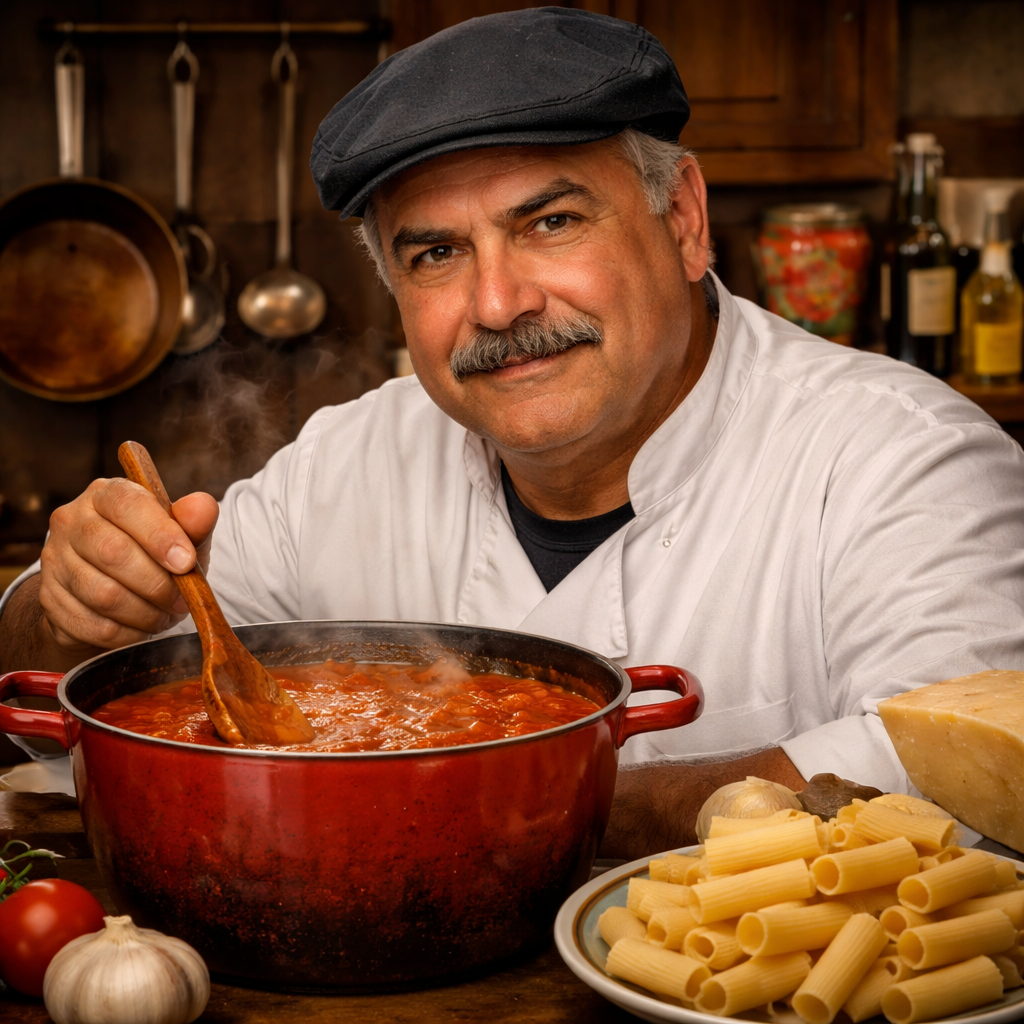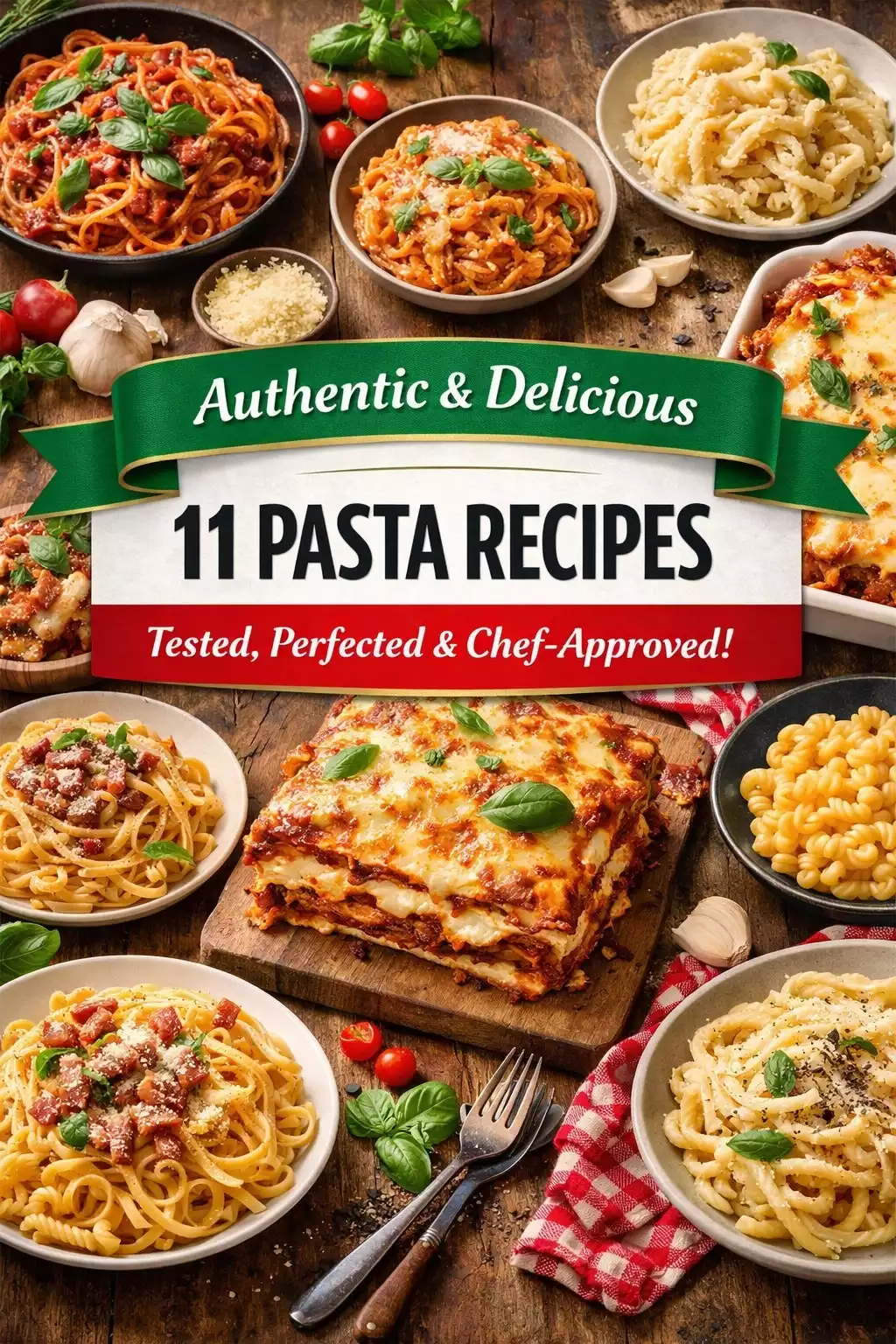
PStop what you’re doing. 11 Pasta Recipes — and I mean the real ones, not whatever passes for pasta recipes when somebody who’s never worked a Sunday service decides to write a recipe. I spent thirty years in professional kitchens in New Jersey, cooking for tables full of people who knew exactly what things were supposed to taste like. When I walked away from the line and started cooking for my family instead, the standards didn’t change. They never do.
The way I was taught — and the way I teach — is this: understand why a technique works before you follow the steps. That’s how Italian cooking actually gets passed down. My nonna didn’t hand me a recipe card. She showed me what a properly reduced sauce looks like, what properly drained ricotta feels like, what al dente means when you bite into it with conviction. The recipes in this collection carry that philosophy through every step.
Non-negotiable. The recipes that don’t work are the ones built on vague instructions and the assumption that you’ll figure out the unclear parts yourself. That’s not how I write recipes and that’s not what this collection is. Every step has a reason. Every timing note is calibrated. Every technique is explained the way I would explain it standing next to you at the stove — with the kind of specificity that produces consistent results the first time.
Put this in your rotation. You’ll thank me. Use this collection as your reference. Come back to it. Build these techniques into your muscle memory and you’ll cook better across every category — not just the specific dishes here, but everything you put on the table from here forward.
Recipes In This Collection

Best Homemade Lasagna Recipe
Layers of slow-simmered Sunday gravy, drained ricotta, and fresh mozzarella — baked until the edges caramelize and the top forms a golden crust.
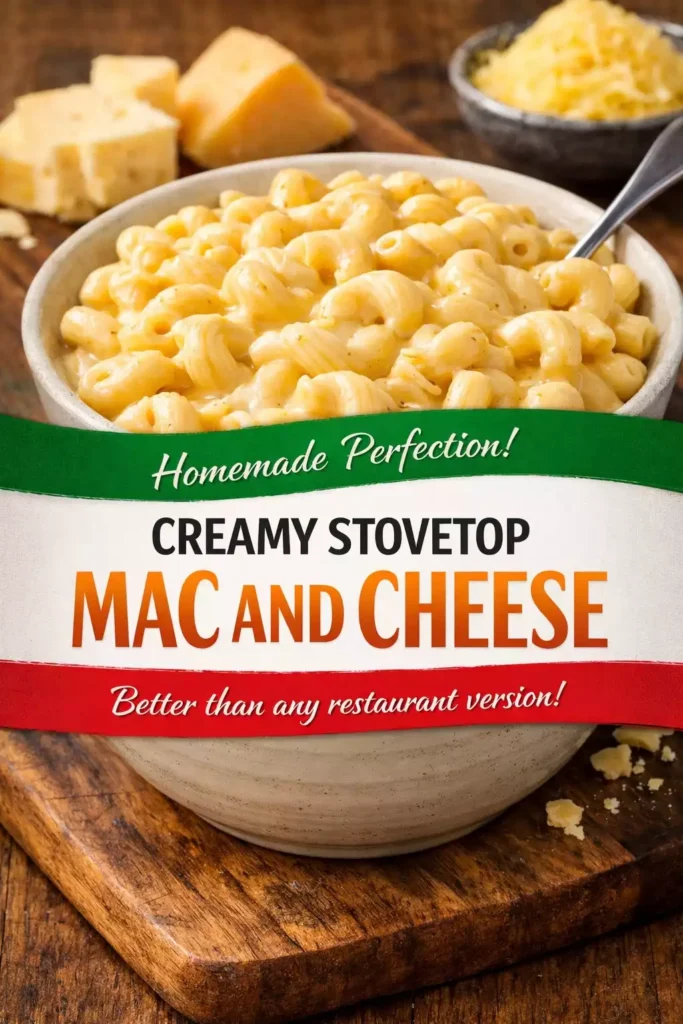
Creamy Stovetop Mac and Cheese
A proper roux-based cheese sauce built from block cheddar — creamy, coats every elbow, and comes together without a bag or a break.
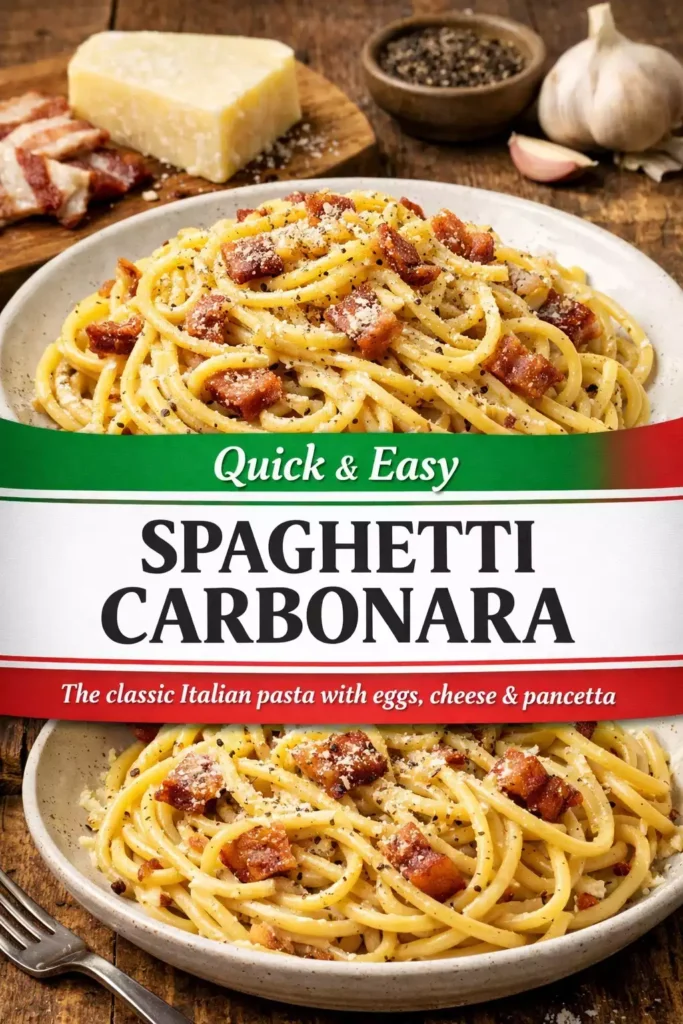
Easy Spaghetti Carbonara
Four ingredients, one technique, and a very specific sequence — get it right and you have the creamiest pasta in the canon. Get it wrong and you have scrambled eggs.
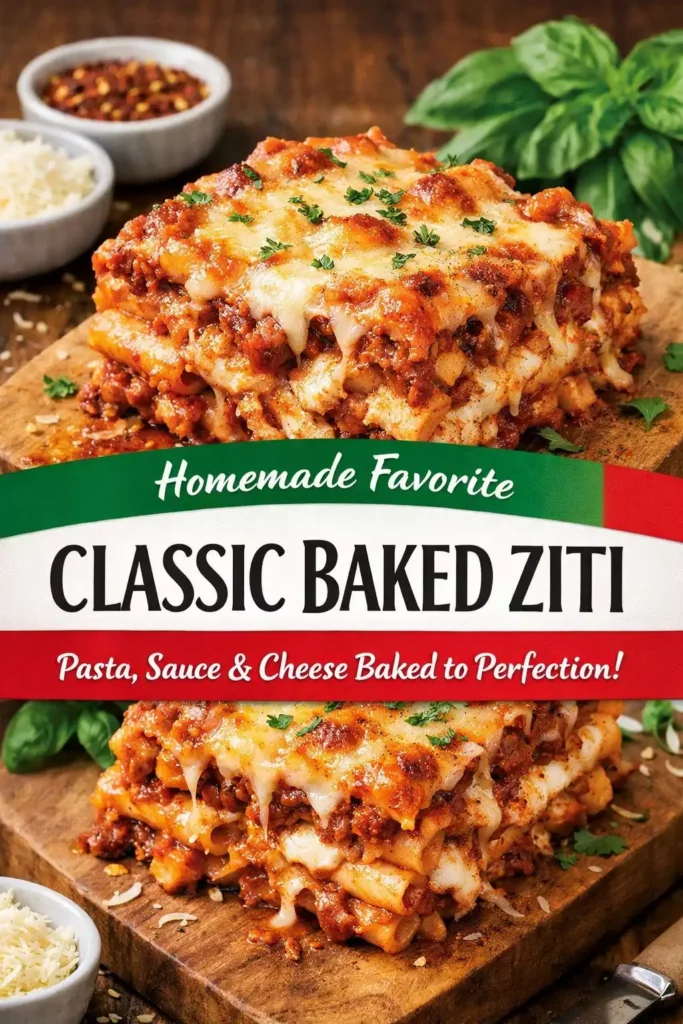
Classic Baked Ziti
The family-size pasta bake: ricotta, mozzarella, and a proper meat sauce layered into a 9×13 and baked until bubbling.
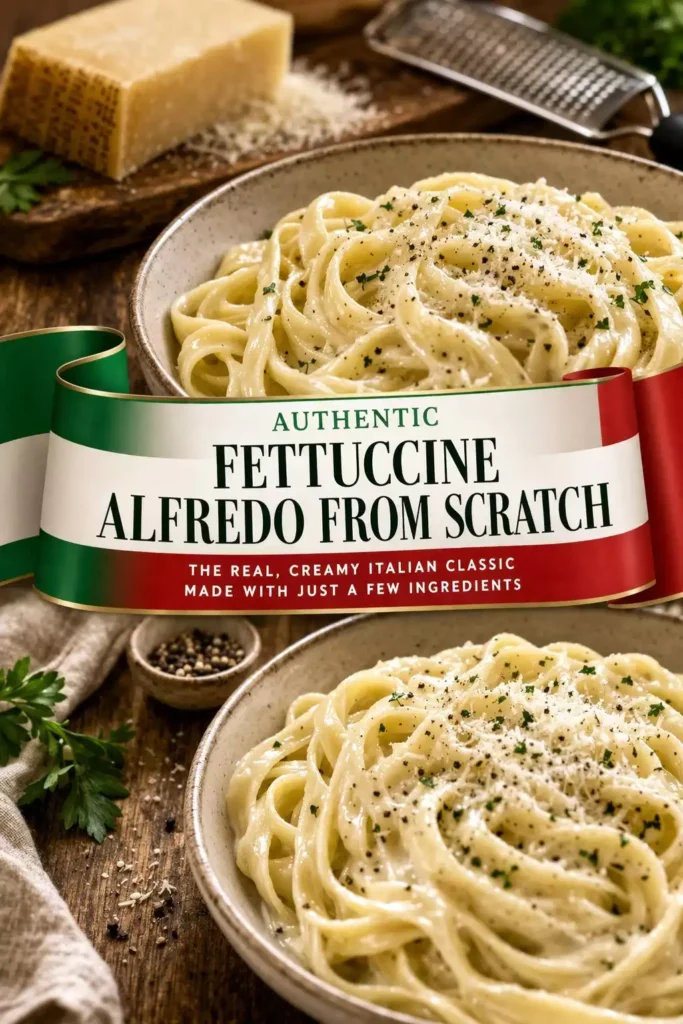
Fettuccine Alfredo from Scratch
Butter, Parmesan, starchy pasta water, and the right technique — that’s real Alfredo. No cream, no shortcuts, and an emulsified sauce that clings to every strand.
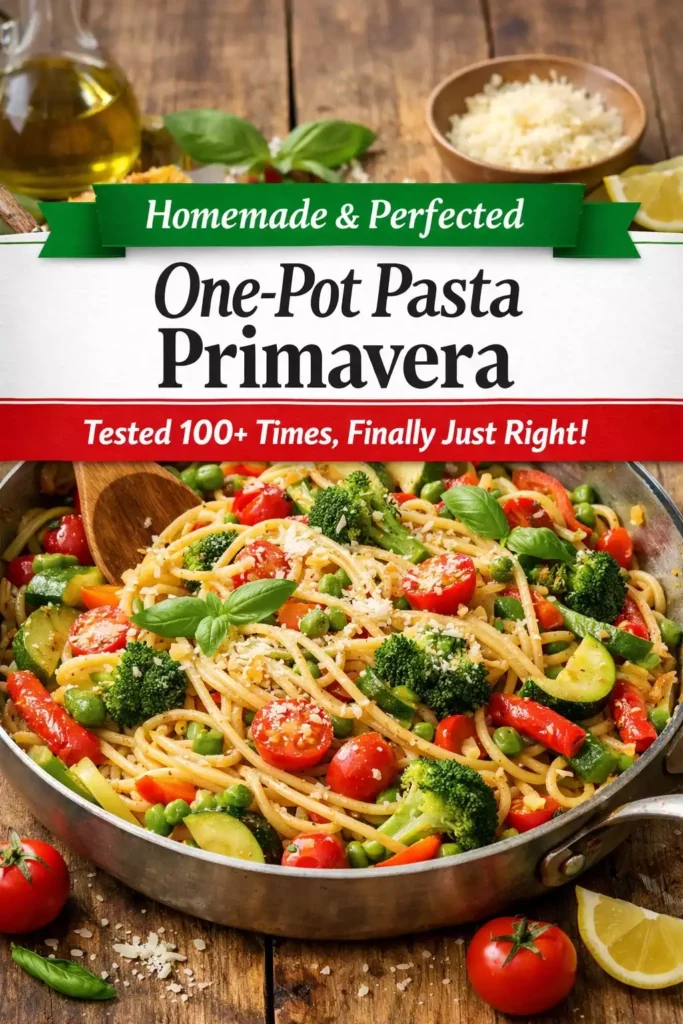
One-Pot Pasta Primavera
Pasta and vegetables cooked together in one pot — the pasta absorbs the broth and builds its own starchy, light sauce. A weeknight solution that doesn’t taste like a shortcut.
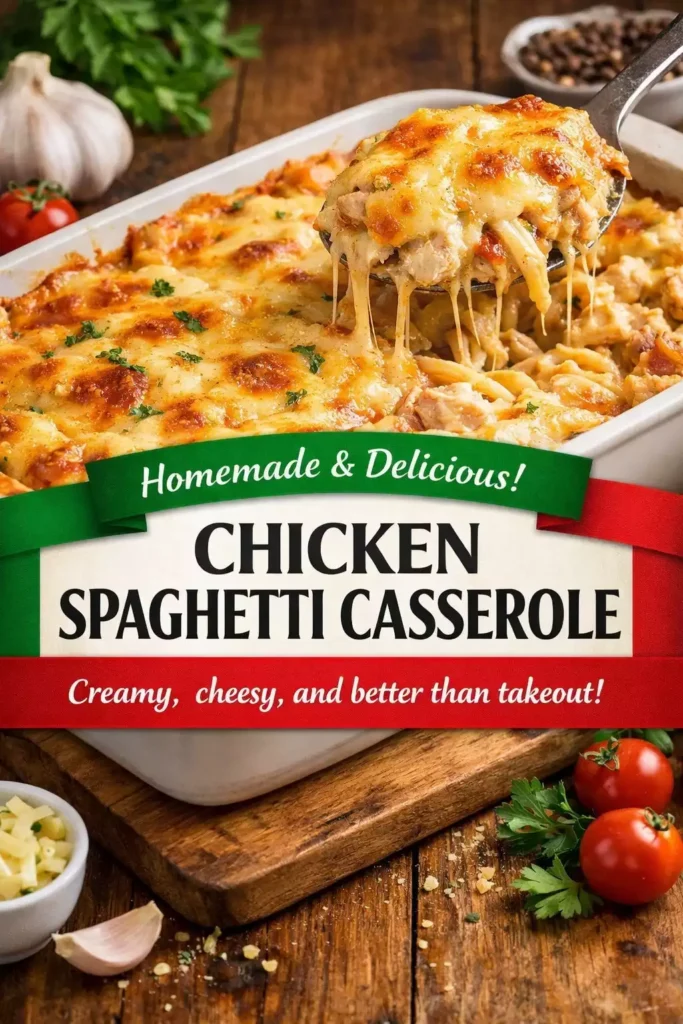
Chicken Spaghetti Casserole
Shredded chicken, spaghetti, and a richly seasoned cream sauce baked until golden — a classic that earns its place in any pasta lineup.
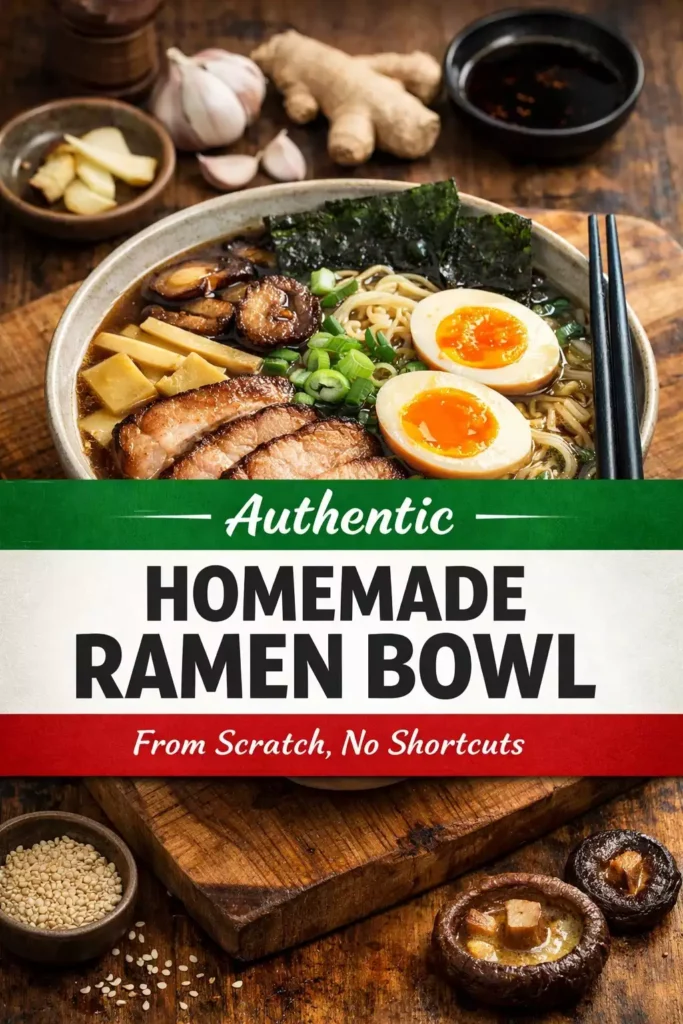
Homemade Ramen Bowl
A deeply flavored broth that takes time and rewards it — built from pork bones or chicken, seasoned properly, and finished with the right toppings.
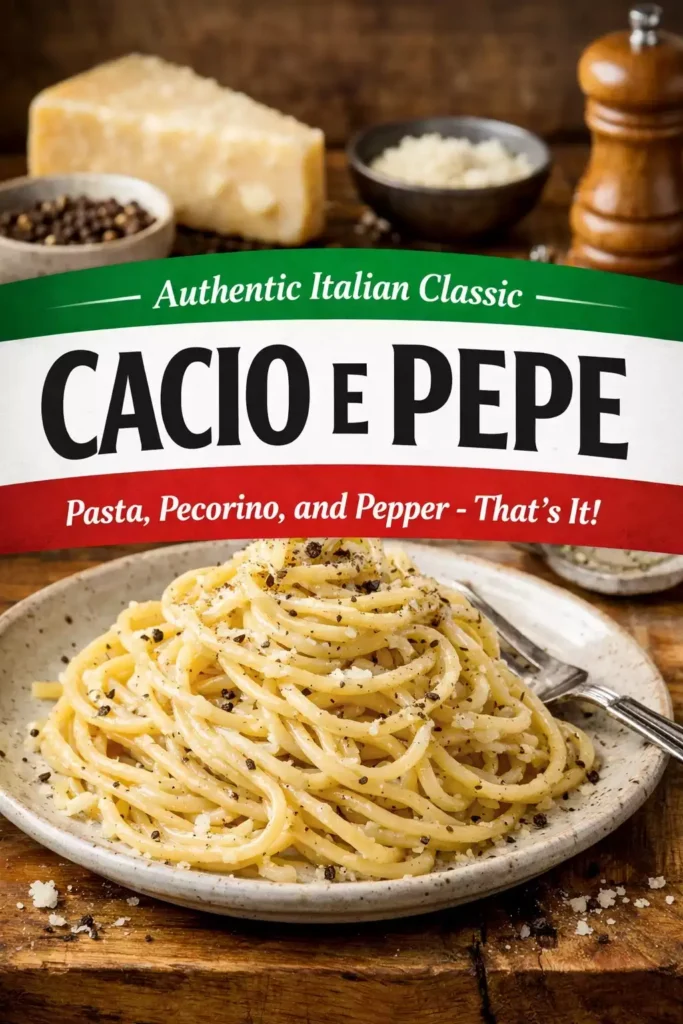
Cacio e Pepe
Two ingredients, one technique, zero room for shortcuts. Pecorino Romano, black pepper, and pasta water — this Roman classic separates those who understand emulsification from those who don’t.
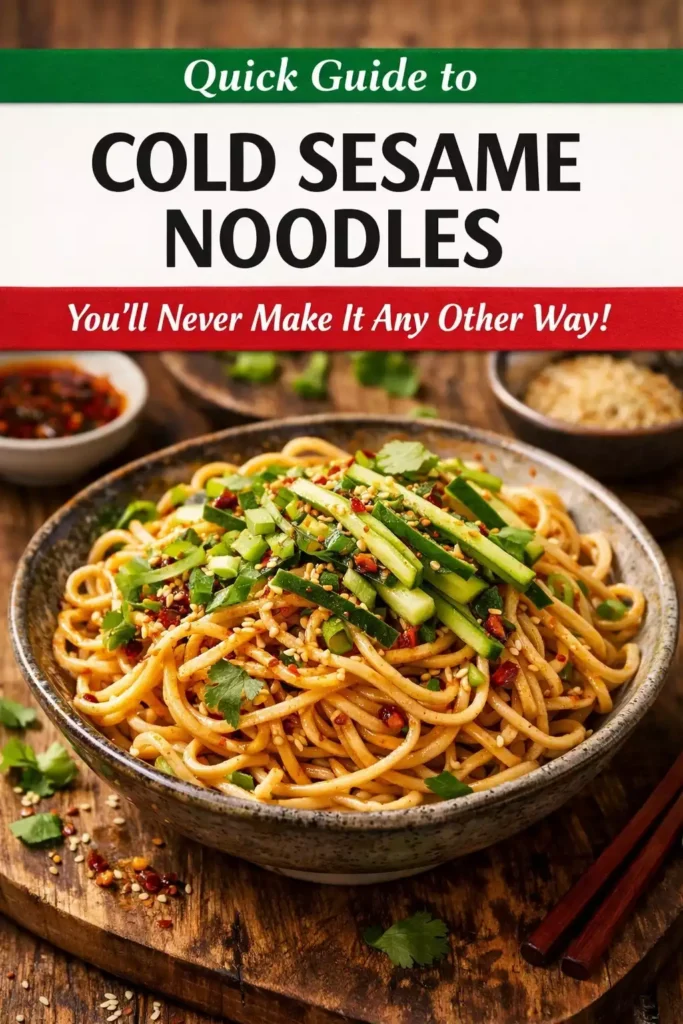
Cold Sesame Noodles
Chilled noodles in a sesame-peanut sauce with garlic, ginger, and just enough heat — a dish that gets better the longer it sits.
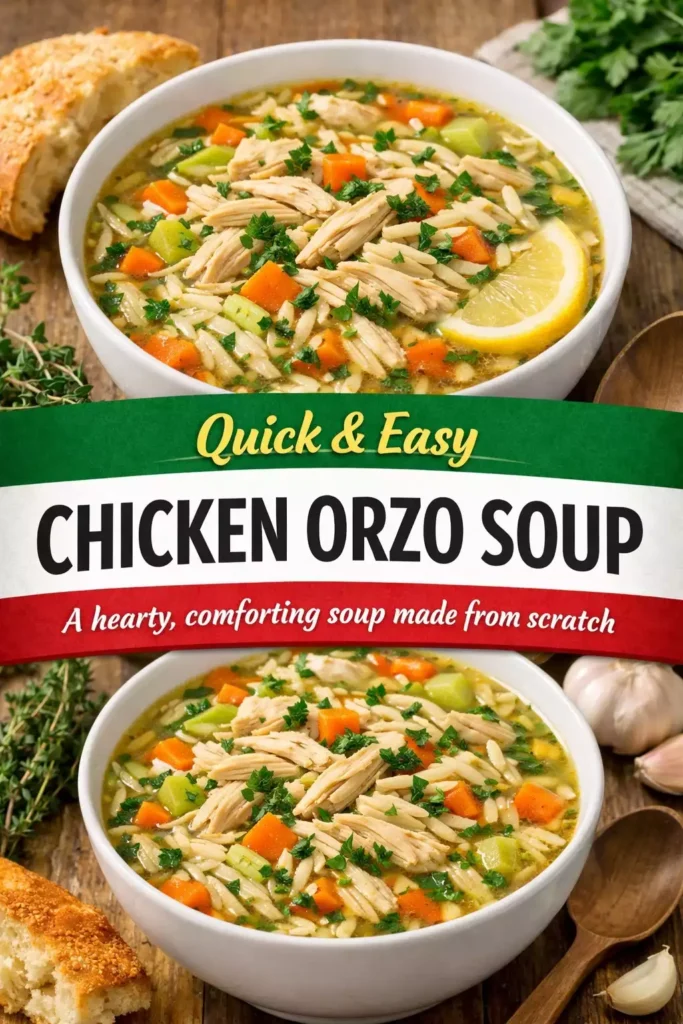
Chicken Orzo Soup
Orzo simmered directly in seasoned chicken broth with pulled chicken and vegetables — one pot, thirty minutes, and a bowl that fixes whatever the day did to you.
Where Most People Blow It
Salt the pasta water like you mean it. It should taste like mild seawater. Undersalted water produces pasta that tastes like cardboard no matter what sauce you put on it — and there’s nothing you can do after the fact.
Reserve pasta water before you drain. That starchy, salty water is the emulsifier that makes sauces cling and cohere. Scoop it out before you touch the drain. It’s gone once you don’t need it, but you can’t get it back once you do.
Finish pasta in the sauce, not in a colander. Pull the pasta 1-2 minutes early and transfer it directly into the sauce with tongs. It finishes cooking in the sauce and absorbs the flavor instead of sitting in water going soft.
Brown the meat — really brown it. Gray steamed ground beef produces a flat-tasting sauce. Deep browning produces real Maillard flavor. Don’t add liquid until the meat has actual color.
Low heat on long sauces. A Sunday gravy that runs at a hard simmer for two hours is not the same as one simmered low and slow. Piano piano — the heat difference is the whole flavor difference.
Frequently Asked Questions
How much pasta water should I save?
Save at least one full cup — more if you’re making carbonara or cacio e pepe, which use a lot. I keep a ladle in the pasta pot as a reminder. The water is gone the moment you drain and you can’t get it back.
Does the pasta shape really matter?
Yes. Ridged pasta holds chunky sauces. Thin pasta (spaghetti, linguine) works with oil-based and delicate sauces. Tubes are for baked pasta and thick, hearty sauces. Matching shape to sauce isn’t tradition for its own sake — it’s technique.
What makes a pasta recipes great?
The same thing that makes any pasta great: properly cooked pasta finished in the sauce, a sauce built from real technique, and seasoning that started with the pasta water and continues through every stage.
Can I make pasta dishes ahead?
Some, not all. Baked pasta improves overnight in the refrigerator. Cream-based stovetop pasta should be made and served immediately — it tightens up and doesn’t reheat the same way. Carbonara is strictly made and eaten.
All Recipes In This Collection
Best Homemade Lasagna Recipe
Creamy Stovetop Mac and Cheese
Easy Spaghetti Carbonara
Classic Baked Ziti
Fettuccine Alfredo from Scratch
One-Pot Pasta Primavera
Chicken Spaghetti Casserole
Homemade Ramen Bowl
Cacio e Pepe
Cold Sesame Noodles
Chicken Orzo Soup
Related collections: Chicken Recipes · Beef Recipes · Potato Recipes · Easy Dinner Recipes · Rice Recipes