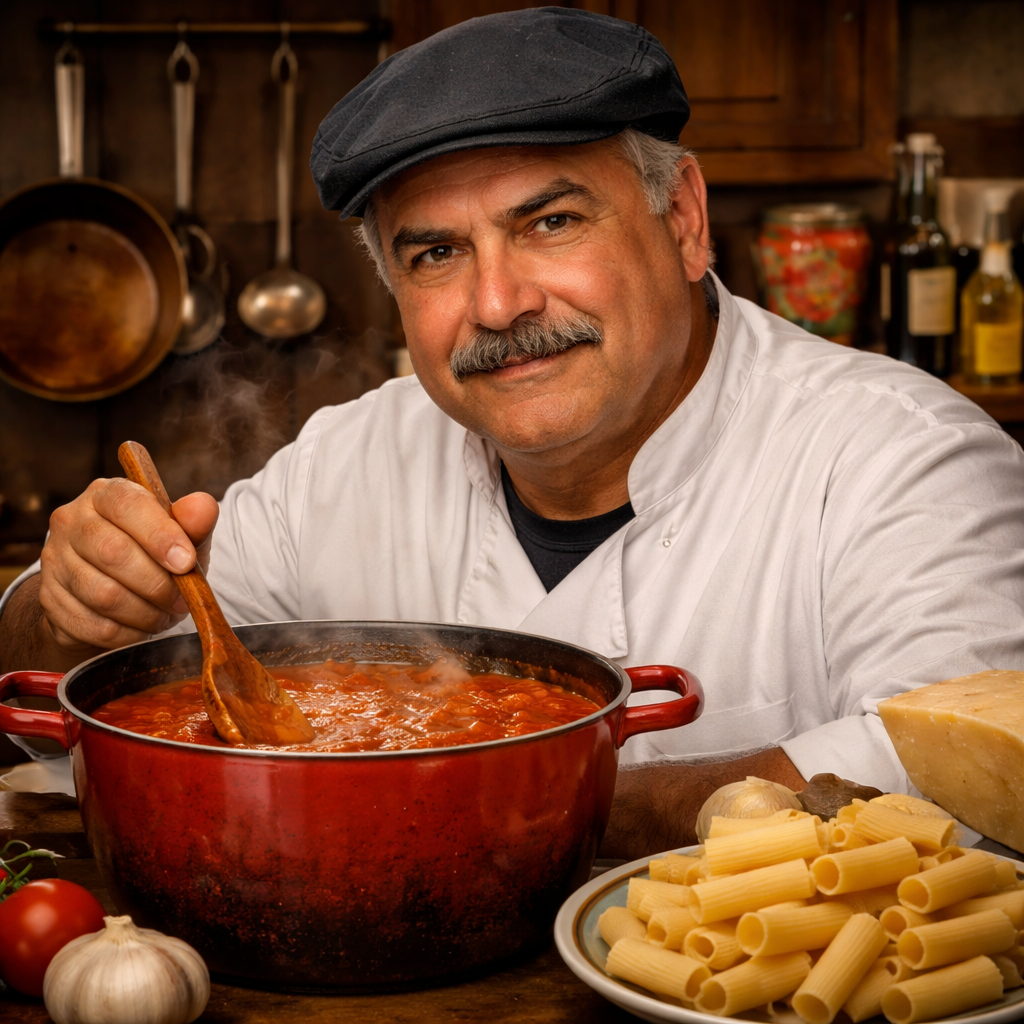
When I retired from the kitchen, this is what I kept cooking. Not the elaborate stock work, not the French mother sauces. This soup. Chicken Vegetable Soup made from real ingredients, built in the pot the right way, seasoned at every stage. It’s the soup I make when someone in the house is under the weather, when the temperature drops below forty, or when the week has been too long and the table needs something warm and honest and restorative. Every culture has their version of this soup. This one is mine.
Good chicken soup is not complicated food, but it is technical food in a way that most people don’t recognize. The difference between great chicken soup and mediocre chicken soup isn’t the quality of the chicken — it’s whether the aromatics were sweated properly, whether the soup was seasoned at the beginning AND at the end, whether the chicken was added raw and cooked in the broth (developing flavor the whole time) rather than added as leftover cooked chicken. These small things compound into a bowl that’s dramatically different from what you get out of a carton.
This is also, incidentally, one of the most efficient low-calorie meals you can make. A generous bowl with protein, vegetables, and broth comes in under 250 calories and fills you up completely. The notion that healthy food has to be unsatisfying was invented by people who didn’t know how to cook. This soup puts that notion in the ground.
Why This Recipe Works
- Starting from raw chicken in cold water — Adding chicken to cold water and bringing to a simmer together allows the proteins to slowly release their flavor and collagen into the broth, building a richer, more deeply flavored soup than adding chicken to already-boiling water.
- Sweating the aromatics first — Cooking onion, celery, and carrots in a small amount of oil before adding liquid softens them, builds a fond on the pot bottom, and develops sweet complexity that raw aromatics added directly to cold water can’t achieve.
- Adding vegetables in stages — Vegetables that take different amounts of time to cook are added in order: hard root vegetables first, softer vegetables last. Everything reaches the right texture at the same time rather than some being mushy while others are still raw.
- Generous seasoning throughout — Salt added at the beginning seasons the broth. Salt added at the end fine-tunes the finished soup. Soup that’s only seasoned once is invariably either oversalted or undersalted. Season in layers for control and precision.
Ingredients
For the Soup
- 1.5 pounds bone-in, skin-on chicken thighs
- 8 cups water or chicken broth
- 2 tablespoons olive oil
- 1 large onion, diced
- 3 celery stalks, sliced
- 3 medium carrots, sliced into rounds
- 4 garlic cloves, minced
- 2 cups green beans, cut into 1-inch pieces
- 1½ cups zucchini, diced
- 1 can (14 oz) diced tomatoes
- 2 bay leaves
- 1 teaspoon dried thyme
- 1 teaspoon dried Italian herbs
- 1½ teaspoons salt (start, then adjust)
- 1 teaspoon black pepper
- Fresh parsley, for serving
- Parmesan rind (optional but transformative)
Instructions
Step 1: Sweat the Aromatics
Heat olive oil in a large Dutch oven or stock pot over medium heat. Add diced onion, celery, and sliced carrots. Cook, stirring occasionally, for 8-10 minutes until softened and the onion is translucent. Add minced garlic and cook for another 2 minutes. This fond-building step is what separates a soup with depth from a soup that tastes like water with vegetables floating in it.
Step 2: Add Chicken and Liquid
Add chicken thighs skin-side down to the pot with the softened aromatics. Add water or broth, diced tomatoes, bay leaves, thyme, Italian herbs, salt, and pepper. If using a Parmesan rind, add it now — it will impart a subtle, savory depth as the soup simmers. Bring to a boil, then reduce heat to a gentle simmer. Skim off any foam that rises to the surface in the first 5-10 minutes.
Step 3: Simmer the Chicken
Simmer the soup for 30-35 minutes until the chicken is fully cooked through and beginning to pull away from the bone. Remove the chicken pieces and set aside to cool slightly. Remove the bay leaves and Parmesan rind. Once the chicken is cool enough to handle, remove and discard the skin and bones. Shred the meat into bite-sized pieces and return to the pot.
Step 4: Add the Remaining Vegetables
Bring the soup back to a simmer. Add green beans and cook for 5 minutes. Add diced zucchini and cook for another 5-7 minutes until all vegetables are tender but not mushy. Taste the broth and adjust salt and pepper — the soup may need more seasoning after the vegetables have diluted the broth slightly.
Step 5: Final Seasoning and Serve
Taste one final time before serving. The soup should have a rich, savory broth with gentle herb notes and a balanced, lightly seasoned flavor. Ladle into warm bowls and garnish with fresh parsley. Serve with crusty bread for the full experience, though the soup is substantial and satisfying on its own.
Tips & Common Mistakes
- Use bone-in chicken: The bones and skin release collagen and fat into the broth during the simmer, building a richer, fuller-bodied soup. Boneless chicken produces thinner, less flavorful broth. Remove the bones after cooking, not before.
- Add a Parmesan rind: Drop a piece of Parmesan rind into the broth during simmering. It dissolves slowly and adds a savory, slightly umami depth that makes the broth noticeably more complex. Save rinds in a bag in the freezer — they’re gold.
- Add vegetables in stages: All vegetables added at the same time will have some overcooked and some undercooked when the soup is done. Carrots and celery go in first; green beans in the last 10 minutes; zucchini in the last 5-7 minutes. Each vegetable arrives at the table with the right texture.
- Skim the foam: The grey foam that rises to the surface in the first 10 minutes of simmering is coagulated protein from the chicken bones. Skimming it off produces a clearer, cleaner-tasting broth. Skip this step and the broth can taste slightly muddy.
- Don’t rush the simmer: Thirty minutes of gentle simmering is what extracts the flavor from the chicken. Fifteen minutes produces underextracted broth. Patience builds the depth that makes this soup worth making from scratch.
Variations Worth Trying
- Add White Beans: Stir in a drained can of cannellini beans in the last 10 minutes. They add protein, body, and the creaminess of their starch into the broth. This is the Italian minestrone-adjacent version and it’s extraordinary.
- Add Orzo or Farro: Stir in ½ cup of orzo or farro in the last 10-12 minutes. It cooks directly in the soup and thickens it slightly. Makes the soup more substantial and filling for larger appetites.
- Lemon Herb Finish: Add 2 tablespoons of fresh lemon juice and a handful of chopped fresh dill or parsley at the very end. The lemon brightens the broth and the fresh herbs add fragrance. This finish transforms the soup from warming to vibrant.
- Slow Cooker Version: Sweat the aromatics first on the stovetop (don’t skip this step). Transfer everything to the slow cooker and cook on low for 6-8 hours. Shred the chicken and add the quick-cooking vegetables in the last hour on high.
For more comforting chicken soups and healthy lunches, try crockpot chicken soup, homemade chicken noodle soup, chicken tortilla soup, chicken lettuce wraps, and poached chicken salad.
Storage & Reheating
- Refrigerator: Store for up to 5 days. The soup actually improves overnight as the flavors meld. Skim any solidified fat from the surface before reheating.
- Freezer: Freeze for up to 3 months. Thaw overnight in the refrigerator. If the soup contains pasta or rice, expect the starch to absorb most of the broth — add fresh broth when reheating.
- Reheating: Warm in a pot over medium heat, stirring occasionally. Taste and adjust seasoning before serving — the flavors can concentrate or mellow during storage.
Frequently Asked Questions
Can I use rotisserie chicken?
Yes. Use the carcass of a rotisserie chicken to make a quick stock first (simmer in water with aromatics for 30-45 minutes, strain), then add shredded rotisserie meat at the end. This approach makes an excellent soup more quickly, though the broth from a raw chicken simmered from scratch has more depth.
Why is my soup broth watery?
Either the aromatics weren’t sweated properly, the chicken was boneless (less collagen), or the soup wasn’t simmered long enough. Add a Parmesan rind and simmer for 20 more minutes. Or reduce 1-2 cups of the broth in a separate pan before adding back — concentration is the fastest fix for thin broth.
Can I make this vegetarian?
Yes. Replace the chicken with two cans of white beans and use vegetable broth. The beans provide protein and body. Add extra garlic, a Parmesan rind, and fresh herbs for depth. Still excellent — just a different dish.
How do I keep the vegetables from getting mushy over multiple days?
Add zucchini and green beans fresh each time you serve, cooking them directly in the reheated soup base for 5-7 minutes. Only the base (broth, chicken, onion, carrots, celery) stores well. Soft vegetables lose their texture after 24 hours. Staging the additions maintains the right texture throughout the week.