Don’t rush this. Good food doesn’t have a timer. Steak Fajitas is a dish where every cook thinks they already know the recipe and most of them are shortcutting the part that matters most. The marinade isn’t a seasoning — it’s a tenderizer that needs time. The peppers and onions aren’t sauteed — they’re charred, and that char is the flavor. The tortillas aren’t microwaved in a bag — they’re warmed over open flame, and the difference is the entire experience of eating a fajita versus eating a disappointing wrap.
Steak fajitas are a Tex-Mex original — born in the kitchens and backyards of South Texas with skirt steak as the protein. The name fajita literally refers to the skirt steak cut (faja = sash or belt in Spanish). Everything that came after — the sizzling cast-iron platter, the tableside drama, the bell peppers and onions — was built around getting the most out of a cheap, tough, flavorful cut with a quick, high-heat technique. This recipe respects that origin.
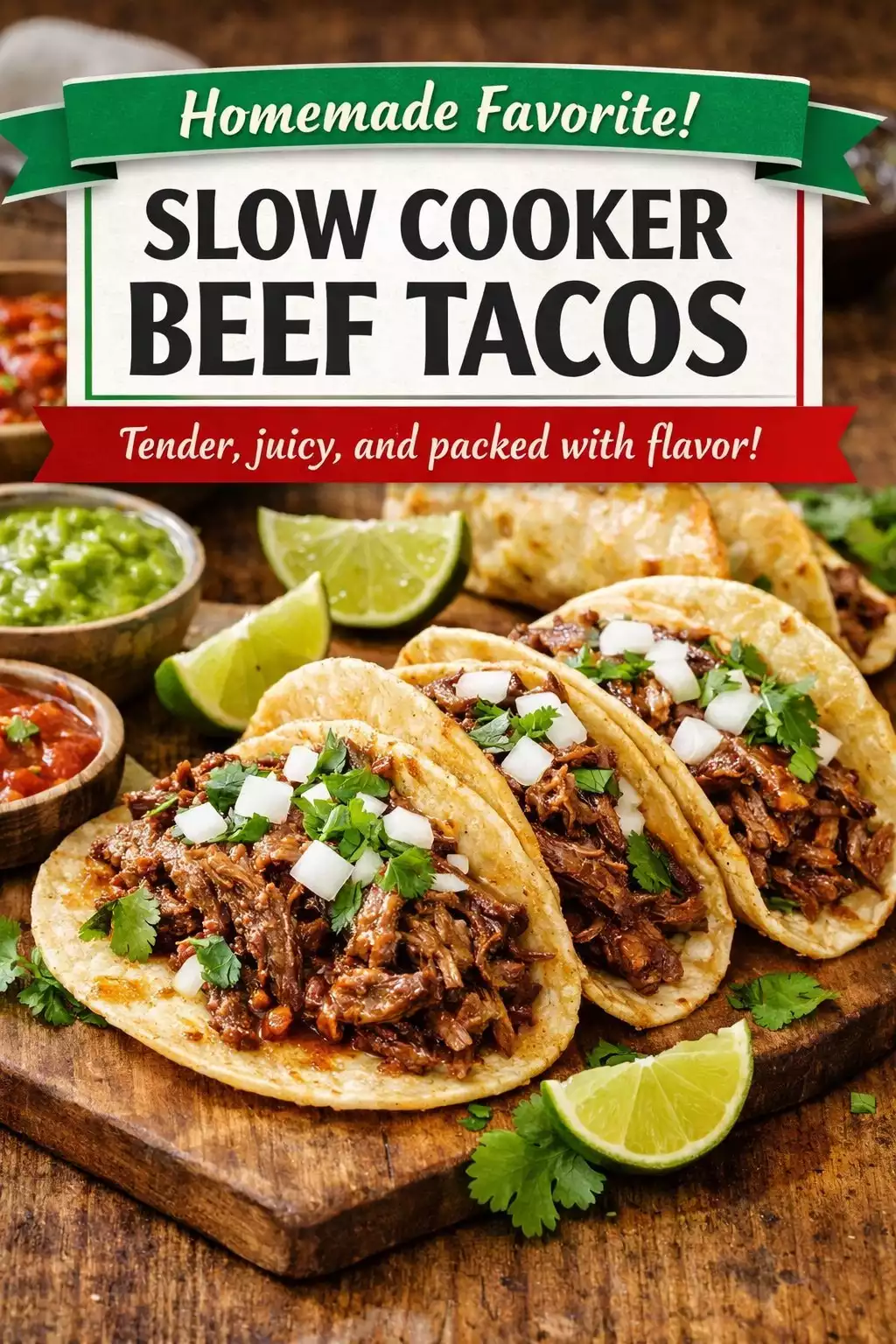
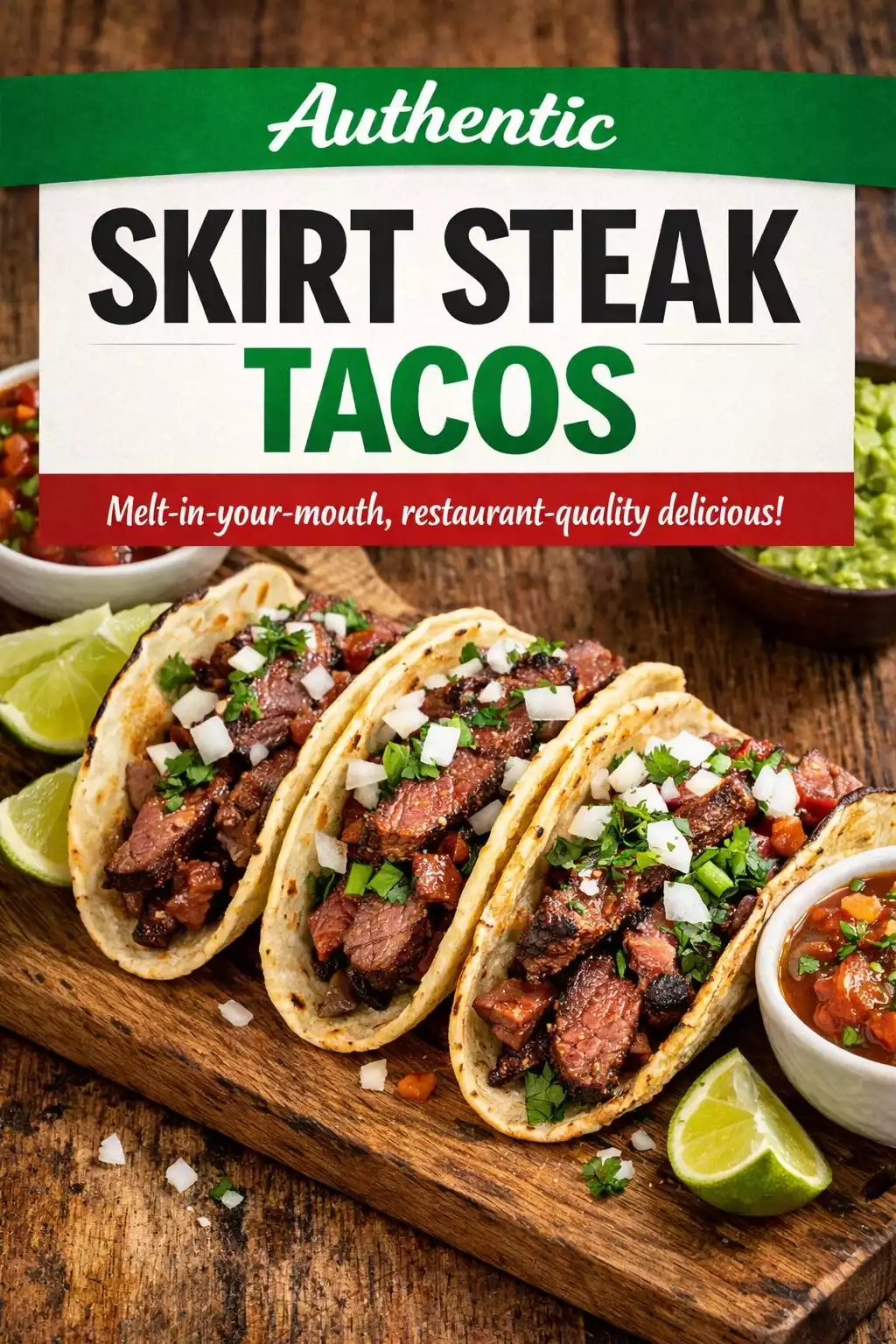
For the standalone skirt steak technique, see skirt steak tacos. For slow-cooked beef taco options, check slow cooker beef tacos and slow cooker barbacoa. And the classic beef tacos round out the taco family.
Why This Works
- Skirt steak over chicken: Chicken fajitas are a fine thing. But the original steak fajita uses skirt for its fat content, intense flavor, and quick cooking time. The charred fat against the citrus marinade is why steak fajitas developed their reputation.
- Char on the peppers and onions: Fajita vegetables aren’t supposed to be soft and cooked through. They’re supposed to have char on the outside while remaining slightly firm. That char is the flavor note that distinguishes restaurant fajitas from homemade.
- The sizzle is a presentation technique: Serving in a screaming-hot cast-iron skillet creates the dramatic sizzle. Add a small amount of butter to the hot pan and place everything in right before serving. The sound and steam are part of the experience.
- Separate cooking for each element: Cooking the steak and the vegetables together in one pan drops the temperature and produces steam instead of char. Cook them separately, combine only for service.
Ingredients
For the Steak
- 1.5 lbs skirt steak (or flank steak)
- Juice of 2 limes
- Juice of 1 orange
- 3 tablespoons olive oil
- 4 cloves garlic, minced
- 2 teaspoons cumin
- 1 teaspoon chili powder
- 1 teaspoon smoked paprika
- ½ teaspoon oregano
- Salt and black pepper
For the Peppers and Onions
- 2 bell peppers (red, yellow, or a mix), sliced
- 1 large red onion, sliced into half-rings
- 2 tablespoons olive oil
- Salt and pepper
- Optional: sliced jalapeño for heat
For Serving
- Warm flour or corn tortillas
- Sour cream, guacamole, or pico de gallo
- Shredded cheddar or Monterey Jack
- Lime wedges
- Fresh cilantro
Instructions
Step 1: Marinate the Steak
Mix marinade ingredients together. Score the skirt steak lightly if it’s very thick. Place in a bag or shallow dish, pour marinade over. Refrigerate 2-6 hours (not more — citrus marinades over-tenderize). Remove 30 minutes before cooking and pat dry before hitting the heat.
Step 2: Char the Vegetables
Heat a cast-iron skillet or grill pan over high heat until very hot. Add oil. Add peppers and onions in a single layer — resist the urge to stir immediately. Let them sit for 2-3 minutes to char on the bottom. Then toss and char the other sides for another 2 minutes. They should have dark char marks, be slightly softened, but still have some bite. Season with salt and pepper. Remove to a plate.
Step 3: Grill or Sear the Steak
Using the same pan or a grill at highest heat, cook the skirt steak 2-3 minutes per side for medium-rare. No moving, no pressing. Let the sear happen. The steak should have significant char on the exterior. Rest on a cutting board 5 minutes.
Step 4: Slice the Steak
Identify the grain of the skirt steak and slice thin against the grain at a 45-degree angle. The slices should be about ¼-inch wide and clearly show the pink interior against the charred exterior. This is what a perfect fajita steak looks like.
Step 5: Sizzle and Serve
For the full fajita experience: return the cast-iron skillet to high heat. Add a teaspoon of butter. Place the sliced steak and vegetables back in the pan. It will sizzle dramatically. Bring it to the table immediately. Set up tortillas and toppings and let everyone build their own. The drama is part of the dish.
Tips & Common Mistakes
- Don’t skip the char on vegetables: Lightly sauteed bell peppers and onions are good. Charred fajita vegetables are exceptional. The char is the defining flavor element. High heat, don’t stir too soon.
- Use a two-zone grill setup: If grilling, create a hot direct zone and a cooler indirect zone. Sear the steak on high, move vegetables to a slightly cooler area. Both get properly cooked without either being compromised.
- Warm flour tortillas properly: Flour tortillas directly over a gas flame for 20-30 seconds per side develop slight char spots and become pliable. Microwaved tortillas are steamed and soft — functional but not excellent.
- Build the fajita correctly: Steak first, then vegetables, then a light layer of toppings. Let each component have presence. Don’t drown the steak in sour cream.
- Mise en place before the heat: Fajitas come together in 15 minutes of cooking. Have everything prepped and ready before turning on the stove. This is not a recipe where stopping to prep something mid-cook works.
Variations Worth Trying
- Chicken fajitas: The same marinade, same technique, chicken thighs instead of skirt steak. Cook to 165°F. A slightly different experience but the method transfers perfectly.
- Shrimp fajitas: Marinate large shrimp for 30 minutes only (not hours — acid cooks shrimp). Same high-heat technique, 2 minutes per side. Fast, flavorful, different from the beef version.
- Vegetarian fajitas: Use portobello mushrooms, zucchini, and extra bell peppers with the same marinade. Grill or char the same way. The mushrooms provide a meaty texture and absorb the marinade beautifully.
- Elote topping: Serve with Mexican street corn-style topping — corn off the cob mixed with mayo, cotija, chili powder, and lime. A cross-cultural combination that works remarkably well.
- Full Tex-Mex spread: Pair with classic beef tacos and skirt steak tacos for a range of steak taco preparations at the same meal.
Storage & Reheating
- Refrigerator: Store steak and vegetables separately in airtight containers for up to 3 days. Combined, they lose their individual textures. Keep separate until reheating.
- Freezer: Raw marinated skirt steak freezes well for up to 3 months. Cooked components freeze less well — the vegetables go mushy. Freeze raw, cook fresh for best results.
- Reheating: Reheat steak slices in a hot skillet for 1 minute, toss in vegetables for another minute. Add a squeeze of lime to refresh the flavors. Serve in warmed tortillas immediately. This is a dish that benefits from being freshly assembled.
Frequently Asked Questions
Flour or corn tortillas for fajitas?
Traditionally, Tex-Mex fajitas use flour tortillas — the larger, more pliable flour tortilla holds the heavier filling better than corn. But corn tortillas are authentic for street tacos and work perfectly with the same filling. Use what you prefer. Flour is the traditional fajita choice.
How many fajitas does this serve?
With 1.5 lbs of skirt steak and 2 bell peppers, this serves 4-6 people generously (assuming 2-3 fajitas per person). Scale up proportionally for larger groups — double the steak and vegetables for 8-10 people. The grill or two pans handle the larger volume.
Can this be made without a grill?
Yes — a screaming-hot cast-iron skillet on the highest burner setting produces excellent steak fajitas indoors. Use the exhaust fan, open windows. The indoor sear creates significant smoke. The result is nearly identical to grilling. The sizzle presentation at the table is easier to manage indoors anyway.
Why does restaurant fajita steak taste different from homemade?
Restaurant sizzle platters use cast iron that’s been kept at 500°F+ in a commercial oven. The extreme heat creates instant char and sizzle that home equipment can replicate but takes more effort. The real difference is usually the marinade — commercial operations marinate overnight in larger quantities, developing more flavor. A longer home marinade (8-12 hours) closes most of the gap.
What’s the best way to keep fajitas warm for a party?
Keep the steak and vegetables in a low oven (200°F) in covered pans. Warm tortillas in a stack wrapped in foil in the same oven. For the sizzle effect, heat a cast-iron skillet on the stovetop and transfer the filling to the hot pan tableside right before serving. For other crowd-serving beef options, see slow cooker barbacoa.