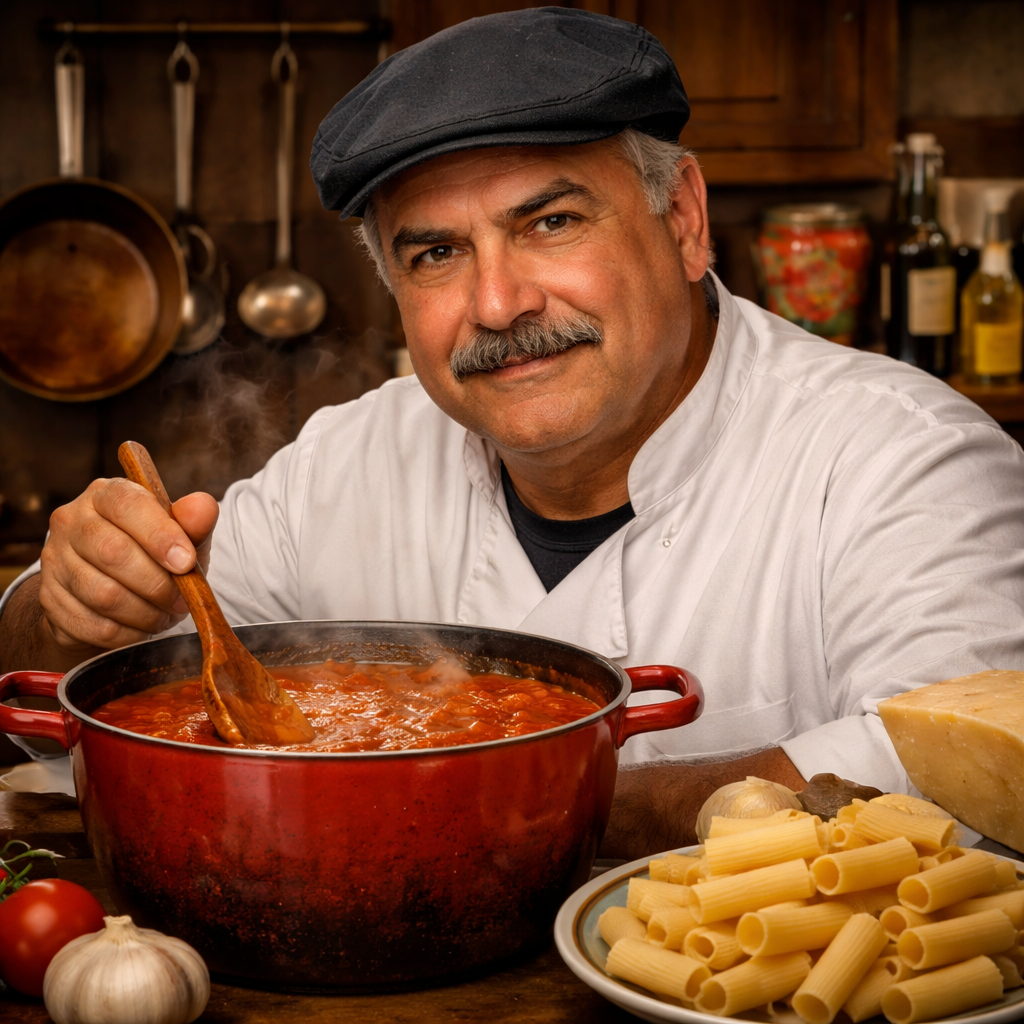
Ascolta — listen to me. Stovetop mac and cheese done right is one of the most satisfying things you can put on a table, and almost nobody makes it correctly at home. They use the wrong cheese, they rush the sauce, or they dump it over overcooked pasta that’s been sitting in a colander going gummy. My family has been making this creamy stovetop mac and cheese for decades, and the version I’m giving you here is the one that actually works — not the Pinterest fantasy with six specialty cheeses and truffle oil. Real food, done right.
The whole game is the cheese sauce. It has to be smooth, it has to coat properly, and it has to stay creamy all the way to the table. That means understanding the roux, the milk temperature, and — most importantly — which cheeses melt without breaking. I’ll tell you exactly what to use and exactly how to do it.
This is what I throw together on a Tuesday when the family needs something real and nobody has time for a production. Twenty-five minutes, one pot, and it’s better than anything that ever came out of a box. Put this in your rotation. You’ll thank me.
Why This Recipe Works
The enemy of creamy stovetop mac and cheese is a broken sauce — that grainy, greasy mess you get when the cheese is added too hot or too fast. The fix is a proper béchamel base: butter, flour, and warm milk first, fully cooked and thickened, before a single piece of cheese goes in. That stable base gives the cheese something to hold onto instead of seizing up or separating into grease pools.
The second thing that matters is the cheese blend. Sharp cheddar alone can go grainy at high heat. Cut it with a high-moisture melting cheese — American, Gruyère, or Fontina — and you get that smooth, pull-apart texture that makes the best creamy stovetop mac and cheese so satisfying. Grated yourself from the block. Not the bag. Never the bag.
Ingredients
The Pasta
- 1 lb elbow macaroni (or cavatappi for more surface area)
- Kosher salt for pasta water
The Cheese Sauce
- 4 tbsp unsalted butter
- ¼ cup all-purpose flour
- 3 cups whole milk, warmed
- 1 cup heavy cream
- 2 cups sharp cheddar, freshly grated (block, not pre-shredded)
- 1 cup American cheese or Gruyère, freshly grated
- ½ tsp dry mustard powder
- ½ tsp garlic powder
- ¼ tsp cayenne pepper
- 1 tsp kosher salt, plus more to taste
- ½ tsp white pepper
How to Make It
1 Cook the Pasta to Just Shy of Done
Bring a large pot of heavily salted water to a rolling boil. Cook the macaroni for 1 minute less than the package directions — it finishes in the sauce and will continue absorbing liquid. Drain and set aside. Do not rinse. Rinsing strips the starch that helps the sauce cling.
2 Build the Roux
In the same pot over medium heat, melt the butter. Once it’s foaming, add the flour all at once and whisk constantly for 2 full minutes. This cooks out the raw flour taste — a step most people skip, and then wonder why their sauce tastes chalky. The roux should turn a light golden color and smell slightly nutty. That’s when it’s ready.
3 Add the Milk and Cream — Warm, Not Cold
Add the warm milk and cream to the roux slowly, whisking constantly to prevent lumps. Cold liquid added too fast will seize the roux. Add it in three additions, fully incorporating each before adding more. Once all the liquid is in, bring the sauce to a gentle simmer over medium heat, whisking frequently, until it thickens enough to coat the back of a spoon — about 5 to 7 minutes.
4 Add the Cheese Off the Heat
Pull the pot off the burner completely. Add the dry mustard, garlic powder, cayenne, salt, and white pepper. Stir. Then add the grated cheese in two or three additions, stirring each addition until fully melted before adding the next. Adding cheese to a still-boiling sauce is how it breaks — the proteins seize and you get grainy mush. Off the heat, slow additions, smooth result.
5 Fold in the Pasta and Serve Immediately
Return the pot to low heat. Add the drained pasta to the cheese sauce and fold gently until every piece is coated. If the sauce is too thick, add a splash of warm milk and stir. Taste for salt. Serve immediately — stovetop mac and cheese tightens up as it cools and doesn’t reheat the same way. This is a dish you make and serve right now.
Where Most People Blow It
Pre-shredded cheese will break your sauce. The anti-caking agents coating the shreds prevent smooth melting. Buy blocks, grate them yourself. It’s an extra five minutes and it’s the difference between silky and grainy.
Never add cheese to a boiling sauce. Take the pot off the heat first. Heat is the enemy of emulsified cheese — too high and the proteins seize, the fat breaks out, and you’ve got a greasy mess with no fix.
The roux needs two full minutes of cooking. You can smell when it’s ready — the raw flour smell disappears and a nutty aroma takes over. If you rush this, your sauce will taste like paste.
Warm your milk before adding it. Cold milk into a hot roux causes lumps. Thirty seconds in the microwave is all it takes.
Don’t overcook the pasta. It finishes in the sauce. If you boil it all the way to done before adding it, you’ll end up with mush. Pull it 1 minute early, every time.
Serve it the moment it’s done. Stovetop mac and cheese is not a make-ahead dish. The sauce tightens, the pasta absorbs, and what was perfect at 6:15 is a stiff brick by 7:00. Call everyone to the table first, then make this.
What Goes on the Table With Creamy Stovetop Mac and Cheese
This is a rich, heavy dish — balance it with something bright. A simple green salad with sharp vinaigrette cuts through the fat. Roasted broccoli or steamed green beans alongside. If it’s a weeknight family dinner, a side of sliced tomatoes with salt and olive oil is enough.
If you want to build out a pasta spread, the fettuccine alfredo recipe and the cacio e pepe are in the same creamy, rich lane — worth knowing for a crowd. The homemade lasagna recipe is the move when you have more time and want to make a real statement at the table.
Variations Worth Trying
Smoked Gouda and Bacon. Swap half the cheddar for smoked Gouda and fold in crispy crumbled bacon before serving. Smoky, rich, and gone in four minutes at any table.
Spicy Jalapeño Version. Add two seeded diced jalapeños sautéed in butter before making the roux, and increase the cayenne to ½ teaspoon. Sharp, creamy, with real heat that builds slowly.
Baked Crust Finish. Transfer the finished mac to a buttered baking dish, top with buttered breadcrumbs and extra grated cheddar, and broil for 4 to 5 minutes until the top is golden and crispy. Two dishes, ten extra minutes, a completely different eating experience.
White Mac (No Cheddar). Use Gruyère, Fontina, and a little Parmigiano-Reggiano instead of cheddar. Nuttier, more sophisticated, and pairs beautifully with a crisp white wine if you’re making this for adults.
Storage and Reheating
Leftovers keep refrigerated for up to 3 days in an airtight container. The sauce will firm up considerably as it cools. To reheat: add a splash of milk or cream to the container, then warm gently on the stovetop over low heat, stirring frequently until the sauce loosens and becomes creamy again. A microwave works but stir every 30 seconds and add liquid — dry reheating produces a stiff, unpleasant result.
Freezing is not recommended. Cheese sauces don’t survive the freeze-thaw cycle cleanly — the emulsion breaks and you get a greasy, separated sauce with no fix. Make what you’ll eat.
FAQ
Why does my mac and cheese sauce turn grainy?
Two causes: cheese added to a sauce that’s still boiling, or pre-shredded cheese with anti-caking agents. Fix both by pulling the pot off the heat before adding cheese and grating it fresh from the block. A small amount of sodium citrate (found in specialty stores) can also help stabilize the emulsion if you have persistent problems.
Can I use different pasta shapes?
Yes. Elbows are classic for a reason — the curved interior catches sauce. Cavatappi (corkscrew) holds even more. Shells work well too. Avoid long pasta like spaghetti or fettuccine — this is a short pasta sauce and the proportions don’t translate.
What’s the best cheese for stovetop mac and cheese?
Sharp cheddar for flavor, combined with a high-moisture melting cheese for smoothness. American cheese is the professional kitchen workhorse — it contains emulsifying salts that keep the sauce stable. Gruyère adds nuttiness. Fontina melts like a dream. Avoid aged or hard cheeses as the primary melt — Parmigiano-Reggiano and aged Pecorino are for finishing, not for sauce bases.
Can I make this ahead of time?
Not really. Stovetop mac and cheese is a serve-immediately dish. You can make the cheese sauce ahead and refrigerate it, then reheat it gently before cooking the pasta fresh. But assembling and holding it will produce a stiff, over-absorbed result. For a make-ahead version, go the baked route — assemble, refrigerate, and bake when needed.