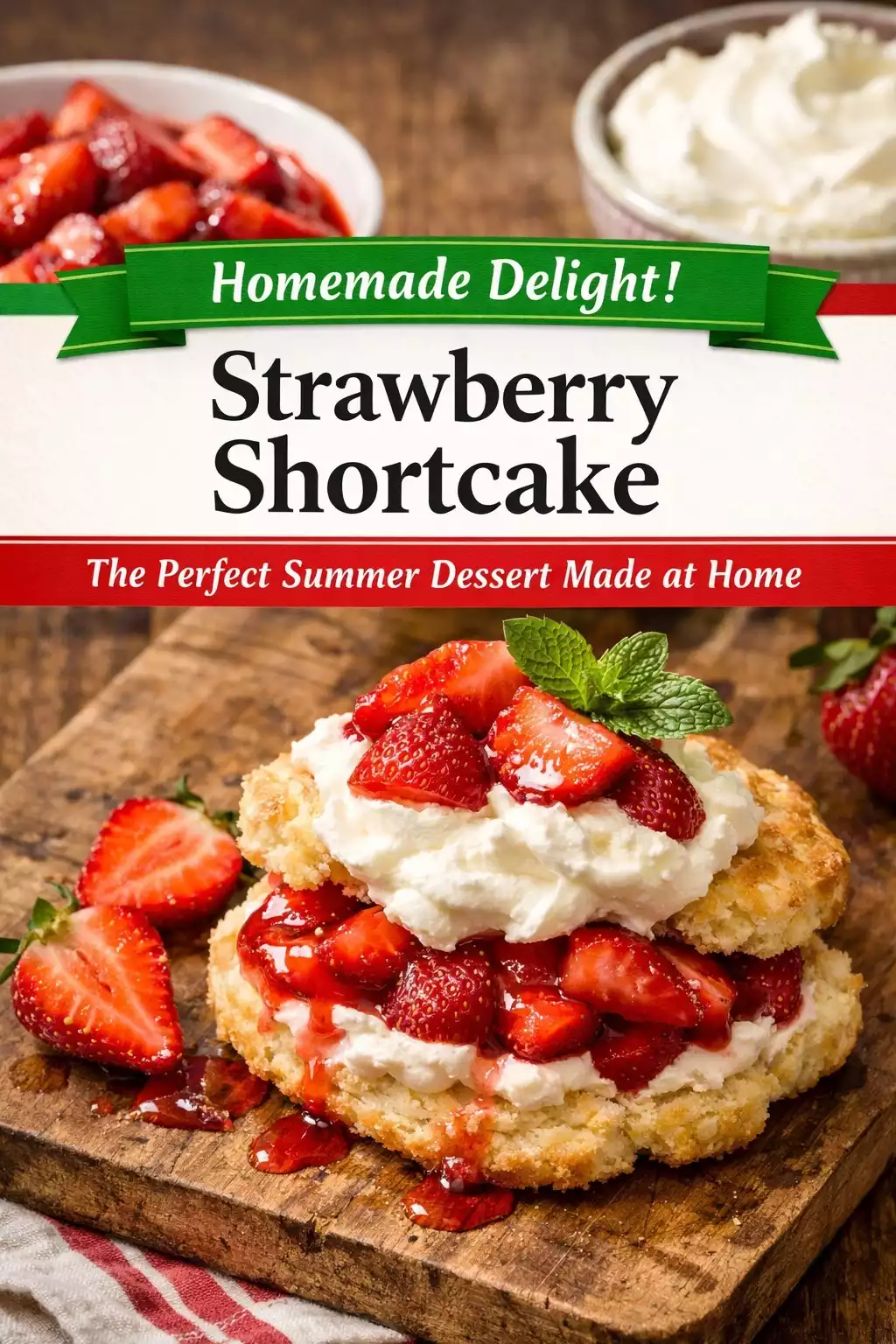
Every bite should remind you of somebody’s kitchen. Strawberry shortcake — real strawberry shortcake, not the sponge cake version from the grocery store freezer section — is one of the purest summer desserts in American baking. Sweetened, macerated strawberries that have been sitting long enough to produce their own syrup. Biscuit-style shortcake that’s buttery and slightly crumbly, not cakey and dry. Freshly whipped cream, cold and airy, folded in at the last minute.
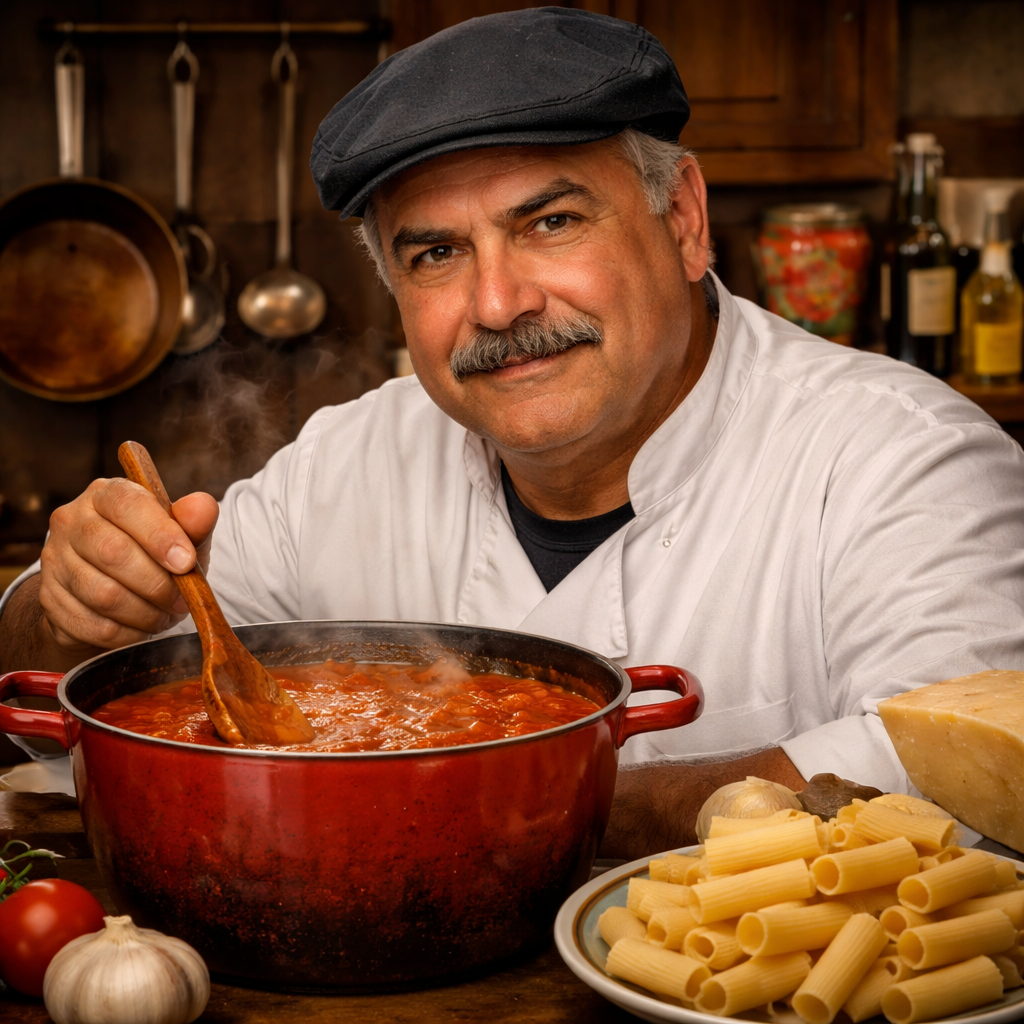
Marco doesn’t bake often, but when he does, it’s worth it. Strawberry shortcake is the version his family actually requests — not the Pinterest fantasy with eight steps and a crumb coat. The real version. Macerated strawberries, drop biscuit shortcakes, fresh cream. Done correctly, it takes 45 minutes from start to table and it’s the best thing on any dessert spread it appears at.
The biscuit is the move most people get wrong. It should be slightly tender, slightly crumbly, with a golden crust and a soft interior that absorbs the strawberry syrup when the fruit is spooned over it. That absorption is the thing. That’s what makes it more than a biscuit with berries on top.
Why This Recipe Works
The strawberries are macerated — tossed with sugar and left to sit for at least 30 minutes. The sugar draws moisture out of the berries through osmosis, creating a crimson, fragrant syrup that becomes part of the dessert. Macerated strawberries taste more intensely of strawberry than fresh ones because the juice concentrating process amplifies the flavor. Don’t skip the waiting time.
The shortcake biscuit uses cold butter worked into the flour with the same technique as a pie crust or crisp topping. The cold fat coats the flour, creates steam pockets during baking, and produces the layered, flaky structure that distinguishes a shortcake biscuit from a dense scone. Room temperature or melted butter produces a different, less interesting result.
Ingredients
The Macerated Strawberries
- 2 lbs fresh strawberries, hulled and sliced
- ¼ cup granulated sugar
- 1 tsp pure vanilla extract
- 1 tbsp fresh lemon juice
The Shortcake Biscuits
- 2 cups (240g) all-purpose flour
- 3 tbsp granulated sugar
- 1 tbsp baking powder
- ½ tsp kosher salt
- ½ cup (113g) cold unsalted butter, cut into cubes
- ¾ cup cold heavy cream or buttermilk, plus more for brushing
- 2 tbsp granulated sugar for topping
The Whipped Cream
- 2 cups (480ml) cold heavy whipping cream
- 3 tbsp powdered sugar
- 1 tsp vanilla extract
How to Make It
1
1 Macerate the Strawberries
Hull and slice the strawberries and toss with the granulated sugar, vanilla, and lemon juice in a bowl. Let them sit at room temperature for at least 30 minutes, stirring once or twice. The sugar will draw out a crimson, fragrant syrup — the juice becomes part of the dessert. Taste and adjust sweetness. The strawberries should taste bright and concentrated, not bland. If they’re under-sweet, add another tablespoon of sugar. Refrigerate until assembly.
2
2 Make the Shortcake Biscuits
Preheat oven to 425°F. Whisk together the flour, sugar, baking powder, and salt. Add the cold butter cubes and work with your fingertips or a pastry cutter until the mixture resembles coarse crumbs with pea-sized butter pieces. Add the cold cream and stir with a fork until just combined — the dough should be shaggy and slightly sticky. Don’t overwork. Drop in 6 to 8 equal mounds on a parchment-lined baking sheet. Brush the tops with cream and sprinkle with sugar. Bake at 425°F for 13 to 16 minutes until golden and cooked through. Cool for 10 minutes before splitting.
3
3 Whip the Cream
Beat the cold heavy cream, powdered sugar, and vanilla extract on medium-high speed until firm peaks form. The cream should hold its shape but still be glossy and smooth — not grainy or buttery. Refrigerate until assembly.
4
4 Split the Biscuits
Use a fork to split each warm biscuit horizontally, creating a slightly rough, rustic break rather than a clean cut. The rough surface grips the cream and absorbs the strawberry syrup better than a clean knife cut. If the biscuits have cooled completely, a light warming in a 300°F oven for 5 minutes brings them back to the right temperature for assembly.
5
5 Assemble and Serve Immediately
Place the bottom half of each biscuit in a bowl or on a plate. Spoon a generous amount of macerated strawberries and syrup over the bottom half. Add a large dollop of whipped cream. Place the top half of the biscuit, slightly askew so the layers are visible. Add another spoonful of berries and syrup over the top. A final cloud of whipped cream if you want to be generous. Serve immediately — the biscuit absorbs the syrup quickly and the cream softens fast. This is not a make-ahead assembly.
Where Most People Blow It
Not macerating the strawberries long enough. 30 minutes is the minimum; 1 to 2 hours is better. The syrup is the crucial element that transforms plain strawberries into something worth layering into a dessert. Without the rest time, you have berries on a biscuit. With it, you have strawberry shortcake.
Warm butter in the biscuit dough. Cold butter makes flaky, tender biscuits. Warm butter makes dense, tight ones. Keep everything cold until the dough goes in the oven.
Over-mixing the biscuit dough. Mix until just combined — a shaggy, slightly rough dough is correct. Smooth dough has over-developed gluten and produces tough biscuits.
Assembling too far in advance. Once the berries and cream hit the biscuit, the clock is running. Assemble right before serving. The components can all be prepared ahead; the assembly is the last-minute move.
Under-ripe strawberries. Out-of-season or under-ripe berries are pale, watery, and sour. This dessert cannot rescue bad strawberries. Use the best, ripest, most fragrant berries available — peak-season local strawberries if possible.
Over-whipping the cream. Grainy, chunky whipped cream is on the way to butter. Watch it in the last minute and stop at firm-but-smooth peaks.
What Goes on the Table With Strawberry Shortcake
The Macerated Strawberries
- 2 lbs fresh strawberries, hulled and sliced
- ¼ cup granulated sugar
- 1 tsp pure vanilla extract
- 1 tbsp fresh lemon juice
The Shortcake Biscuits
- 2 cups (240g) all-purpose flour
- 3 tbsp granulated sugar
- 1 tbsp baking powder
- ½ tsp kosher salt
- ½ cup (113g) cold unsalted butter, cut into cubes
- ¾ cup cold heavy cream or buttermilk, plus more for brushing
- 2 tbsp granulated sugar for topping
The Whipped Cream
- 2 cups (480ml) cold heavy whipping cream
- 3 tbsp powdered sugar
- 1 tsp vanilla extract
1 Macerate the Strawberries
Hull and slice the strawberries and toss with the granulated sugar, vanilla, and lemon juice in a bowl. Let them sit at room temperature for at least 30 minutes, stirring once or twice. The sugar will draw out a crimson, fragrant syrup — the juice becomes part of the dessert. Taste and adjust sweetness. The strawberries should taste bright and concentrated, not bland. If they’re under-sweet, add another tablespoon of sugar. Refrigerate until assembly.
2 Make the Shortcake Biscuits
Preheat oven to 425°F. Whisk together the flour, sugar, baking powder, and salt. Add the cold butter cubes and work with your fingertips or a pastry cutter until the mixture resembles coarse crumbs with pea-sized butter pieces. Add the cold cream and stir with a fork until just combined — the dough should be shaggy and slightly sticky. Don’t overwork. Drop in 6 to 8 equal mounds on a parchment-lined baking sheet. Brush the tops with cream and sprinkle with sugar. Bake at 425°F for 13 to 16 minutes until golden and cooked through. Cool for 10 minutes before splitting.
3 Whip the Cream
Beat the cold heavy cream, powdered sugar, and vanilla extract on medium-high speed until firm peaks form. The cream should hold its shape but still be glossy and smooth — not grainy or buttery. Refrigerate until assembly.
4 Split the Biscuits
Use a fork to split each warm biscuit horizontally, creating a slightly rough, rustic break rather than a clean cut. The rough surface grips the cream and absorbs the strawberry syrup better than a clean knife cut. If the biscuits have cooled completely, a light warming in a 300°F oven for 5 minutes brings them back to the right temperature for assembly.
5 Assemble and Serve Immediately
Place the bottom half of each biscuit in a bowl or on a plate. Spoon a generous amount of macerated strawberries and syrup over the bottom half. Add a large dollop of whipped cream. Place the top half of the biscuit, slightly askew so the layers are visible. Add another spoonful of berries and syrup over the top. A final cloud of whipped cream if you want to be generous. Serve immediately — the biscuit absorbs the syrup quickly and the cream softens fast. This is not a make-ahead assembly.
Where Most People Blow It
Not macerating the strawberries long enough. 30 minutes is the minimum; 1 to 2 hours is better. The syrup is the crucial element that transforms plain strawberries into something worth layering into a dessert. Without the rest time, you have berries on a biscuit. With it, you have strawberry shortcake.
Warm butter in the biscuit dough. Cold butter makes flaky, tender biscuits. Warm butter makes dense, tight ones. Keep everything cold until the dough goes in the oven.
Over-mixing the biscuit dough. Mix until just combined — a shaggy, slightly rough dough is correct. Smooth dough has over-developed gluten and produces tough biscuits.
Assembling too far in advance. Once the berries and cream hit the biscuit, the clock is running. Assemble right before serving. The components can all be prepared ahead; the assembly is the last-minute move.
Under-ripe strawberries. Out-of-season or under-ripe berries are pale, watery, and sour. This dessert cannot rescue bad strawberries. Use the best, ripest, most fragrant berries available — peak-season local strawberries if possible.
Over-whipping the cream. Grainy, chunky whipped cream is on the way to butter. Watch it in the last minute and stop at firm-but-smooth peaks.
This is self-contained — it needs nothing alongside it except someone to eat it with. Iced tea for a summer afternoon version. A glass of sparkling rosé for a dinner party dessert. The shortcake is casual and generous; it works in any context where fresh summer fruit is the right note to end on.
For other seasonal fruit desserts, the southern peach cobbler is the summer counterpart with a biscuit topping. The apple crisp is the fall transition. For other baked desserts year-round, the classic chocolate chip cookies, best snickerdoodles, and easy fudgy brownies round out the rotation.
Variations Worth Trying
Mixed Berry Shortcake. Use a combination of strawberries, blueberries, raspberries, and blackberries. Macerate together with the same sugar and vanilla ratio. The mixed berry version is more visually dramatic and the flavor is more complex.
Lemon Cream Version. Add 2 tablespoons of lemon curd to the whipped cream and fold gently until just swirled. The lemon curd cream against the macerated strawberries is exceptional. A more sophisticated version for a dinner party.
Pound Cake Shortcake. Use sliced pound cake instead of biscuits. The classic pound cake makes an excellent base — slice, toast lightly, and top with macerated strawberries and cream. A more refined, more elegant presentation that’s also faster since the cake can be made days ahead.
Peach Version. Replace the strawberries with fresh peaches, sliced and macerated with brown sugar and bourbon. A Southern summer variation that’s as good as any dessert at a July 4th table.
Storage
All three components can be prepared and stored separately. Macerated strawberries: refrigerate up to 2 days (they continue to soften and release syrup, which is not a problem). Baked shortcakes: room temperature in an airtight container up to 2 days, or freeze for up to 3 months. Whipped cream: refrigerate up to 24 hours (it may need a quick re-whip before serving if it’s settled). Assemble only when ready to eat.
FAQ
What’s the difference between a shortcake and a regular biscuit?
Shortcake uses more butter and more sugar than a savory biscuit, producing a richer, slightly more tender result with a crumb that’s designed to absorb the berry syrup without falling apart. A regular biscuit would work in a pinch; it just produces a more neutral, less rich base. The extra butter and sugar in shortcake are functional.
Can I use frozen strawberries?
Yes, in the off-season. Thaw completely and drain some of the excess liquid before macerating — frozen strawberries release more water than fresh as they thaw. The flavor is good, particularly for berries that were frozen at peak ripeness. Not identical to fresh peak-season berries, but a legitimate option when fresh aren’t available.
Can I make the biscuits ahead and freeze them?
Yes. Bake, cool completely, and freeze individually wrapped. Reheat at 325°F for 10 to 12 minutes directly from frozen until warm through. They come back very well from freezing. An excellent make-ahead approach for a party where you want the biscuits done but not sitting out softening at room temperature.
Can I use store-bought biscuits?
Technically yes, but the flavor and texture aren’t comparable. Store-bought refrigerator biscuits have a different fat composition and flavor. If time is the constraint, a store-bought pound cake sliced and lightly toasted is a better base than a refrigerator biscuit. The pound cake has the right richness and density for this application.