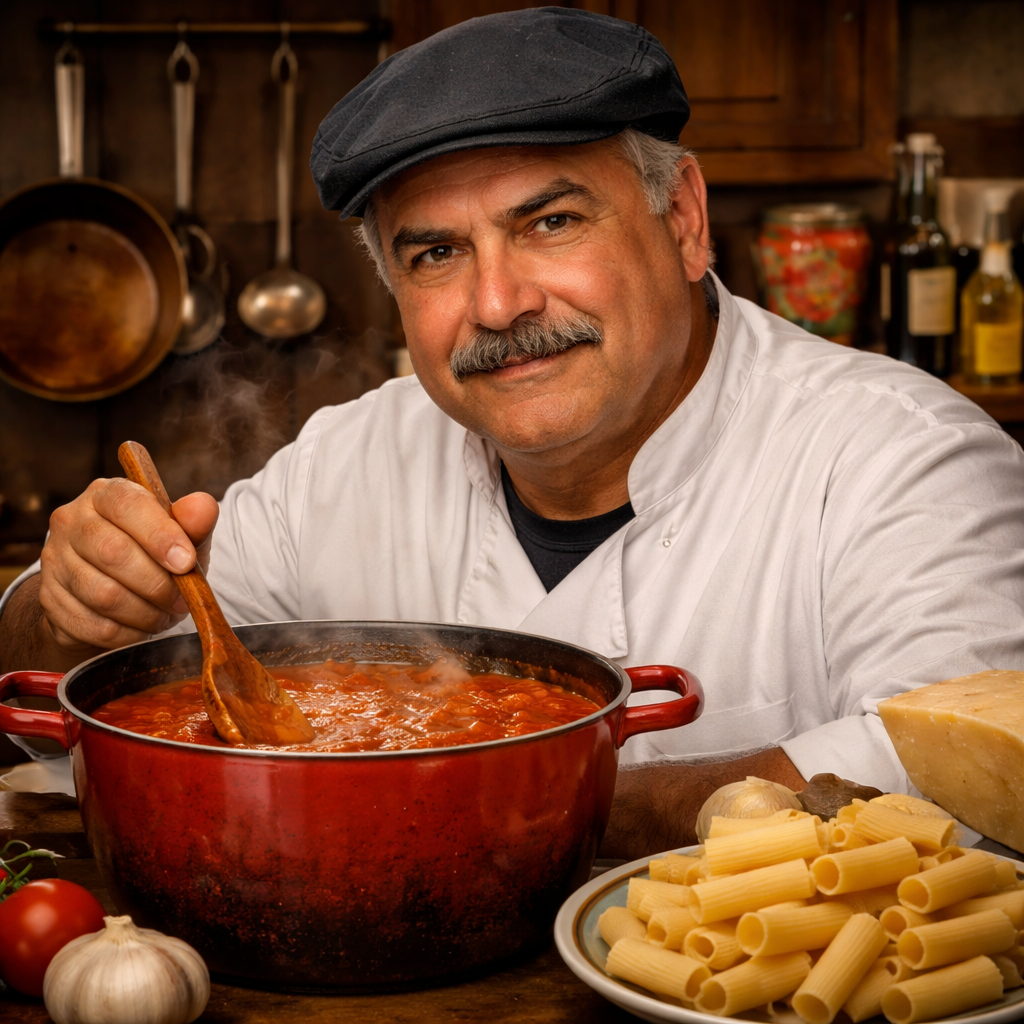
When I retired from the kitchen, this is what I kept cooking. Miso Glazed Salmon Tacos — because the combination of fermented miso against rich salmon against cool, crisp slaw inside a charred tortilla is one of those things that just makes sense the first time you taste it. It doesn’t need to be explained. It just works. And once you make it, you’ll understand why my family fights over the last one every single time.
The miso glaze is where everything starts. White miso (shiro miso) is the mildest variety — slightly sweet, deeply umami, and not overpoweringly salty. Combined with mirin, sake or rice vinegar, and a touch of honey, it caramelizes beautifully against the salmon under a hot broiler in 8 minutes or less. The result is salmon with a lacquered, slightly sticky exterior and a silky, just-cooked interior that’s the opposite of the dry, overcooked salmon most people grew up eating.
Build the taco around that salmon. An avocado crema provides richness and cool contrast. A simple slaw adds crunch and acidity. Fresh ginger and scallion cut through the umami depth. Every element is doing something necessary.
Why These Miso Glazed Salmon Tacos Work
- White miso for the glaze: White miso (shiro) is sweeter and less salty than red miso. It caramelizes beautifully under a broiler without burning or overpowering the salmon.
- Broil, don’t bake: The intense direct heat of the broiler caramelizes the miso glaze in 6–8 minutes without drying out the salmon. Baking at lower temps takes longer and loses the lacquered surface.
- Avocado crema instead of plain guacamole: Blending avocado with lime, cilantro, and Greek yogurt creates a smooth, spreadable sauce that coats the taco evenly and doesn’t slide out on the first bite.
- Pickled slaw: The acidity from the slaw is critical — it cuts the richness of both the miso glaze and the avocado crema and makes the taco feel balanced rather than heavy.
Ingredients
For the Miso Glazed Salmon
- 1½ lbs salmon fillets (skin on, cut into 3-4 oz portions)
- 3 tbsp white miso paste
- 2 tbsp mirin
- 1 tbsp sake or rice vinegar
- 1 tbsp honey
- 1 tsp soy sauce
- 1 tsp sesame oil
For the Avocado Crema
- 2 ripe avocados
- 2 tbsp Greek yogurt or sour cream
- 2 tbsp fresh lime juice
- 1 clove garlic, minced
- 2 tbsp fresh cilantro
- ½ tsp salt
- 2–3 tbsp water to thin
For the Quick Slaw
- 2 cups purple cabbage, very finely shredded
- 1 tbsp rice vinegar
- 1 tsp sesame oil
- 1 tsp honey
- Pinch of salt
For Assembly
- 8 small corn tortillas
- Pickled ginger (optional but excellent)
- Sliced scallions
- Sesame seeds
- Sriracha for serving
- Lime wedges
Instructions
Step 1: Marinate the Salmon
Whisk together white miso, mirin, sake (or rice vinegar), honey, soy sauce, and sesame oil until smooth. Taste — it should be sweet, savory, and deeply umami. Place salmon portions in a shallow dish and spoon the marinade over, coating all surfaces. Cover and refrigerate for at least 30 minutes. One to two hours produces a noticeably deeper flavor. Don’t marinate longer than 4 hours — the salt in the miso begins to cure the salmon and changes the texture.
Step 2: Make the Avocado Crema
Blend avocado, Greek yogurt, lime juice, garlic, and cilantro until completely smooth. Add water one tablespoon at a time until the crema flows easily from a spoon. Season with salt. Cover with plastic wrap pressed directly against the surface to prevent browning. Refrigerate until needed. This keeps well for several hours in the fridge.
Step 3: Make the Slaw
Shred purple cabbage as fine as possible. Combine rice vinegar, sesame oil, and honey. Toss with cabbage and salt. Let sit for at least 10 minutes — the cabbage softens slightly and the flavors develop. Taste and adjust acidity. The slaw should be tangy, lightly sweet, and crunchy. Refrigerate until assembly.
Step 4: Broil the Salmon
Position an oven rack 4–5 inches below the broiler. Line a baking sheet with foil and lightly oil. Place salmon skin-side down on the prepared pan. Broil on HIGH for 6–8 minutes without flipping. Watch closely — the glaze should caramelize and char slightly at the edges, but the center should remain slightly translucent and just flaking. Overcooked salmon is dry and falls apart instead of holding together in the taco. Remove and let rest 2 minutes.
Step 5: Char Tortillas and Assemble
Char corn tortillas directly over a gas flame, 20–30 seconds per side until blistered and slightly smoky. Spread avocado crema down the center. Add a portion of salmon (use a fork to break it into large, natural flakes). Top with slaw, scallions, pickled ginger if using, and sesame seeds. Squeeze lime. Add sriracha if desired. Serve immediately.
Tips & Common Mistakes
- Watch the broiler closely: Miso contains sugars that caramelize and then burn quickly under direct heat. Don’t walk away during broiling. The window between perfectly lacquered and burnt is about 90 seconds.
- Skin on during cooking: The skin protects the bottom of the salmon from the pan heat during broiling. Remove it when serving or leave it — it peels off easily after cooking.
- Don’t over-flake the salmon: Break the cooked salmon into large, natural chunks rather than fine flakes. Large pieces provide better texture and visual presence in the taco.
- Corn tortillas for this one: The light, slightly earthy flavor of corn tortillas complements the Japanese flavors better than flour tortillas, which can taste too rich against the miso glaze.
Variations
- Miso-glazed tuna: Use ahi tuna instead of salmon. Sear on a very hot grill 1–2 minutes per side, leaving the center raw. Slice and use the same taco assembly.
- Miso shrimp tacos: Marinate large shrimp in the same miso mixture for 15 minutes. Pan-sear in a very hot pan 2 minutes per side. Same assembly, faster cooking.
- Spicy miso version: Add 1 tsp gochujang or 1 tsp chili paste to the miso marinade. Adds Korean-Japanese heat that works beautifully with the salmon richness.
- Bowl format: Skip tortillas and serve miso salmon over steamed rice with slaw, avocado crema, and toppings for a poke bowl-adjacent format. Excellent with pickled cucumbers.
For more fusion dishes built on Asian technique: Korean BBQ tacos, kimchi fried rice burrito, banh mi burger, butter chicken flatbread pizza, and katsu sando. Each one applies focused technique to a fusion concept that actually works.
Storage & Reheating
- Cooked salmon: Keeps refrigerated for up to 2 days. Excellent cold, flaked over a salad or rice bowl.
- Reheating: Reheat salmon in a 300°F oven for 5–6 minutes. Avoid microwave — it makes salmon rubbery and intensifies the fish smell.
- Avocado crema: Best consumed same day. Press plastic wrap directly onto the surface to minimize oxidation.
- Slaw: Keeps refrigerated for up to 2 days. Gets more tender over time — best with a little crunch still remaining on day one.
Frequently Asked Questions
Where do I find white miso paste?
Most large grocery stores carry it in the international aisle or refrigerated section. Asian grocery stores will have more options and better prices. Look for shiro miso or white miso — it’s the lightest and sweetest variety. Red or mixed miso (awase) is too strong for this glaze.
Can I use frozen salmon?
Yes — thaw completely in the refrigerator overnight. Pat very dry before marinating. Frozen-then-thawed salmon has slightly more moisture than fresh; extra drying prevents the glaze from becoming watery during broiling.
What if I don’t have mirin?
Substitute with 1½ tbsp dry sherry or rice wine with ½ tsp extra honey. Mirin adds sweetness and a subtle alcoholic complexity — the combination of dry sherry and honey approximates it adequately.
How do I know when the salmon is done?
The salmon is done when it flakes easily at the thickest part and the center is just opaque. For miso-glazed salmon tacos, slightly underdone is better than overdone — the residual heat continues cooking after it leaves the broiler, and you want it silky, not dry.