My old head chef used to say — if the aroma doesn’t hit the hallway, start over. The meal prep guide for the week is one of those things that sounds like a chore but transforms the entire quality of your week once you actually do it. I spent thirty years in professional kitchens where prep wasn’t optional — every day of the week, the mise en place was done before service, every component was ready, and nothing was improvised under pressure. That discipline made better food. It makes better food at home too. The difference is that home meal prep doesn’t require a brigade of cooks — just 90 minutes on a Sunday and a plan you can actually follow.
This is Marco’s Meal Prep for the Week — the complete system. Pair it with my High-Protein Meal Prep Bowls, Easy Keto Dinners, and Easy Vegetarian Dinners for the full healthy cooking ecosystem. My Healthy 30-Minute Dinners and Quinoa Recipes fit seamlessly into this system.
Why This Meal Prep System Works
- Parallel cooking — the professional kitchen secret. Oven, stovetop, and prep table all run simultaneously. One 90-minute session produces 5 days of food because multiple things cook at the same time.
- Component-based, not recipe-based — cooking individual components (a protein, a grain, roasted vegetables) rather than complete recipes gives maximum flexibility without monotony. Mix and match all week.
- Proteins in bulk — cooking 2 lbs of chicken at once takes the same active time as cooking ½ lb. The extra time is passive oven time. Always cook more than you need in one session.
- Store properly — food that stays good for 5 days requires proper storage. Airtight containers, cooling before lidding, keeping wet and dry components separate.
The Weekly Prep Framework
Proteins (Choose 2)
- 2 lbs chicken thighs or breasts, seasoned and baked
- 1.5 lbs ground turkey or beef, cooked and seasoned
- 1 lb salmon fillets, baked
- 12 hard-boiled eggs
- 2 cans chickpeas, roasted for crunch
Grains (Choose 1-2)
- 2 cups dry brown rice (yields ~6 cups cooked)
- 2 cups dry quinoa (yields ~6 cups cooked)
- 1½ cups dry farro (yields ~4 cups cooked)
- Large batch of cauliflower rice (for low-carb week)
Vegetables (Pick 3-4)
- 2 lbs broccoli florets, roasted
- 1 lb asparagus, roasted
- 2 bell peppers, roasted
- 1 lb zucchini, roasted
- 1 head cauliflower, roasted or riced
- Cherry tomatoes (raw, for all-week use)
- Spinach or arugula (raw, add fresh at meals)
Sauces (Make 2-3)
- Tahini sauce: tahini + lemon + garlic + water
- Teriyaki: soy + honey + garlic + ginger
- Simple vinaigrette: olive oil + red wine vinegar + Dijon
- Salsa verde or chimichurri: parsley + garlic + olive oil + acid
The 90-Minute Sunday Prep Session
Minutes 0-5: Set Up and Preheat
Preheat oven to 425°F. Get your grains started on the stovetop — brown rice or quinoa with broth, lid on, and leave it. Hard boil eggs in a separate pot — start timing 12 minutes from boiling. Lay out all your containers and labels. Set up your station so everything is visible and within reach.
Minutes 5-20: Prep All Vegetables
Wash, dry, and cut all vegetables while the oven preheats. Season each type separately on sheet pans with olive oil, salt, garlic powder, and appropriate spices. You should have 2–3 sheet pans ready to go in the oven simultaneously.
Minutes 20-45: Oven and Stovetop Running Together
Roast vegetables at 425°F for 20–25 minutes, rotating pans halfway. Season and prep proteins for the oven. Place chicken on a separate sheet pan — it can go in with the vegetables in the last 25 minutes. Check grains on the stovetop. Make hard-boiled egg ice bath.
Minutes 45-65: Cook Stovetop Proteins
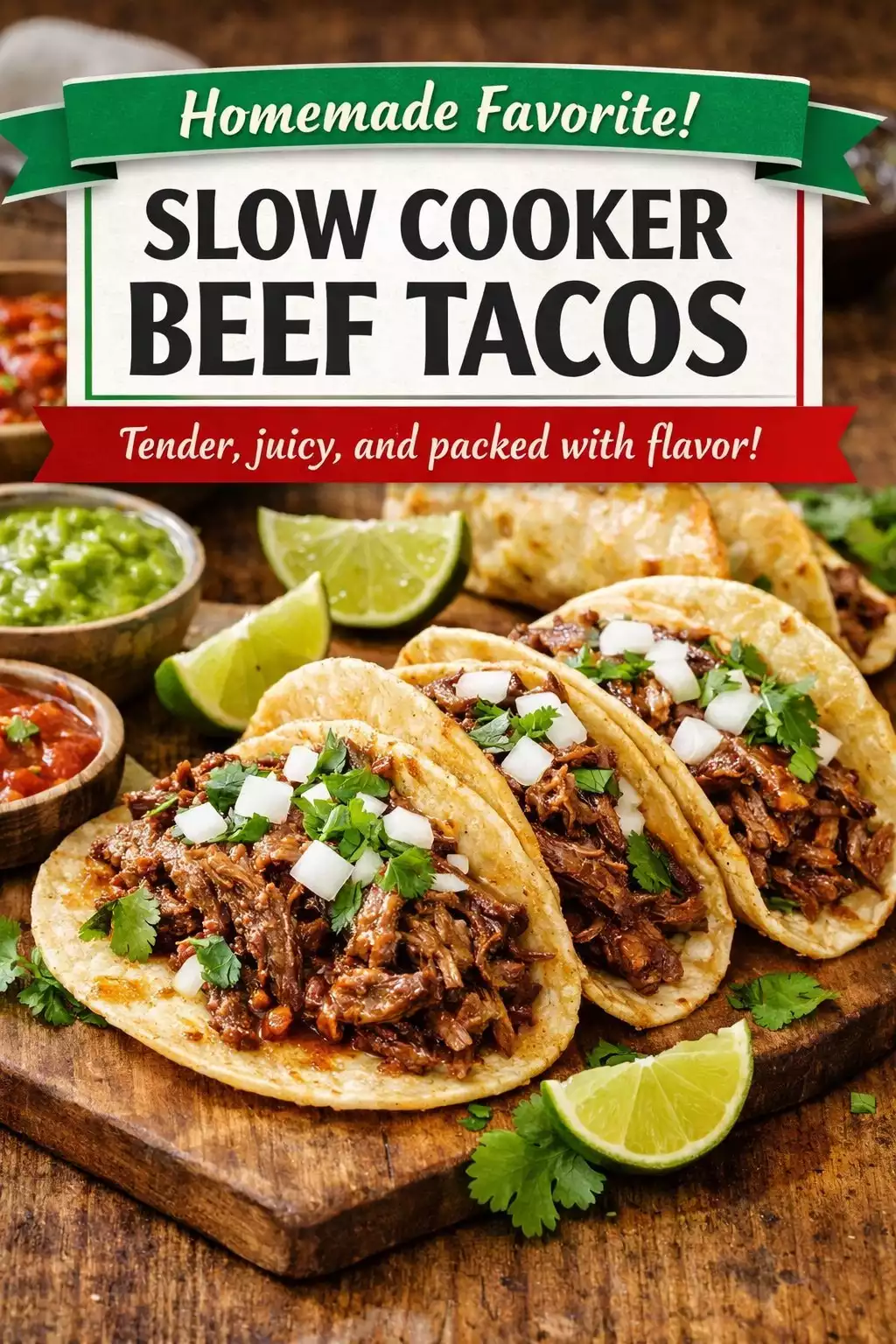
While the oven finishes the chicken, cook ground turkey or beef in a skillet with aromatics. Season differently from the baked chicken — Italian herbs for one, taco-seasoned for the other gives you two different flavor profiles from one prep session.
Minutes 65-80: Make Sauces
Blend or whisk all sauces. Taste and adjust every one. Pour into mason jars, label with the date. A labeled sauce stays in rotation; an unlabeled one gets forgotten and wasted.
Minutes 80-90: Cool, Portion, Store
Let everything cool to room temperature before lidding containers — hot food in sealed containers creates condensation that accelerates spoilage. Portion proteins into individual servings for grab-and-go convenience. Store grains and proteins together in some containers for quick complete meals. Label everything with the date.
Professional Prep Tips
- Cool before lidding — professional kitchens cool food in shallow pans before storing. Hot food creates condensation under lids, raising the humidity and temperature inside the container, which accelerates spoilage.
- Label everything with dates — a container with no date is a container you’ll throw away wondering if it’s still good. 30 seconds of labeling saves food and money.
- Keep sauces separate — dressings and wet sauces added to salads or bowls before eating are fine; pre-saucing everything wilts vegetables and makes textures soggy by day three.
- Front-load proteins early in the week — use the freshest proteins Monday and Tuesday, eggs and longer-lasting proteins later in the week.
- Don’t prep what you won’t eat — be realistic about the week ahead. Over-prepping leads to waste. Under-prepping is better than throwing away a full week of food.
Sample Week of Meals
- Monday: Quinoa bowl with fresh baked chicken, roasted broccoli, cherry tomatoes, and tahini sauce
- Tuesday: Taco-seasoned ground turkey over cauliflower rice with roasted peppers and salsa verde
- Wednesday: Salmon over mixed greens with roasted asparagus, cherry tomatoes, and vinaigrette
- Thursday: Teriyaki chicken bowl over brown rice with roasted zucchini and sesame seeds
- Friday: Greek bowl — quinoa, hard-boiled eggs, cucumber, tomatoes, olives, feta, and lemon
- See my High-Protein Meal Prep Bowls and Healthy 30-Minute Dinners for even more combinations to fill out your week.
Food Safety and Storage Times
- Cooked proteins: 4–5 days refrigerated. Ground meat: 3–4 days.
- Cooked grains: 5–6 days refrigerated. Freeze portions in zip-lock bags for up to 3 months.
- Roasted vegetables: 4–5 days. Best on days 1–3; quality declines after day 4.
- Sauces: 5–7 days for most. Cream-based sauces: 3–4 days. Most freeze well.
- Hard-boiled eggs: 7 days in their shells, 5 days peeled and stored in water.
Frequently Asked Questions
How do I prevent meal prep from getting boring?
Season each protein differently even within the same prep session. Change the grains and vegetables weekly. Change the sauces — this is the biggest variable. The same chicken tastes completely different with teriyaki versus chimichurri versus tahini sauce. Three sauces in the fridge = three different meals from the same protein.
Is it safe to meal prep for 5 days?
Yes, with proper storage. Cooked proteins held in airtight containers at below 40°F are safe for 4–5 days by FDA standards. Cool food before storing. Use separate containers that seal properly. Check food before eating — if it smells off, trust that instinct.
Can I meal prep for a whole family?
Yes — scale up quantities proportionally. A family of four needs 2x the protein, 2x the grains, and 2x the vegetables. The time investment doesn’t scale linearly — prepping for four takes maybe 30% longer than prepping for two since the oven and pots run the same.
What containers should I use?
Glass containers with locking lids are the professional standard — microwave-safe, dishwasher-safe, no flavor transfer, lasts indefinitely. For budget-conscious prep, BPA-free plastic containers with lids that actually seal are fine. Avoid loose-lidded containers — they don’t create the seal that slows spoilage.
What if I don’t have 90 minutes on Sunday?
Do a mini-prep: hard-boil eggs (15 minutes), cook one grain (20 minutes passive), roast one sheet pan of vegetables (25 minutes passive). This 20-minute active prep session with 25 minutes of passive time handles 60% of the work. Something is always better than nothing. See my Easy Vegetarian Dinners for low-prep weeknight ideas that need minimal components.