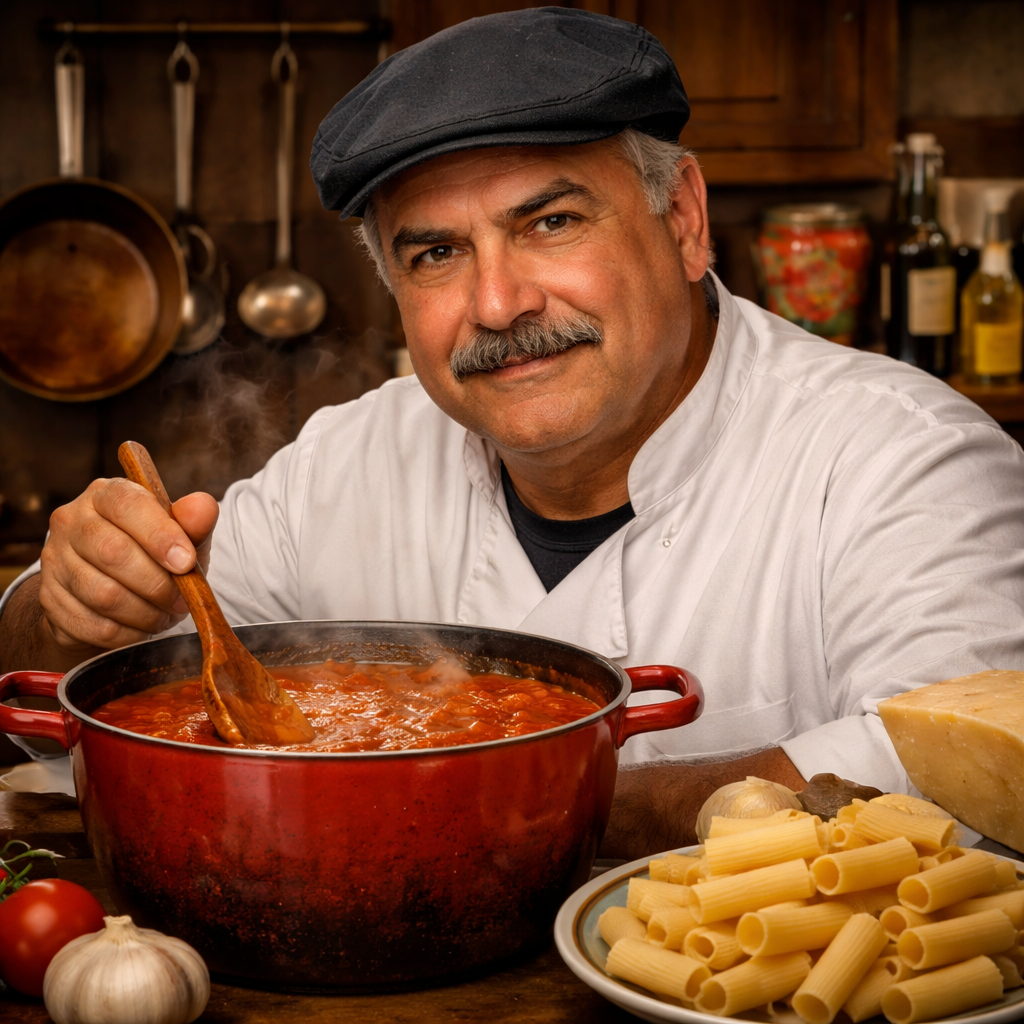
When I retired from the kitchen, this is what I kept cooking. High-protein chicken pasta is the dish that proves fitness food and good food are not mutually exclusive. After thirty years in professional kitchens where every calorie went toward producing food for other people, I started paying attention to what I was actually eating. This recipe came out of that period — all the flavor principles of Italian-American pasta cooking, structured around high protein and real, satisfying portions.
The Italian-American kitchen has always been protein-forward in its best moments — chicken, beans, eggs, and cheese in every meal. This recipe takes those instincts and maximizes them. Lean chicken breast or thigh, high-protein pasta (chickpea or lentil-based), and a sauce that’s built from Greek yogurt and Parmigiano rather than cream. The result is something that satisfies in the same way a rich cream pasta does, but the macros are completely different.
This high-protein chicken pasta is the recipe I give to people who say they want to eat better but don’t want to feel like they’re on a diet. The portions are generous. The flavors are real. The technique is the same as any Italian-American pasta dish — because it is an Italian-American pasta dish, just with macros that support a more active lifestyle.
Why This High-Protein Chicken Pasta Works
- High-protein pasta doubles the protein content — chickpea or lentil pasta has 20-25g protein per serving vs. 7-8g for regular pasta; the taste and texture are close enough that most people don’t notice
- Greek yogurt sauce instead of cream — full-fat Greek yogurt provides creaminess and richness while contributing significant protein; cream contributes fat and flavor with minimal protein
- Chicken is marinated before cooking — lean chicken breast can be dry; acid marinade (lemon, vinegar) breaks down protein fibers slightly and allows deeper seasoning penetration
- Sauce is added off heat — yogurt breaks and separates when boiled; adding off heat and tossing quickly keeps it smooth and creamy
- Pasta water manages consistency — same principle as all Italian pasta sauces; the starch emulsifies the yogurt and creates cohesion
Ingredients
For the Chicken
- 1½ lbs boneless, skinless chicken breast or thighs
- 2 tablespoons olive oil
- 1 tablespoon lemon juice
- 3 cloves garlic, minced
- 1 teaspoon dried Italian seasoning
- 1 teaspoon kosher salt
- ½ teaspoon black pepper
- ½ teaspoon smoked paprika
For the Pasta and Sauce
- 1 lb chickpea pasta, lentil pasta, or regular high-protein pasta
- 1 cup full-fat Greek yogurt (whole milk for best texture)
- 1 cup freshly grated Parmigiano-Reggiano
- 3 cloves garlic, minced
- 1 cup cherry tomatoes, halved
- 2 cups baby spinach or kale
- 2 tablespoons olive oil
- ½ cup reserved pasta water
- Kosher salt and pepper to taste
- Fresh basil or parsley for garnish
- Red pepper flakes (optional)
Instructions
Step 1: Marinate and Cook the Chicken
Combine chicken with olive oil, lemon juice, garlic, Italian seasoning, salt, pepper, and smoked paprika. Marinate at least 30 minutes (up to 24 hours refrigerated). Heat a skillet over medium-high. Cook chicken 5–6 minutes per side until internal temperature reaches 165°F. Rest 5 minutes. Slice against the grain into ½-inch pieces. Resting is mandatory — sliced immediately, the juices run out and the chicken dries.
Step 2: Cook the Pasta
Bring a large pot to a boil. Salt generously. Cook chickpea or lentil pasta according to package directions — high-protein pastas have slightly different cook times and become gummy if overcooked; check 2 minutes early. Reserve ¾ cup pasta water before draining. High-protein pasta absorbs more water than regular pasta — reserve extra water.
Step 3: Build the Sauce Base
In the skillet used for chicken, add olive oil over medium heat. Add garlic and cook 1 minute until golden. Add cherry tomatoes and cook 3–4 minutes until slightly blistered. Add baby spinach and cook until wilted, about 1 minute. Add ¼ cup pasta water and stir to combine.
Step 4: Add Pasta and Create the Yogurt Sauce
Remove the skillet from direct heat completely. Add the drained pasta to the pan. In a small bowl, temper the Greek yogurt by stirring in 2 tablespoons of hot pasta water until smooth and warmer. Add the tempered yogurt to the pasta and toss immediately. Add Parmigiano-Reggiano and more pasta water as needed to reach a creamy, flowing sauce. The yogurt must be tempered and added off heat — direct heat causes it to separate and become grainy.
Step 5: Combine and Serve
Add the sliced chicken to the pasta and toss gently to combine. Taste and adjust salt, pepper, and lemon. Plate in warm bowls. Garnish with fresh basil or parsley, extra Parmigiano, and red pepper flakes. Serve immediately. This dish does not sit well — the yogurt sauce thickens quickly as it cools.
Chef’s Tips & Common Mistakes
- Temper the yogurt before adding — cold yogurt added directly to hot pasta grains and separates; the tempering step (mixing hot water in first) prevents this
- Off-heat yogurt addition only — boiling yogurt always breaks; the hot pasta is warm enough to melt everything together without direct heat
- Watch high-protein pasta cook time — chickpea and lentil pasta overcooks more quickly than regular pasta and becomes gummy; check early and drain when still firm
- Rest the chicken — 5 minutes of rest keeps the juices inside; cutting immediately releases them and the chicken dries out visibly
- Reserve enough pasta water — high-protein pasta needs more water to loosen the yogurt sauce; keep ¾ cup minimum
- Marinate the chicken — lean chicken breast is dry without marinating; the acid and fat in the marinade makes a significant difference in juiciness and flavor
Variations
- Tuscan High-Protein Version: Add sun-dried tomatoes and extra spinach — based on the Tuscan chicken pasta flavor profile with the yogurt sauce replacement
- Cajun Protein Pasta: Season the chicken with Cajun spice blend and add bell peppers — see creamy Cajun chicken pasta for the flavor profile adapted to the high-protein approach
- With Regular Pasta: Use standard pasta if high-protein pasta isn’t available; the technique and flavors are identical
- With White Beans: Add a can of white cannellini beans instead of (or alongside) the chicken for a plant-protein version
- Garlicky Broccoli Add-In: Add blanched broccoli florets for more vegetables — see garlicky broccoli pasta for how to build the broccoli element
- Cold High-Protein Pasta Salad: Let the dish cool, skip the yogurt sauce, dress with lemon vinaigrette and eat as a cold pasta salad with chicken — related to the pasta salad techniques throughout this collection
Storage & Reheating
Refrigerator: Store up to 3 days in an airtight container. The yogurt sauce thickens significantly in the refrigerator — this is normal.
Reheating: Reheat gently in a skillet over medium-low with a splash of water to loosen the sauce. Do not microwave at high heat — the yogurt sauce can break. Add a fresh crack of black pepper and a drizzle of olive oil after reheating.
Meal Prep: This recipe is excellent for meal prep. Cook the pasta and chicken separately, store separately, combine at the time of eating — the chicken and pasta each store better unmixed. Make the yogurt sauce fresh when combining.
Freezer: Yogurt-based sauces don’t freeze well — they separate. Freeze only the cooked chicken if needed.
Frequently Asked Questions
What is high-protein pasta and where do I find it?
Chickpea pasta and lentil pasta are the most widely available high-protein pasta alternatives. Banza is the most popular chickpea pasta brand — found in most large supermarkets. Explore Cuisine makes well-regarded lentil and chickpea pastas. Regular supermarkets carry these in the health food or pasta aisle. The protein content is roughly 2-3x regular semolina pasta. Edamame pasta is another option but has a distinctive flavor. See garlicky broccoli pasta for a naturally protein-forward pasta dish using regular pasta with legume add-ins instead.
Why is my yogurt sauce breaking or getting grainy?
The yogurt was added over heat or wasn’t tempered. Greek yogurt breaks when introduced to high heat directly. Fix: remove the pan from heat completely, temper the yogurt by mixing hot pasta water into it first, then add the tempered yogurt to the pasta and toss quickly. If it breaks, add more pasta water and toss vigorously — it can sometimes recover in the early stages. See creamy Cajun chicken pasta for cream-based comparison where the sauce is more heat-tolerant.
How does chickpea pasta taste compared to regular pasta?
Mild, slightly nutty, and slightly denser than regular semolina pasta. The texture is very close when cooked correctly — the primary risk is overcooking, which makes it gummy and mealy. Cooked perfectly al dente, most people don’t identify it as different from regular pasta in a well-seasoned dish. The chickpea flavor is subtle and compatible with Italian herbs, garlic, and olive oil. See lentil pasta sauce for another high-protein pasta approach using a legume-based sauce with regular pasta.
Can I use chicken thighs instead of breast?
Yes — boneless, skinless thighs have more fat than breast meat and are more forgiving to cook. They won’t dry out if slightly overcooked. The flavor is richer and the texture is more tender. For a high-protein focus, thighs have slightly more calories but are still an excellent lean protein. Marinate them the same way and cook to 165°F internal. The cooking time is similar — 5–6 minutes per side over medium-high.
How much protein does this recipe actually have?
With chickpea pasta and chicken breast, a generous serving delivers approximately 50-60g of protein — from the pasta (~20-25g), chicken breast (~25-30g), Greek yogurt (~5g), and Parmigiano (~4g). Exact amounts vary by portion size and specific ingredients. Compare with a standard cream pasta with chicken: approximately 35-40g protein for the same portion size with significantly more fat and calories. This is meaningful difference for an active lifestyle.