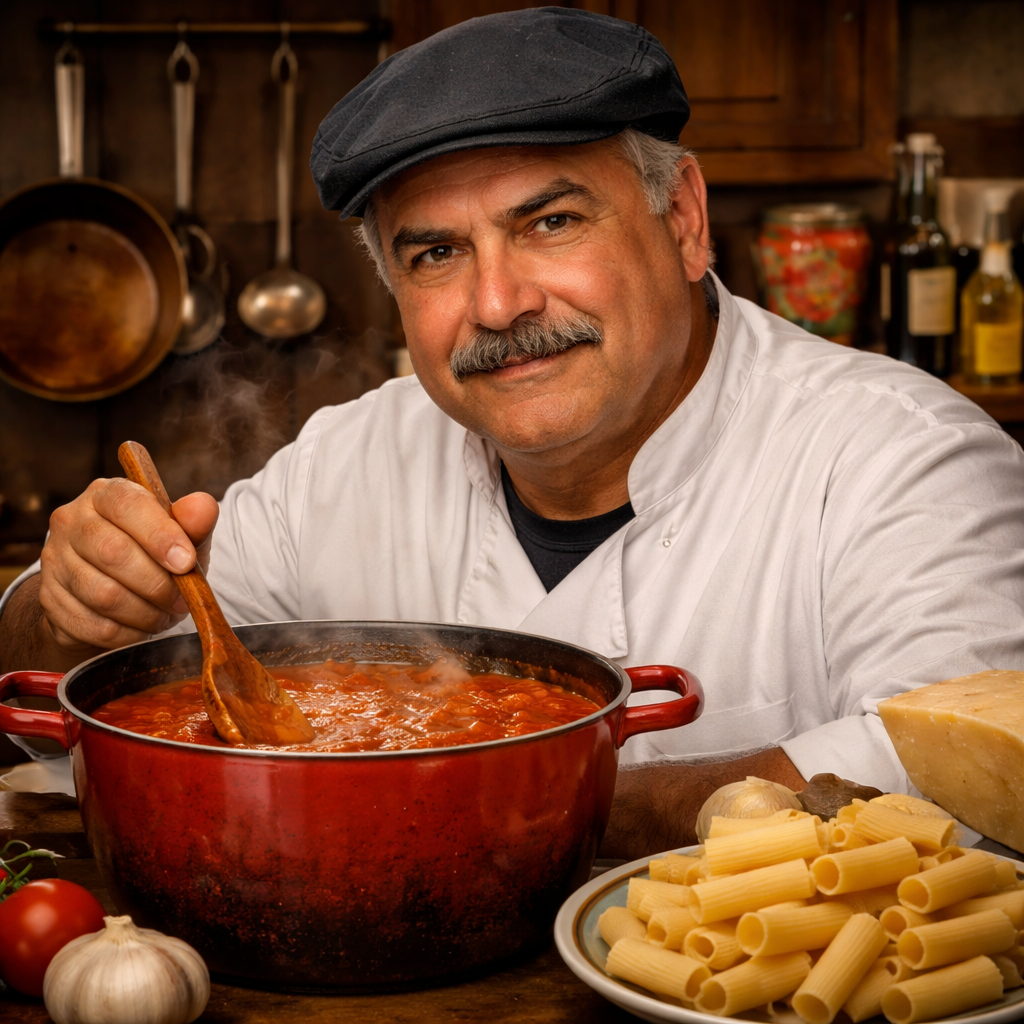
This is Jersey comfort food, and I won’t apologize for it. Dal Makhani — black lentils, kidney beans, butter, cream, and patience — is one of the most quietly powerful dishes I’ve ever encountered in thirty-plus years behind the stove. No flash. No drama in the ingredients list. Just an honest pot of something that will make you question every shortcut you’ve ever taken. I learned this dish from a cook named Rakesh who worked the line next to me at a hotel kitchen in ’94. He made it on Sundays. The whole kitchen smelled like a different world. I’ve been chasing that memory ever since.
Dal Makhani rewards time above everything else. The longer it simmers, the silkier it gets. You cannot rush this. You cannot fake this. But you absolutely can make it at home, and when you do, you’ll understand why restaurants charge good money for a dish built on thirty-cent lentils.
Why This Dal Makhani Works
- Overnight soaking: Whole black lentils (urad dal) and kidney beans need a full soak to cook evenly and develop that creamy texture.
- Low and slow: A long simmer — two to three hours minimum — breaks down the starches and creates natural body without thickening agents.
- Butter and cream at the end: Added in the final stage, not at the start. This preserves their richness rather than cooking it away.
- Bloomed spices: Toasting whole spices in butter before adding aromatics unlocks fat-soluble compounds that water-based cooking can’t reach.
- The tomato base: Slow-cooked down to almost a paste — this concentrates flavor and eliminates the raw, acidic edge that ruins lesser versions.
Ingredients
The Lentils
- 1 cup whole black lentils (urad dal), soaked overnight
- ¼ cup red kidney beans, soaked overnight
- Water for cooking
- 1 tsp salt (for cooking lentils)
The Masala Base
- 3 tbsp butter (plus more for finishing)
- 1 tbsp oil
- 1 medium onion, finely chopped
- 4 garlic cloves, minced
- 1-inch piece ginger, grated
- 2 medium tomatoes, pureed or finely chopped
- 2 tbsp tomato paste
The Spices
- 1 tsp cumin seeds
- 1 bay leaf
- 1 tsp coriander powder
- ½ tsp turmeric
- 1 tsp Kashmiri red chili powder (or mild paprika)
- ½ tsp garam masala
- Salt to taste
The Finish
- ¼ cup heavy cream
- 2 tbsp butter
- Fresh cilantro, chopped
- Optional: dried fenugreek leaves (kasuri methi), crushed — 1 tsp
Instructions
Step 1: Soak and Cook the Lentils
Drain and rinse the soaked lentils and kidney beans. Place in a large pot with enough fresh water to cover by three inches. Add 1 tsp salt. Bring to a boil, skim any foam, then reduce heat and cook at a steady simmer for 45–60 minutes, or until the lentils and beans are completely tender. They should almost mash when pressed between fingers. Don’t rush this step — if they’re not done, nothing else matters.
Step 2: Build the Masala
In a heavy-bottomed pot or Dutch oven, heat the butter and oil together over medium heat. Add cumin seeds and bay leaf. Let them sizzle and pop for 30–40 seconds — this is blooming, and it matters. Add the chopped onion and cook low and slow, about 12–15 minutes, until deeply golden. Not browned — golden. Add garlic and ginger, cook another 2 minutes.
Step 3: Cook the Tomato Base
Add the pureed tomatoes and tomato paste to the onion mixture. Add coriander powder, turmeric, and Kashmiri chili powder. Stir everything together and cook over medium heat for 10–15 minutes, stirring regularly, until the mixture darkens in color and the oil starts to separate from the edges. This is called the bhuno stage — don’t skip it. It builds depth that no amount of added spice can replicate.
Step 4: Combine and Slow Cook
Add the cooked lentils and beans (with some of their cooking liquid) to the masala base. Stir to combine thoroughly. Add enough water to achieve a thick, porridge-like consistency. Bring to a gentle simmer, then reduce heat to the lowest possible setting. Cook for 45–60 minutes minimum, stirring every 10–15 minutes to prevent sticking. The longer it cooks, the better it tastes. Two hours is ideal. Three hours is legendary.
Step 5: Finish with Butter and Cream
In the last 10 minutes, stir in the heavy cream and the remaining 2 tablespoons of butter. Add the garam masala and crushed kasuri methi if using. Taste and adjust salt. The dal should be thick, glossy, and deeply colored — almost burgundy-black. Garnish with fresh cilantro and a small pat of butter on top for service. Serve with basmati rice or warm naan.
Tips & Common Mistakes
- Don’t skip the overnight soak: Quick-soaking works in a pinch, but whole urad dal really needs that full rehydration time to cook evenly. Short cuts here lead to chalky centers.
- Pressure cooker shortcut: Cook the soaked lentils in a pressure cooker for 20–25 minutes instead of stovetop boiling. Saves time without sacrificing texture.
- Keep stirring: Dal sticks. Especially as it thickens. Stir every 10–15 minutes during the long simmer and add water as needed to maintain consistency.
- Don’t add cream too early: Adding cream at the start breaks down during cooking and you lose all that richness. Finish line only.
- Kasuri methi is the secret: Dried fenugreek leaves — about a teaspoon, crushed between palms before adding — give authentic restaurant depth. Don’t skip it if you can find it at an Indian grocery.
- The slow cooker method: After building the masala, combine everything in a slow cooker and cook on LOW for 6–8 hours. Add cream and butter in the last 30 minutes. Set it and forget it — that’s how the best dal makhani actually gets made in commercial kitchens.
Variations
- Vegan version: Substitute coconut cream for the heavy cream and use vegan butter or coconut oil. You lose some of the classic richness but gain a different kind of depth.
- Extra smoky: Authentic restaurant dal makhani gets smoked with charcoal (dhungar method). Place a small piece of lit charcoal in a foil cup, set it on top of the finished dal, drizzle with ghee, and cover the pot for 2 minutes. Game changer.
- Tomato-forward: Double the tomato paste for a deeper, slightly more acidic version. Works beautifully with extra cream to balance it out.
- Spicier version: Add a slit green chili or two during the masala stage, or increase the Kashmiri chili and add a pinch of cayenne.
Looking for more Indian recipes? Try the Saag Paneer, the hearty Vegetable Biryani, or the classic Butter Chicken — all built with the same philosophy: proper technique, no shortcuts.
Storage & Reheating
- Refrigerator: Stores beautifully for up to 5 days. The flavor actually improves by day two — the spices meld and the dal gets silkier overnight.
- Freezer: Freeze in airtight containers for up to 3 months. Thaw in the refrigerator overnight.
- Reheating: Reheat gently on the stovetop over low heat, adding a splash of water to loosen. Dal thickens significantly as it cools. Finish with a small knob of butter before serving.
Frequently Asked Questions
Can I use canned lentils or beans?
Technically yes, but the texture and flavor suffer significantly. Canned kidney beans are passable in a pinch — add them later in the cooking process. But whole black lentils really need to cook from scratch for the right silky consistency. No shortcut here worth taking.
What is urad dal exactly?
Whole black lentils — also called black gram. Sold at Indian grocery stores, typically labeled “whole urad dal” or “sabut urad.” They’re small, matte black, and should not be confused with the split version (which cooks much faster). Look for them in the bulk section or Indian aisle.
Why is my dal watery?
Either the lentils weren’t cooked long enough to release their natural starch, or too much liquid was added. Keep simmering uncovered. Dal thickens naturally over time — just give it another 20–30 minutes with the lid off and patience in your heart.
Can I make this in an Instant Pot?
Yes. Cook soaked lentils and beans on HIGH pressure for 20 minutes, natural release. Build masala separately in sauté mode, combine everything, then pressure cook again for 10 minutes. Finish with cream and butter in sauté mode. The slow-cooked version is still better, but the Instant Pot version is very respectable.
What do I serve with dal makhani?
Basmati rice is the classic pairing. Naan or roti work beautifully as well. For a full spread, serve alongside the Chicken Tikka Masala and some Homemade Samosas for a dinner nobody forgets.