Every bite should remind you of somebody’s kitchen. Chicken Tikka Masala — disputed in its origins, celebrated in its execution — is one of those dishes that has achieved the rare status of being universally beloved regardless of background, nationality, or food preference. It’s a deeply spiced, smoky, creamy tomato sauce loaded with charred chicken, served with rice or naan, and it is the kind of food that makes people go quiet for a moment after the first bite. That’s the reaction we’re building toward.
The tikka is the key. Tikka means “pieces” in Urdu/Hindi — specifically, pieces of meat that have been marinated in spiced yogurt and then cooked in a tandoor oven until charred at the edges and juicy at the center. The masala is the spiced tomato-cream sauce that surrounds the tikka. The combination is the dish. Neither component on its own is what makes this great; the interaction between the smoky charred chicken and the complex, aromatic sauce is.
This recipe builds both components with the seriousness they deserve. The chicken marinates overnight. The sauce simmers long enough to develop complexity. The finished dish tastes like it came from a serious kitchen — because it did: yours.
Why This Chicken Tikka Masala Works
- Overnight yogurt marinade: The yogurt tenderizes the chicken and the spices penetrate deeply. More marinade time = more complex flavor in the final dish.
- High-heat broiling for char: The authentic tandoor char can be approximated at home by broiling close to the heating element until dark spots appear. This smokiness is non-negotiable for the final dish.
- Toast the spices: Blooming whole and ground spices in oil before adding the tomatoes releases fat-soluble flavor compounds that water-based cooking can’t extract.
- Smooth sauce: Blending the tomato sauce completely smooth before adding cream creates the restaurant-quality texture that distinguishes tikka masala from a generic tomato chicken curry.
Ingredients
For the Chicken Tikka
- 2 lbs boneless chicken thighs, cut into 2-inch pieces
- ¾ cup plain full-fat yogurt
- 2 tbsp lemon juice
- 1 tbsp ginger-garlic paste (or equal parts fresh ginger and garlic, grated)
- 1 tsp garam masala
- 1 tsp ground cumin
- 1 tsp Kashmiri chili powder (or ½ tsp sweet paprika + ¼ tsp cayenne)
- 1 tsp ground turmeric
- 1 tsp salt
- 2 tbsp neutral oil
For the Masala Sauce
- 3 tbsp neutral oil or ghee
- 1 large onion, finely diced
- 4 cloves garlic, minced
- 1″ fresh ginger, grated
- 2 tsp garam masala
- 2 tsp ground cumin
- 1 tsp ground coriander
- 1 tsp Kashmiri chili powder
- ½ tsp turmeric
- 1 can (28 oz) crushed or whole tomatoes
- 1 tbsp sugar
- ¾ cup heavy cream
- 1 tsp dried fenugreek leaves (kasuri methi), crumbled
- Salt to taste
Instructions
Step 1: Marinate Overnight
Combine yogurt, lemon juice, ginger-garlic paste, spices, salt, and oil in a bowl. Add chicken and toss to coat every piece. Cover and refrigerate for a minimum of 4 hours, ideally overnight. The yogurt marinade is not just for flavor — the lactic acid in yogurt begins breaking down the surface proteins and tenderizing the chicken. Don’t rush this step.
Step 2: Char the Chicken
Preheat broiler to HIGH. Thread chicken onto metal skewers or arrange on a foil-lined sheet pan. Broil 4–5 inches from the element for 8–10 minutes, flipping once halfway through. Look for dark charred spots — a few blackened edges are correct and add the smokiness that defines the dish. The chicken doesn’t need to be fully cooked through here. Set aside and rest.
Step 3: Build the Masala
Heat oil or ghee in a heavy saucepan over medium-high heat. Add onion and cook 10–12 minutes until deeply golden. Add garlic and ginger. Cook 2 minutes. Add all spices and stir in the fat for 30–60 seconds — the spices should sizzle and become very fragrant. Add tomatoes. Stir to combine. Simmer uncovered for 15–20 minutes, stirring occasionally, until the sauce is thick and has turned a deep, rich red. Blend completely smooth using an immersion blender. Return to heat.
Step 4: Finish the Sauce
Add sugar and heavy cream to the blended sauce. Stir and simmer 5 minutes. Add charred chicken pieces and any resting juices. Simmer 10–12 minutes until the chicken is fully cooked through and the sauce has absorbed the smoky char flavor from the tikka. Crush kasuri methi between palms and stir in. Taste and adjust salt, sugar, and garam masala.
Step 5: Serve
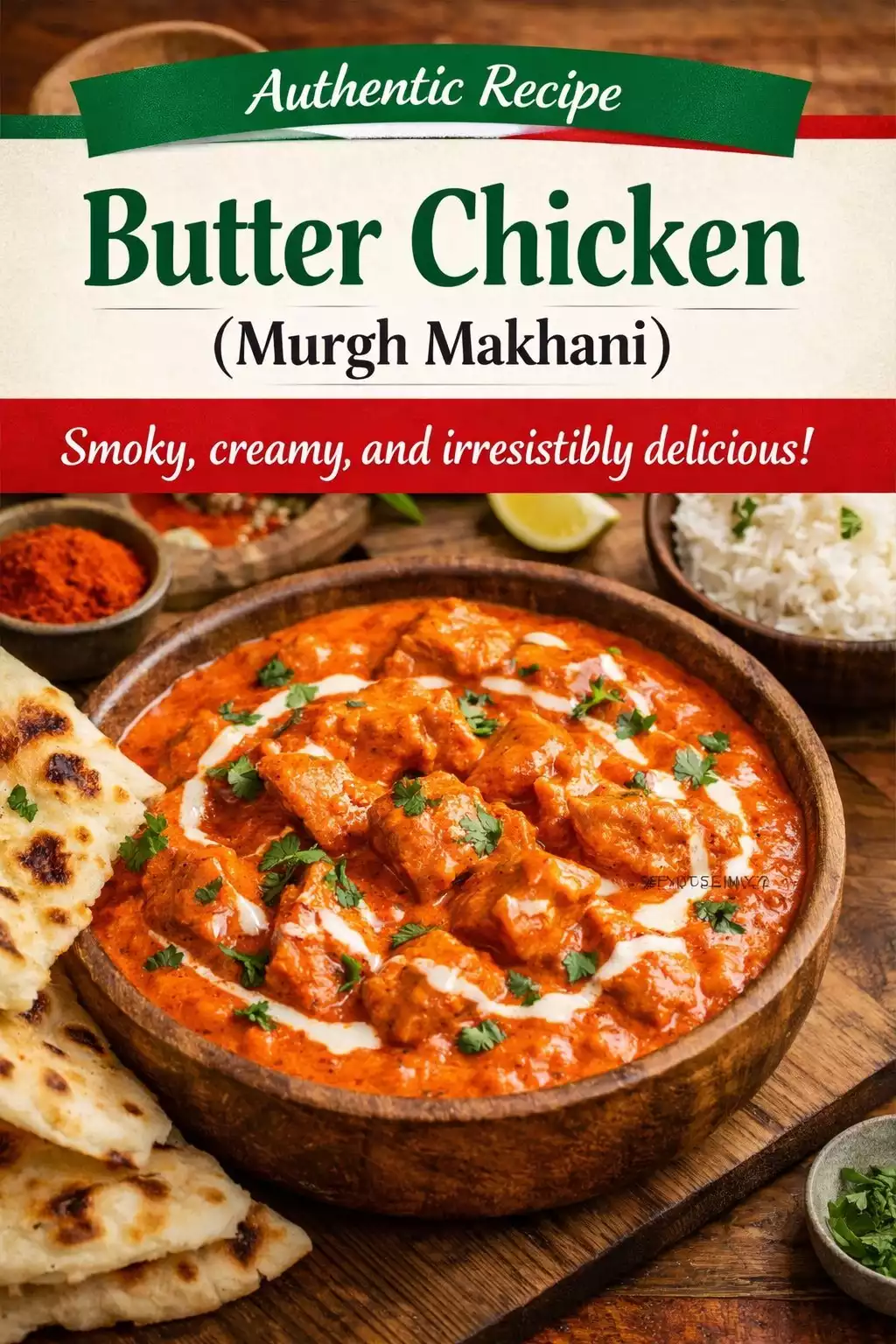
Serve over fragrant basmati rice or alongside warm naan. The sauce should coat the back of a spoon, be deeply orange-red, and taste simultaneously rich, spiced, and slightly smoky. Garnish with a spiral of cream, fresh cilantro, and a slice of lemon for squeezing at the table.
Tips & Common Mistakes
- The char is the dish: Plain, un-charred chicken added to the sauce produces chicken tikka without the tikka. The smoky, slightly blackened exterior is what makes tikka masala distinctly itself rather than just a tomato cream chicken curry. Don’t skip the broiling step.
- Bloom the spices: Spices added to a hot fat for 30–60 seconds before liquid is added release dramatically more flavor than spices added to liquid directly. This 60-second step changes the entire dish.
- Fully blend the sauce: Any visible tomato chunks in a tikka masala sauce indicate an underblended result. Blend until the sauce is completely smooth and flows without resistance.
- Kasuri methi at the end: Adding dried fenugreek leaves at the very end of cooking preserves their aromatic quality. Added too early, they cook away. This is the ingredient that makes homemade tikka masala taste like restaurant tikka masala.
Variations
- Paneer tikka masala: Replace chicken with cubed paneer pan-fried until golden. Marinate the paneer in the same yogurt mixture for 30 minutes before pan-frying. The texture is different but the sauce is equally excellent.
- Lamb tikka masala: Use boneless lamb shoulder cut into 2-inch cubes. Marinate and broil the same way. The lamb takes slightly longer to cook through in the sauce but the result is richer and more complex than chicken.
- Vegetable tikka masala: Use cauliflower florets, roasted at 425°F until charred at the edges, then added to the masala sauce. The char on the cauliflower provides similar smoky complexity to the charred chicken.
- Less spicy version: Reduce garam masala to 1 tsp total and omit cayenne. Use sweet paprika only for the Kashmiri chili powder approximation. Still complex and flavorful but significantly less heat.
For more Indian cooking to master: butter chicken, vegetable biryani, dal makhani, saag paneer, and butter chicken flatbread pizza.
Storage & Reheating
- Refrigerator: Keeps for up to 4 days. Improves on day 2 as the spices continue to bloom in the sauce. This is a great meal-prep dish.
- Reheating: Reheat on the stovetop over medium-low heat, adding a splash of water or cream if the sauce has thickened. Stir gently.
- Freezing: Freeze for up to 3 months. Thaw overnight in the refrigerator and reheat on the stovetop. The sauce freezes and reheats exceptionally well.
Frequently Asked Questions
Is chicken tikka masala Indian or British?
The origin is genuinely contested. Many food historians trace it to Indian restaurants in the UK (likely Glasgow) in the 1970s. Others trace elements to the Mughal culinary tradition of northern India. The dish is definitively a product of the Indian diaspora — Indian cooks, Indian spices and techniques, British ingredients and context. It’s now a globally beloved dish regardless of its precise origin.
Can I use chicken breast instead of thighs?
You can, but thighs are strongly preferred. Breast meat dries out during the broiling and the subsequent simmering in the sauce. Thigh meat has more fat and connective tissue that keeps it moist and adds richness to the sauce. If you must use breast, reduce the final simmering time to 5–7 minutes to prevent drying.
What makes tikka masala orange?
The color comes from Kashmiri chili powder and turmeric. Kashmiri chili is a mild, deep-red chili that contributes brilliant color with minimal heat. Combined with the orange of turmeric and the tomato red, the result is the characteristic deep orange that defines tikka masala. Without Kashmiri chili, the color is duller and more brown-red.
What is kasuri methi?
Kasuri methi is dried fenugreek leaves — the leaves of the fenugreek plant, dried and crumbled. They have a slightly bitter, maple-like aroma that is completely unique. Added at the end of butter chicken and tikka masala, they provide the specific aromatic quality that identifies both dishes instantly. Available at Indian grocery stores and online. There is no substitute.