Three generations of this recipe. You’re welcome. Pastitsio is the Greek answer to lasagna — layers of thick pasta, seasoned ground meat with warm spices, and a béchamel top that bakes into a golden custard crust. My first encounter with it was at a Greek diner in Astoria, Queens, and I spent the entire meal trying to understand the spice profile. Cinnamon in meat sauce. The audacity. And it was magnificent.
Greek cooking shares the Mediterranean DNA with Italian cooking in ways that feel like cousins who took different career paths. Both love lamb and beef, both build layered pasta bakes, both rely on béchamel for their richest preparations. My Italian-American background gave me the baked pasta instincts; spending time around Greek home cooks in New York gave me the spice knowledge. Pastitsio sits at that intersection comfortably.
This pastitsio recipe uses the authentic spice profile — cinnamon, allspice, nutmeg in the meat, heavy béchamel on top, and a long rest after baking so it cuts cleanly. The rest is non-negotiable. Pastitsio straight from the oven collapses; pastitsio rested for 30 minutes cuts into perfect, restaurant-quality squares. Patience is the secret ingredient.
Why This Pastitsio Recipe Works
- Warm spices in the meat — cinnamon and allspice in savory dishes is the Greek technique that distinguishes pastitsio from Italian baked pasta
- Penne or ziti cut the same length — uniform pasta length means even baking; the pasta doesn’t stick up unevenly through the béchamel
- Béchamel is thicker than French standard — pastitsio béchamel is firmer than sauce; it needs to hold its shape after baking and resting
- Egg in the béchamel — the egg sets the top layer into a firm custard-like crust that makes pastitsio portable in a way lasagna isn’t
- 30-minute rest is mandatory — the layers fully set during resting; cutting early means liquid filling running across the plate
Ingredients
For the Meat Sauce
- 1½ lbs ground lamb (or 50/50 lamb and beef)
- 1 large onion, finely diced
- 4 cloves garlic, minced
- 1 can (14.5 oz) crushed tomatoes
- 2 tablespoons tomato paste
- 1 teaspoon ground cinnamon
- ½ teaspoon ground allspice
- ¼ teaspoon ground cloves (optional)
- 1 teaspoon kosher salt
- ½ teaspoon black pepper
- 2 tablespoons olive oil
- ¼ cup dry red wine
For the Béchamel
- 6 tablespoons unsalted butter
- 6 tablespoons all-purpose flour
- 3 cups whole milk, warm
- 2 eggs, beaten
- 1 cup freshly grated Kefalotyri or Parmigiano-Reggiano
- ½ teaspoon kosher salt
- ¼ teaspoon white pepper
- Pinch of freshly grated nutmeg
For the Pasta Layer
- 1 lb penne rigate or ziti (all cut to similar length)
- 2 eggs, beaten
- ½ cup Kefalotyri or Parmigiano-Reggiano, grated
- 2 tablespoons butter, melted
- Kosher salt for pasta water
Instructions
Step 1: Cook the Meat Sauce
Heat olive oil over medium-high in a large skillet. Brown the lamb in batches, breaking into small pieces, until well-browned. Pour off excess fat, leaving 2 tablespoons in the pan. Add onion, cook 4 minutes. Add garlic, cook 1 minute. Add red wine and cook until evaporated. Add tomatoes, tomato paste, cinnamon, allspice, cloves, salt, and pepper. Simmer uncovered for 25 minutes until thickened and deeply fragrant. The sauce should be quite dry — excess liquid means soggy layers. Taste and adjust spices. The cinnamon should be present but not overwhelming.
Step 2: Cook the Pasta
Bring a large pot to a boil. Salt generously. Cook pasta 3 minutes shy of al dente. Drain well. Toss warm pasta with beaten eggs, grated cheese, and melted butter. The egg and butter coat each piece and help the pasta layer hold together when baked and sliced.
Step 3: Make the Béchamel
In a heavy saucepan, melt butter over medium heat. Whisk in flour and cook for 2 minutes. Add warm milk in a slow stream, whisking constantly. Cook over medium heat, stirring frequently, for 8–10 minutes until thickened enough to coat a spoon generously — thicker than a standard sauce. Remove from heat. Let cool 5 minutes. Whisk in eggs quickly so they don’t scramble. Add cheese, salt, pepper, and nutmeg. The béchamel should be thick, pourable, and hold a ribbon when it falls from a spoon.
Step 4: Assemble
Preheat oven to 375°F. Butter a 9×13 baking dish. Layer half the pasta in the bottom, pressing flat. Spread all the meat sauce evenly over the pasta. Layer the remaining pasta on top of the meat sauce. Pour all the béchamel over the top pasta layer, spreading it to reach every edge. The béchamel should cover completely — no exposed pasta.
Step 5: Bake and Rest
Bake uncovered at 375°F for 40–45 minutes until the béchamel top is deeply golden and set — it should jiggle slightly in the center but not be liquid. Remove from oven and rest at room temperature for a full 30 minutes before cutting. This rest is where pastitsio becomes pastitsio. Cut into squares and serve with a simple salad.
Chef’s Tips & Common Mistakes
- Dry meat sauce is mandatory — wet sauce makes wet layers that collapse; cook the sauce until very little liquid remains
- Coat pasta with egg and butter — this step holds the pasta layer together and keeps it from sliding around when cut
- Cool the béchamel before adding eggs — hot béchamel scrambles eggs immediately; wait 5 minutes after removing from heat
- Thick béchamel is correct for pastitsio — thinner than standard béchamel means a soupy top layer that doesn’t set; cook it longer than you think
- 30 minutes rest — without exception — put it on the counter and walk away; come back in 30 minutes and cut squares that hold their shape
- Cinnamon quantity matters — too little and pastitsio tastes like regular baked pasta; too much and it tastes like dessert; 1 teaspoon is the sweet spot
Variations
- All-Beef Version: Use 100% ground beef instead of lamb — milder, more familiar flavor, still uses the same warm-spice profile
- Vegetarian Pastitsio: Substitute lentils cooked with the same cinnamon-allspice blend for the meat sauce; add diced eggplant for texture
- Moussaka Version: Replace pasta with layered sliced eggplant and potato — the same meat and béchamel approach in the original Greek form
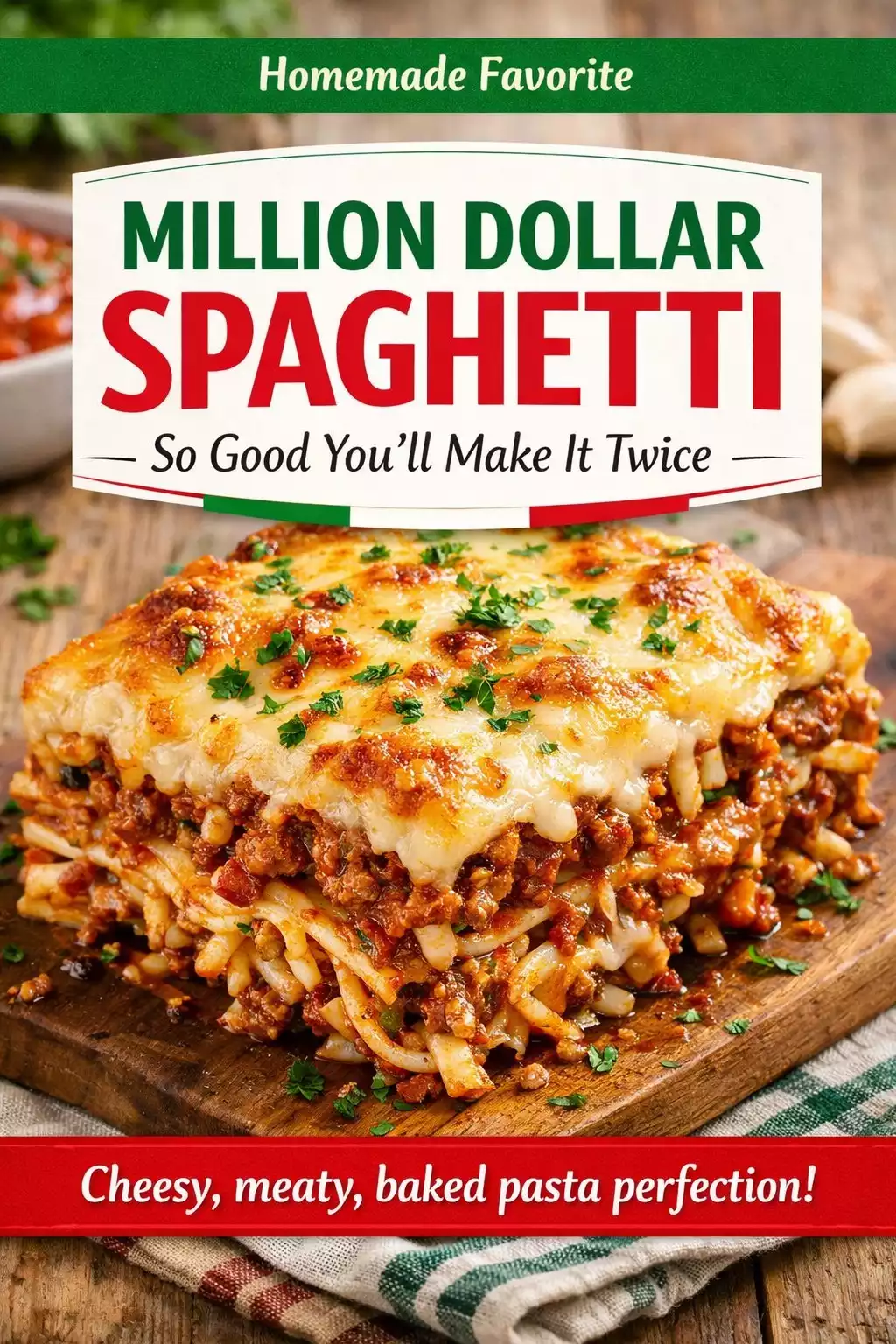
- Single-Layer Quick Version: Mix pasta, meat sauce, and béchamel together in the baking dish instead of layering — related to million dollar spaghetti approach
- Smaller Individual Portions: Bake in individual ramekins for dinner party presentation — the same layering scaled to 6-oz portions baked 20 minutes
- With Baked Rigatoni: Use rigatoni for an Italian-American influenced version — see baked rigatoni with sausage for the comfort-food approach to tube pasta
Storage & Reheating
Refrigerator: Store covered up to 4 days. Pastitsio improves over 2–3 days as the layers fully set and the spices deepen.
Reheating: Cover with foil and reheat at 325°F for 20–25 minutes, or microwave individual portions covered with a damp paper towel. The béchamel layer reheats well — better than most baked pasta sauces.
Freezer: Freeze unbaked or fully baked for up to 3 months. Thaw overnight in the refrigerator before reheating. Bake from thawed at 350°F covered for 20 minutes then uncovered for 15 more. See also baked tortellini casserole for another freeze-friendly baked pasta.
Room Temperature Serving: Pastitsio is also traditionally served at room temperature — the layers hold perfectly and it’s excellent for buffet service or picnics.
Frequently Asked Questions
Why does my pastitsio fall apart when I cut it?
Didn’t rest long enough. The 30-minute rest is the step that allows the egg in the béchamel and the binding in the pasta layer to fully set. Cutting at 15 minutes gives you a hot, delicious mess. Cutting at 30 minutes gives you clean squares. See also: wet meat sauce is a secondary culprit — the sauce must be very dry before assembly.
Can I use beef instead of lamb?
Yes — many Greek-American households use all-beef for a milder flavor. The spice profile is the same. Lamb gives the authentic aromatic richness but beef is a completely acceptable substitute that produces a less gamey, more broadly appealing dish. See homemade lasagna for the Italian-American baked beef pasta comparison.
What is Kefalotyri cheese and where do I find it?
Kefalotyri is a hard, salty Greek cheese similar to Pecorino Romano. Find it at Greek delis, international grocery stores, or Middle Eastern markets. If unavailable, Pecorino Romano is the closest substitute. Parmigiano-Reggiano is the fallback. The saltiness is the key quality — whatever hard, salty aged cheese is available works.
Is pastitsio supposed to have cinnamon?
Yes — the cinnamon in the meat sauce is what makes pastitsio distinctly Greek rather than Italian. It’s the flavor note that startles people on the first bite and then makes them understand. The quantity should be noticeable but subtle — a background warmth, not a dessert flavor. Related: baked ziti is the Italian counterpart that uses Italian herbs instead of warm spices in the meat.
Can I make pastitsio ahead?
Yes — fully assemble, cover with plastic wrap, and refrigerate for up to 24 hours before baking. Add 10 minutes to the baking time to account for the cold start. Pastitsio is one of the best make-ahead dinner party dishes — it looks impressive, feeds a crowd, and is actually better the next day. See million dollar spaghetti for another crowd-feeding, make-ahead baked pasta.