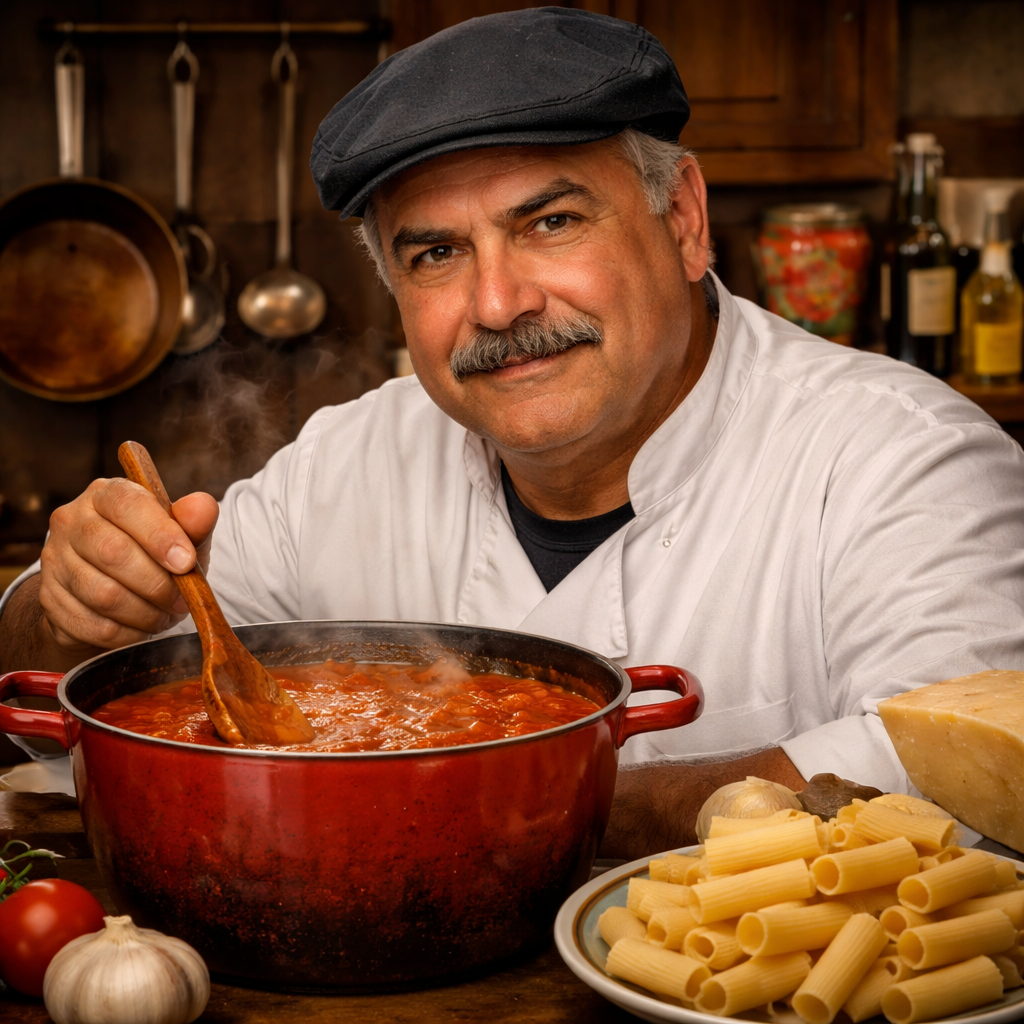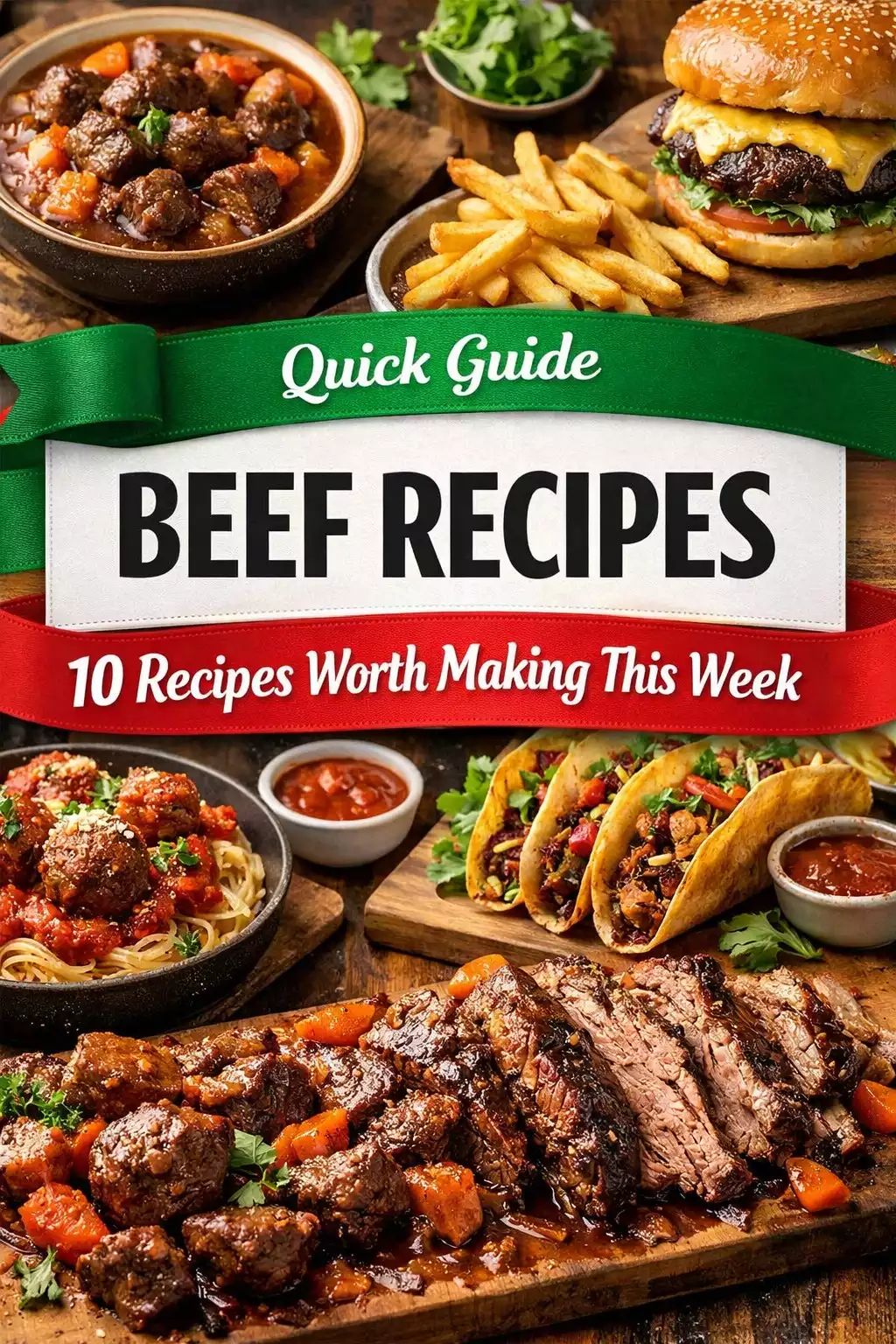
BI’m only gonna say this once. 10 Beef Recipes — from weeknight ground beef dinners to long braised Sunday cuts. Beef is the category where technique matters most because the margin for error is smallest. Overcook a chuck roast and thirty years of family tradition tastes like pot pourri. Get the sear right and the braise right, and you have something that earns silence at the table — the highest praise.
Beef rewards patience and punishes impatience in equal measure. The braised dishes in this collection need low heat and time. The stovetop dishes need high heat and confidence. The ground beef dishes need proper browning — not gray, steamed meat, but real Maillard reaction flavor that comes from a hot pan and some restraint about moving things around too early. These recipes teach that patience.
That’s not a suggestion. The recipes that don’t work are the ones built on vague instructions and the assumption that you’ll figure out the unclear parts yourself. That’s not how I write recipes and that’s not what this collection is. Every step has a reason. Every timing note is calibrated. Every technique is explained the way I would explain it standing next to you at the stove — with the kind of specificity that produces consistent results the first time.
I didn’t retire to make bad food. Use this collection as your reference. Come back to it. Build these techniques into your muscle memory and you’ll cook better across every category — not just the specific dishes here, but everything you put on the table from here forward.
Recipes In This Collection
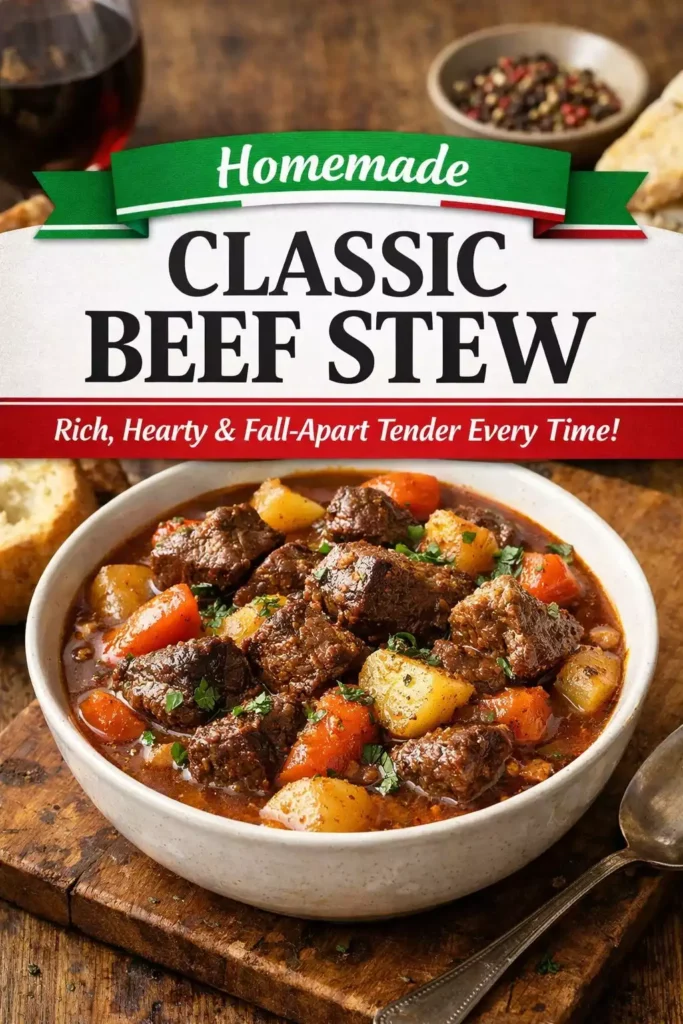
Classic Beef Stew
Chuck roast broken down in a long braise — tender enough to fall apart, with a broth so rich it coats the back of a spoon without a roux.
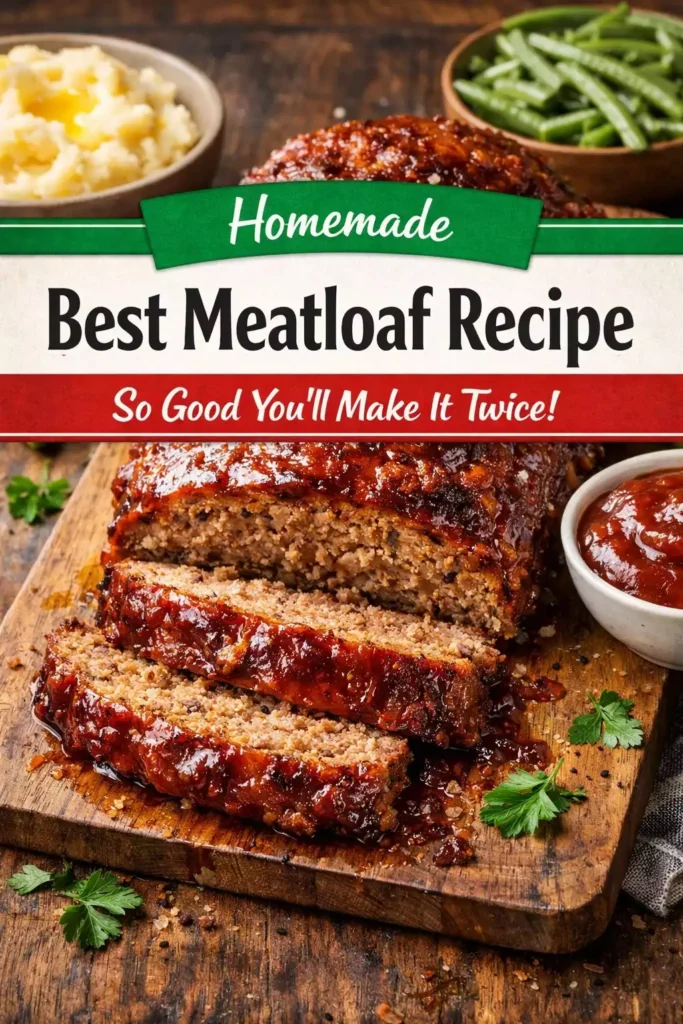
Best Meatloaf Recipe
The meatloaf people are actually trying to recreate: properly seasoned, a bit of fat, glazed on top, and never dry in the middle.
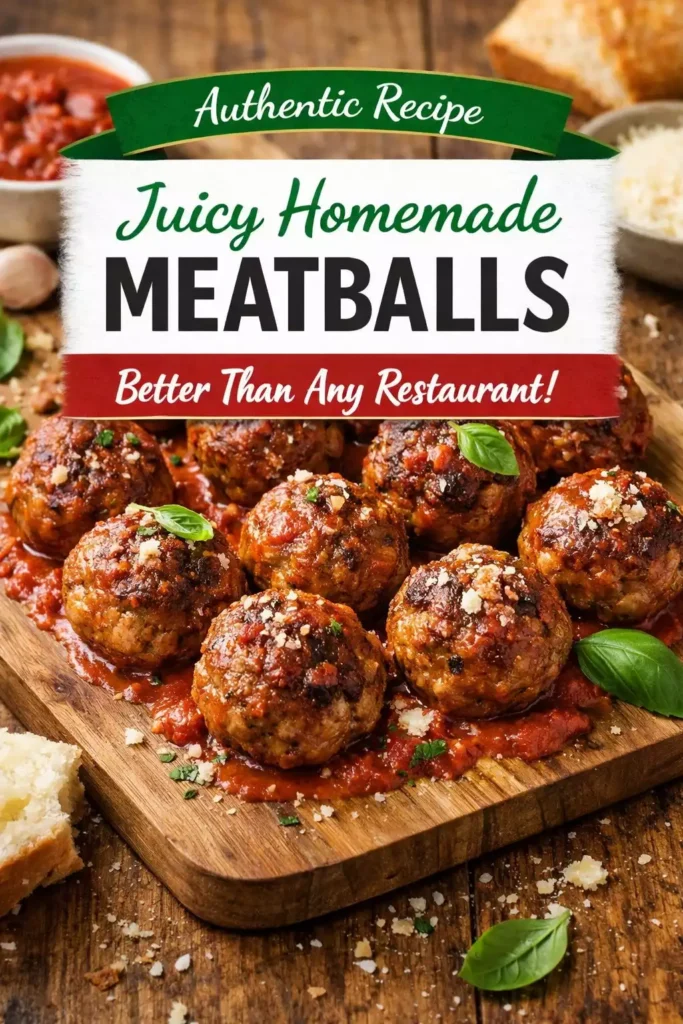
Juicy Homemade Meatballs
The meatball question — answered. Proper fat ratio, the right binders, and a technique that keeps them tender all the way through.
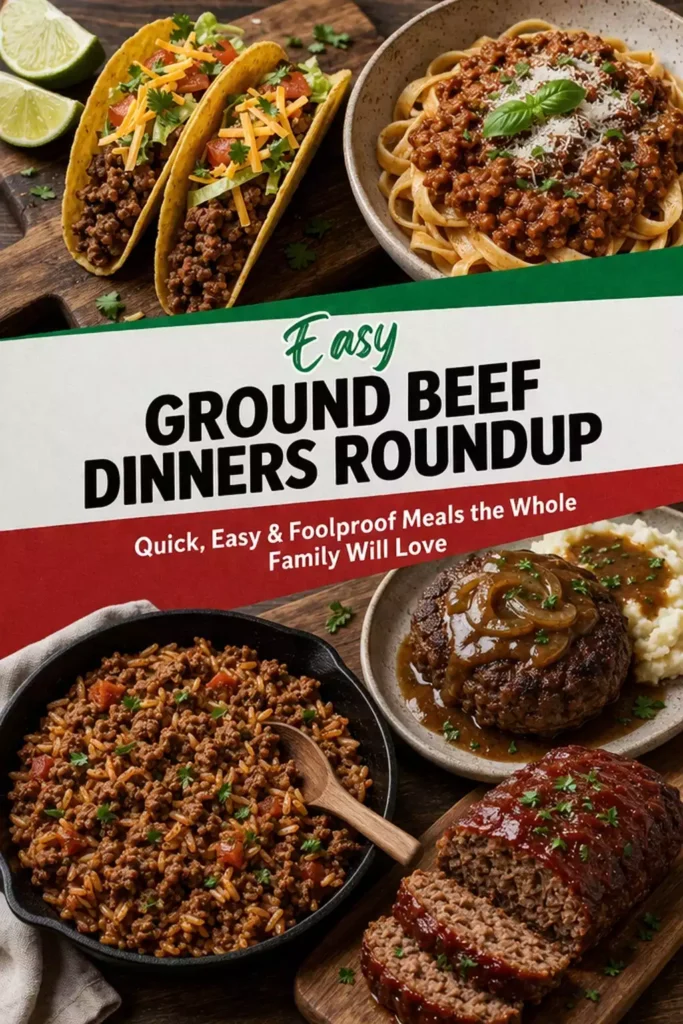
Easy Ground Beef Dinners Roundup
Easy Ground Beef Dinners Roundup — the version built on proper technique and real ingredients. Calibrated for consistent results every single time.
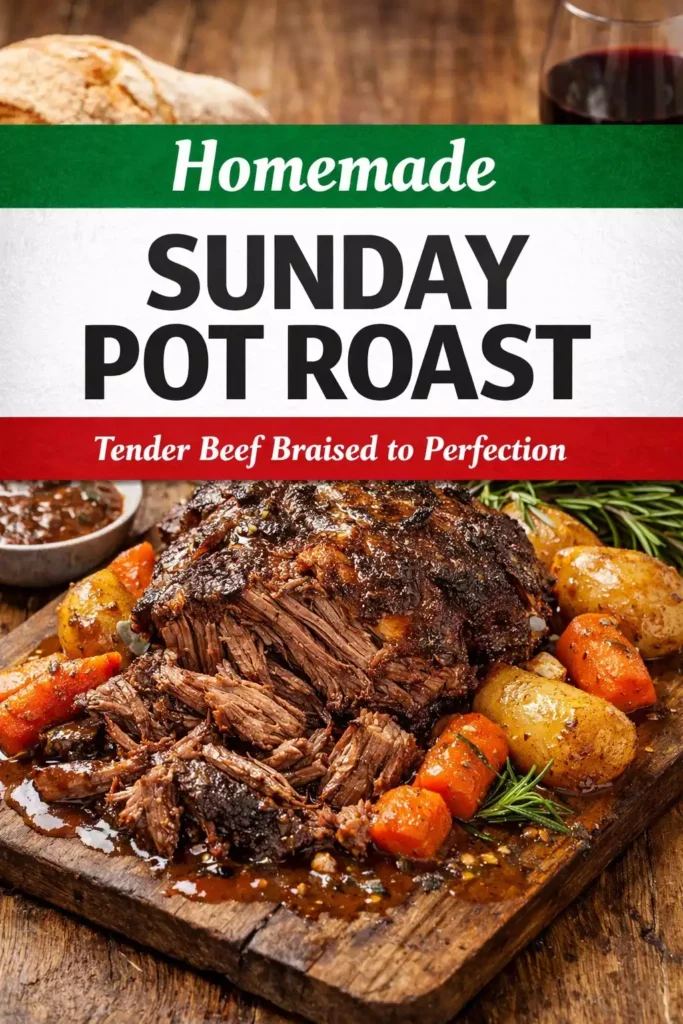
Sunday Pot Roast
A Sunday tradition — chuck roast braised low and slow until it surrenders completely. Serve it with whatever you have. It doesn’t need much.
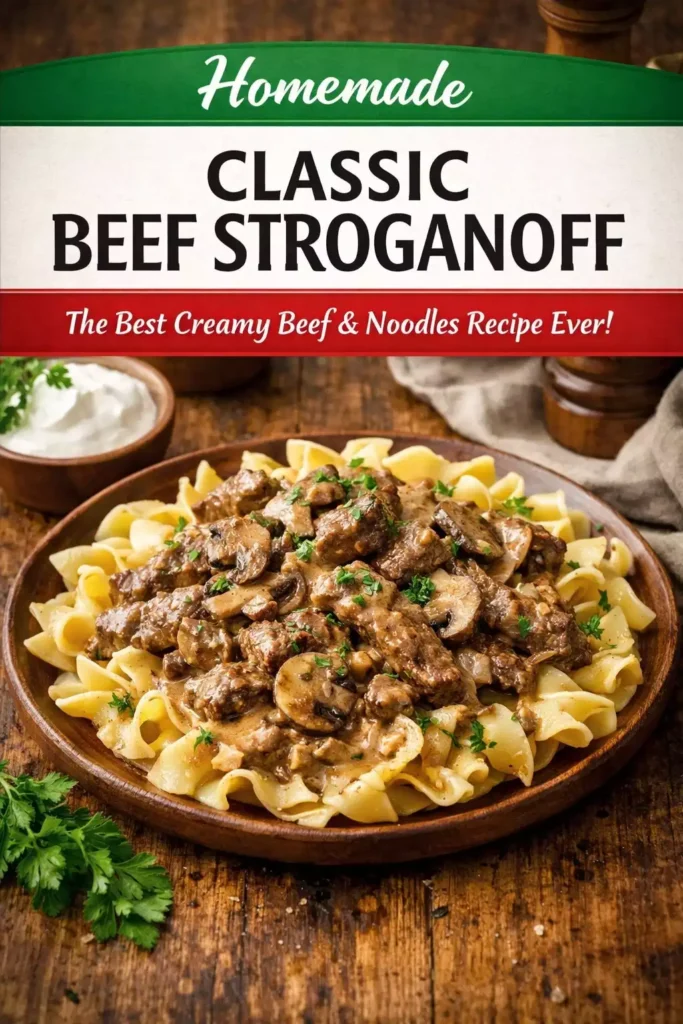
Classic Beef Stroganoff
Tender beef strips in a sour cream sauce built on properly caramelized onions and mushrooms — the version that actually tastes like something.
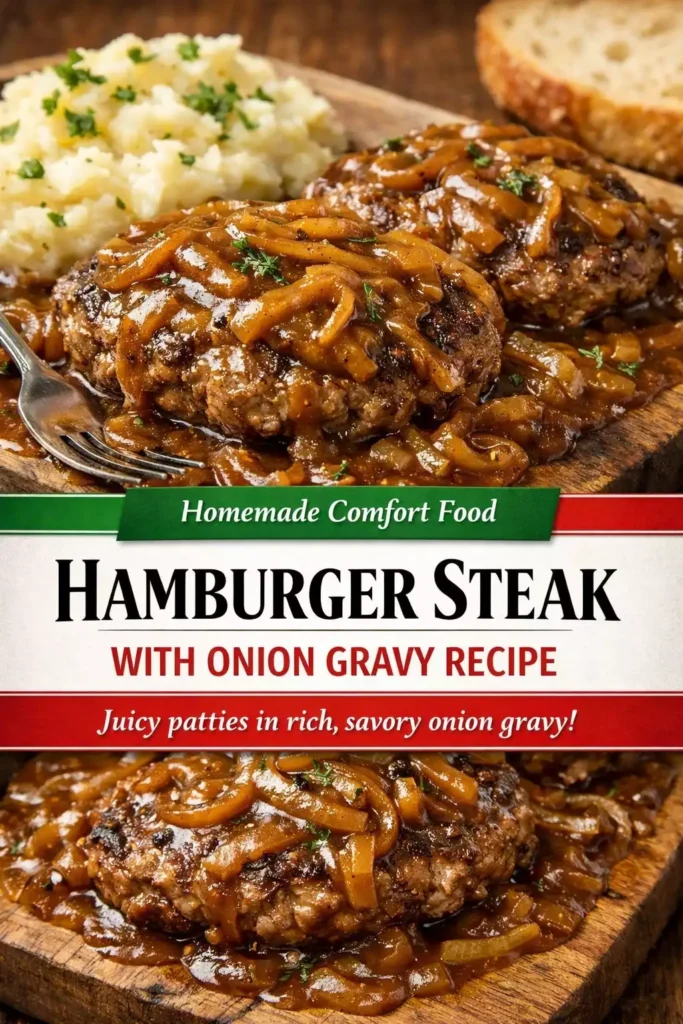
Hamburger Steak with Onion Gravy
Ground beef formed thick, seared hard, and finished in an onion gravy that doubles as the sauce. Southern diner food that hits every time.
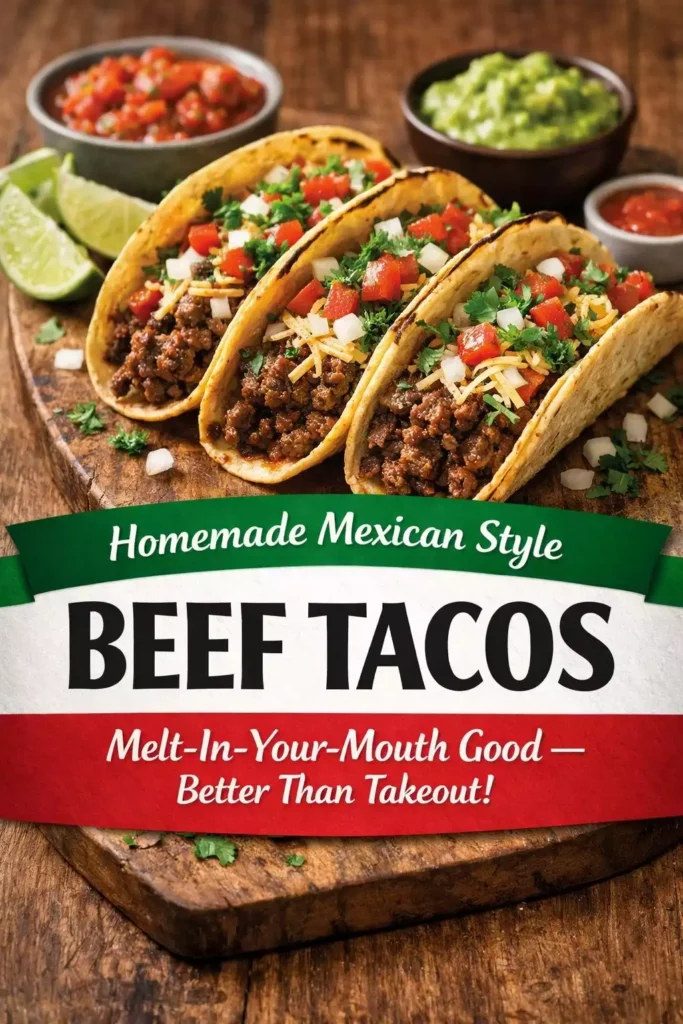
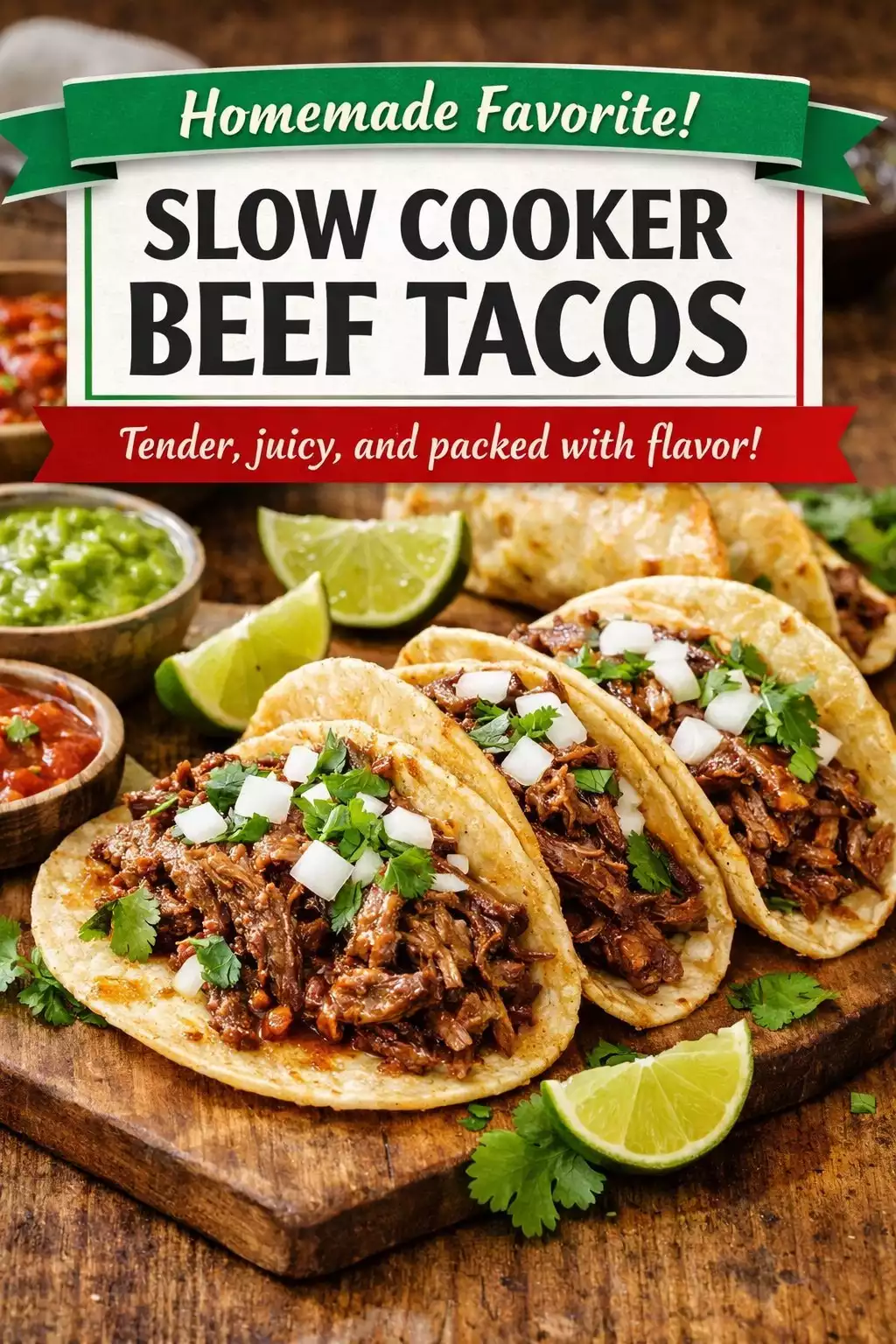
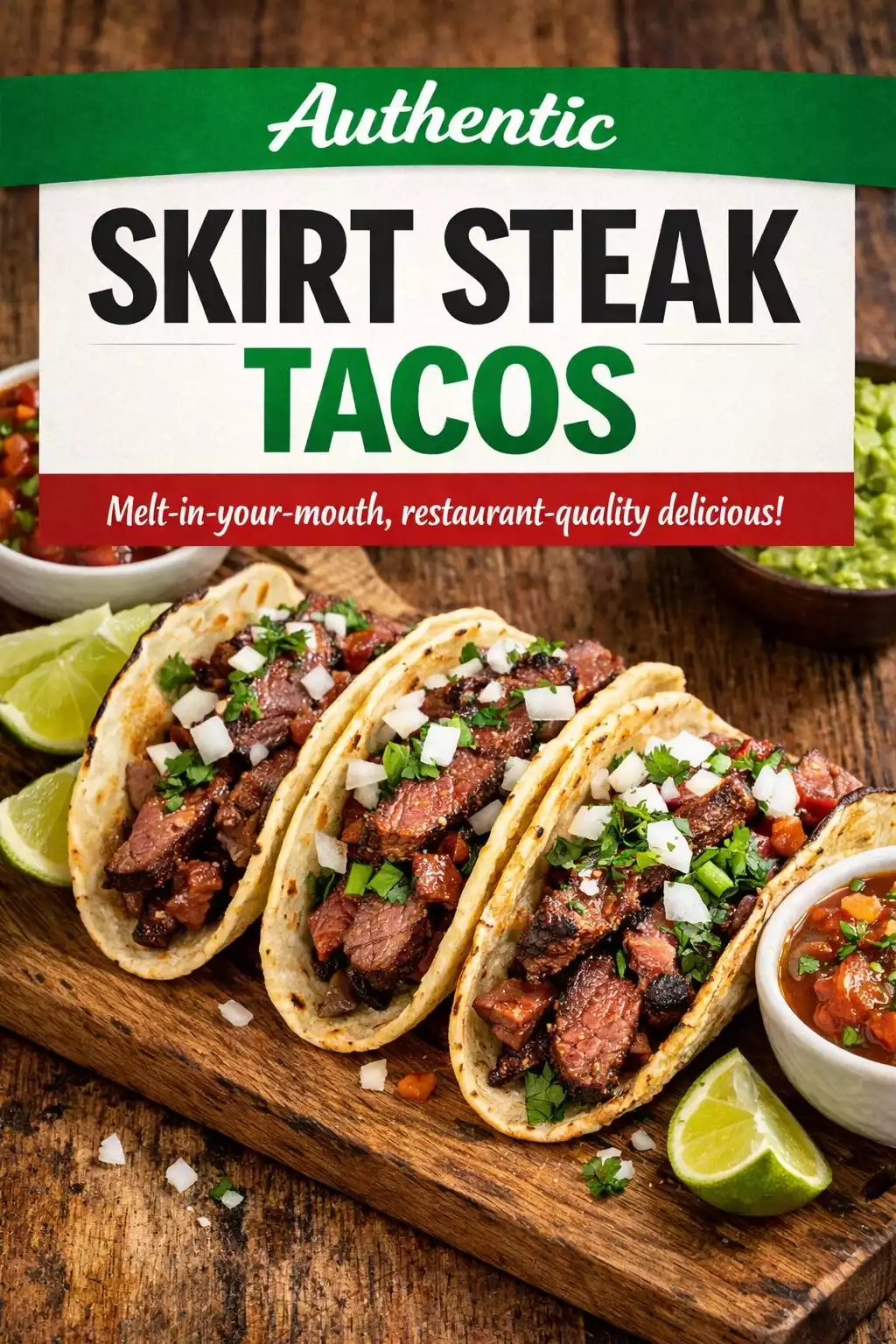
Beef Tacos (Better Than Takeout)
The technique that makes this better than takeout: properly seasoned filling, the right heat, and a tortilla that holds together through the last bite.

Classic Cheeseburgers
Ground beef at the right fat ratio, smashed thin on a hot griddle, with cheese melted under a dome. This is the cheeseburger.
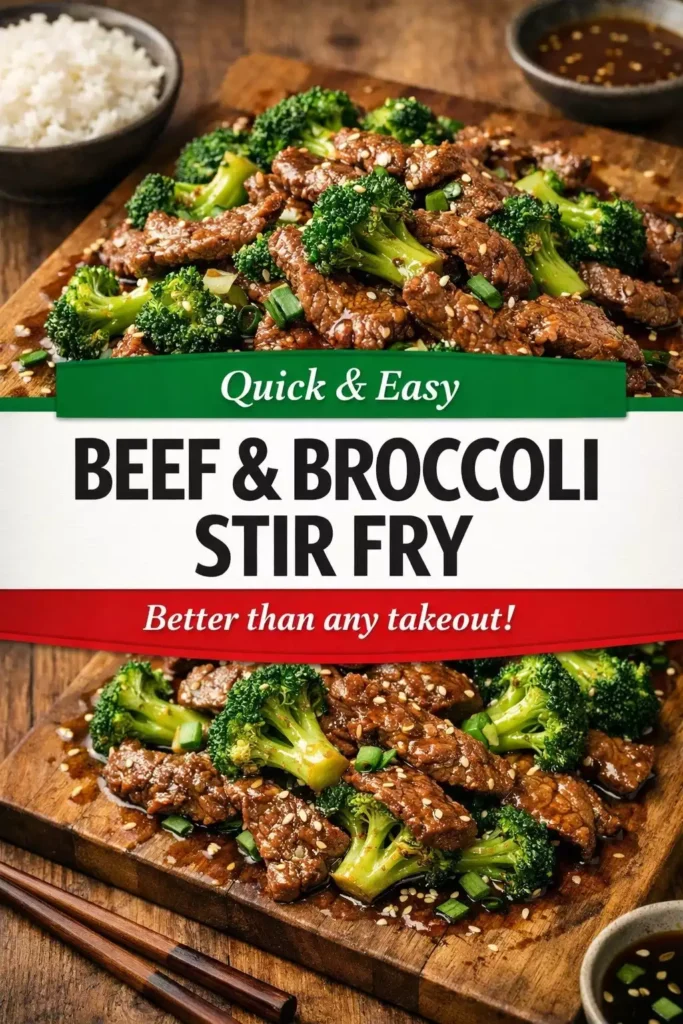
Beef and Broccoli Stir Fry
Beef and Broccoli Stir Fry — the version built on proper technique and real ingredients. Calibrated for consistent results every single time.
Where Most People Blow It
Sear at high heat and don’t rush. The Maillard crust is the foundation of every beef dish in this collection. A light gray surface produces nothing. A deep mahogany crust produces everything.
Room temperature meat sears better. Cold beef straight from the refrigerator drops the pan temperature and extends the sear time without improving the crust. Thirty minutes on the counter makes a difference.
Pat the beef dry before searing. Surface moisture creates steam, which prevents browning. Paper towels, thirty seconds, and a completely dry surface that actually sears instead of steaming.
Fat equals flavor. Every beef cut that braises well has fat in it. Don’t trim it before cooking — it renders and bastes the meat from inside. Trim after if you must.
Rest before slicing. Five minutes for thin cuts, fifteen for thick roasts. The juices redistribute during rest and stay in the meat when you slice it instead of running across the cutting board.
Frequently Asked Questions
What cut of beef is best for braising?
Chuck roast — consistently. The marbling and connective tissue break down over long cooking and produce a tender, richly flavored result. Leaner cuts become dry and stringy in a braise. Fat is the point.
How do I know when a roast is done?
For pot roast and braised cuts, done means fork-tender — the meat yields to a fork with no resistance. An internal temperature of 195-205°F for braised beef means the collagen has converted to gelatin. Below that and the meat is still tough.
What’s the secret to great recipe for beef stew?
Heat and patience in the right order. High heat for the initial sear — deep, mahogany, all sides. Then low heat and time for whatever comes after. Every beef recipe in this collection follows that sequence.
Should I sear before or after slow cooking?
Before. Always before. Searing a pot roast or braising cut first builds the Maillard crust that provides the foundation of flavor for the entire braising liquid. Skipping the sear produces a pale, one-dimensional braise.
All Recipes In This Collection
Classic Beef Stew
Best Meatloaf Recipe
Juicy Homemade Meatballs
Easy Ground Beef Dinners Roundup
Sunday Pot Roast
Classic Beef Stroganoff
Hamburger Steak with Onion Gravy
Beef Tacos (Better Than Takeout)
Classic Cheeseburgers
Beef and Broccoli Stir Fry
Related collections: Pasta Recipes · Chicken Recipes · Potato Recipes · Easy Dinner Recipes · Rice Recipes