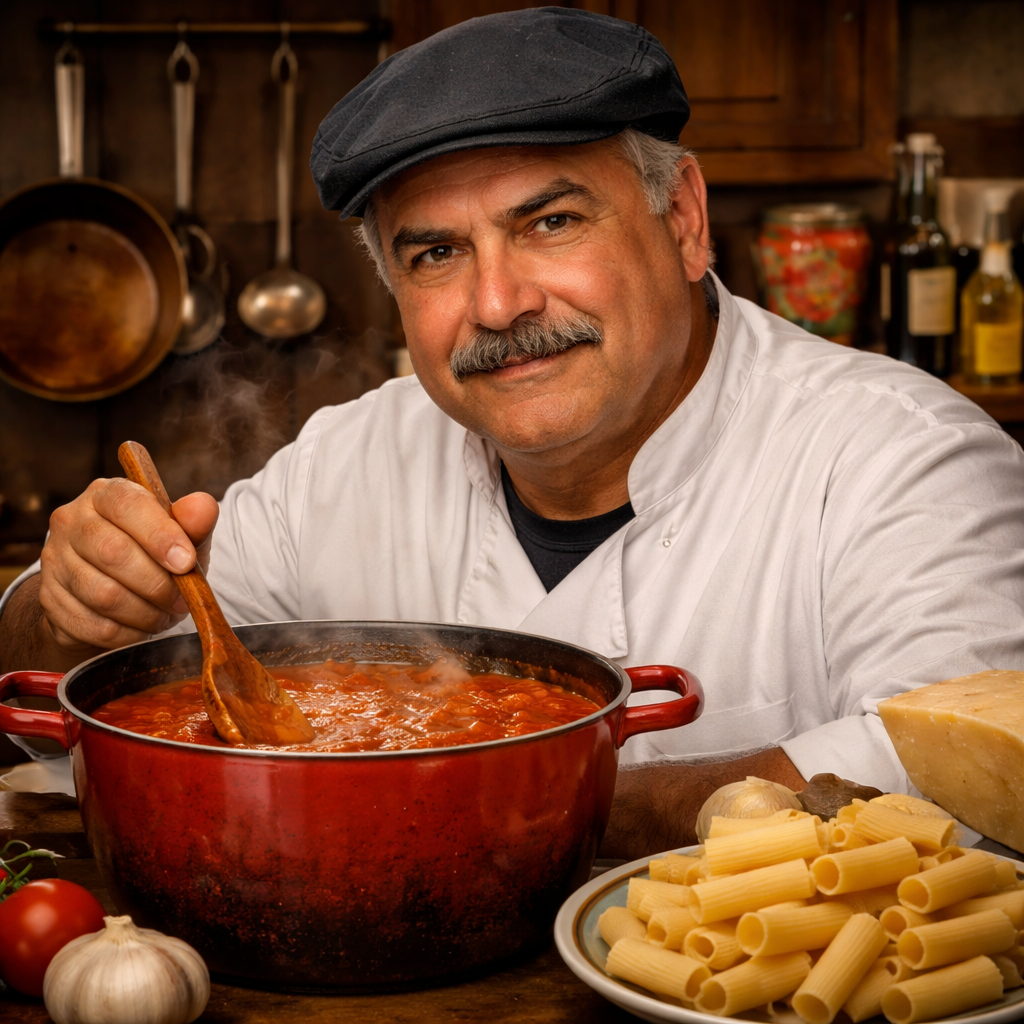
PAllora — let’s talk about this. 6 Pork Recipes — from weeknight pork chops to all-day slow-cooked shoulders. Pork is the most versatile protein in any cook’s repertoire and the most underappreciated. My family grew up eating pork in every form — from Sunday roast to sausage in the gravy — and I spent thirty years cooking it professionally at every price point. The range of what pork can do, from a twenty-minute tenderloin to a twelve-hour smoked shoulder, is unmatched by any other protein.
Pork is no longer the protein it was when the “cook it to 160°F” rule was absolute. The USDA updated its safe temperature guidance in 2011 — 145°F with a three-minute rest is now the standard for whole cuts. That change produced better pork: pink, juicy, and properly cooked rather than the gray, dried-out product that previous generations were taught to serve. Every recipe in this collection reflects that updated standard.
Piano piano — you rush this, you ruin it. Every recipe in this collection was built with the same attention to why techniques work — not just what the steps are. Understanding the why is how you cook consistently instead of occasionally.
Bravo. Now you’re cooking. Use this collection as your reference point and come back to it.
Recipes In This Collection

Southern Smothered Pork Chops
The pork that doesn’t come out dry — properly cooked to a temperature that keeps the interior juicy while the outside gets color.
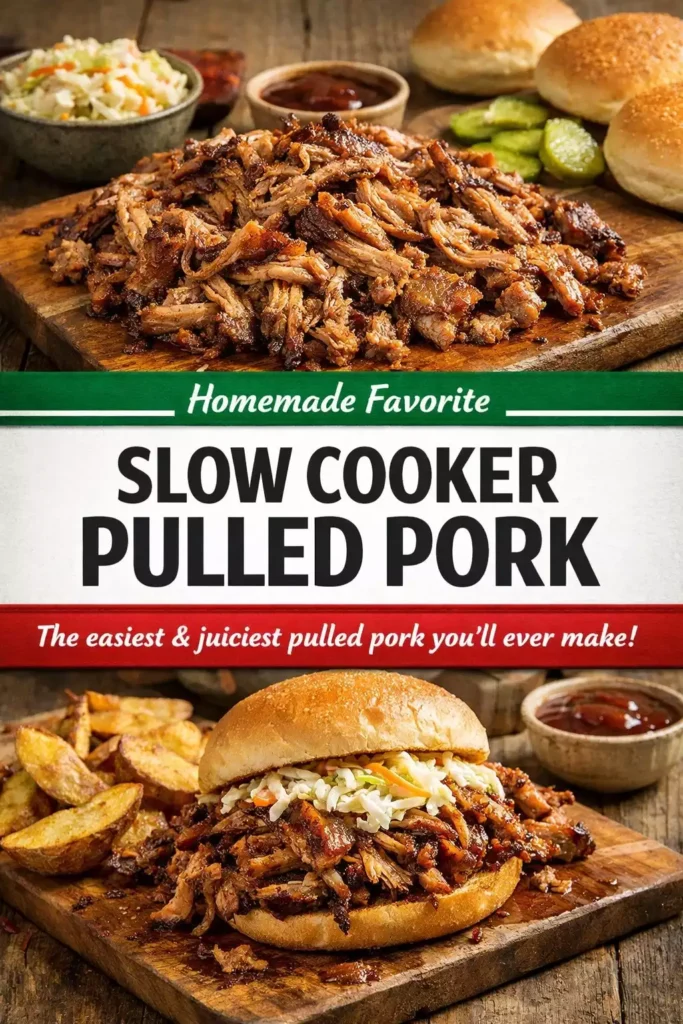
Slow Cooker Pulled Pork
Pork shoulder rubbed and cooked low and slow until it falls apart. The kind of pulled pork that needs nothing — just a fork and some time.
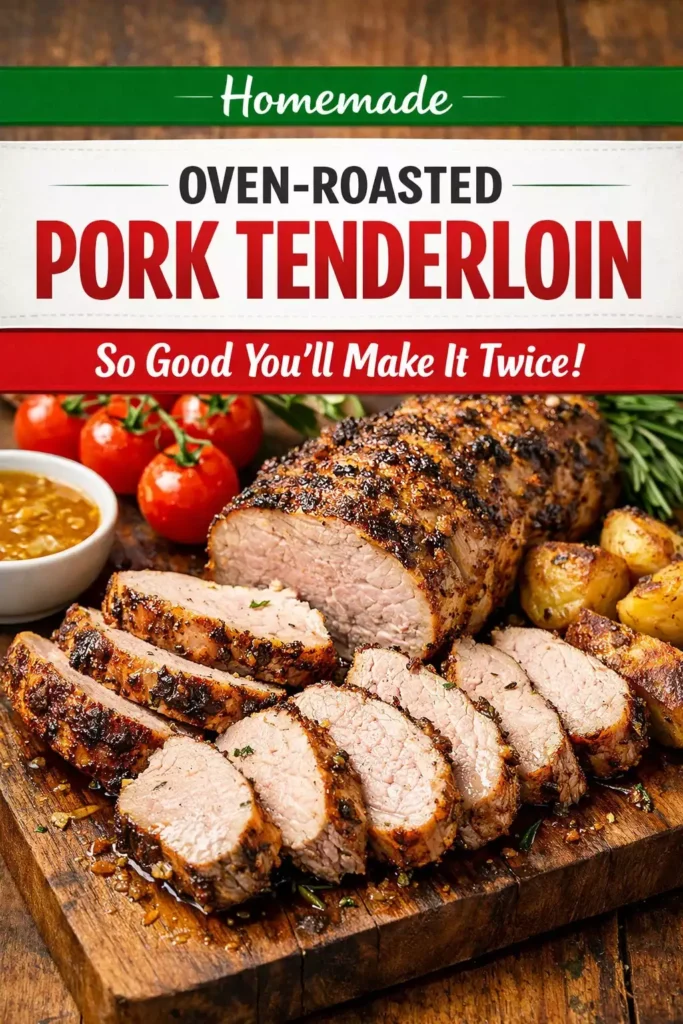
Oven-Roasted Pork Tenderloin
The pork that doesn’t come out dry — properly cooked to a temperature that keeps the interior juicy while the outside gets color.
BBQ Baby Back Ribs
BBQ Baby Back Ribs — the version built on proper technique and real ingredients. Calibrated for consistent results every single time.
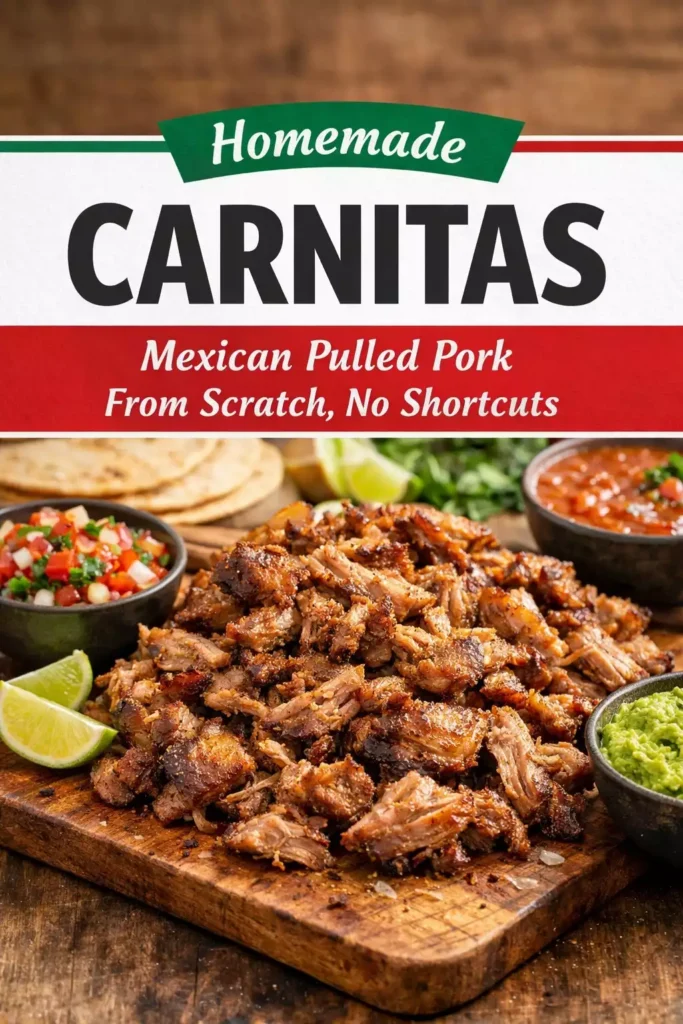
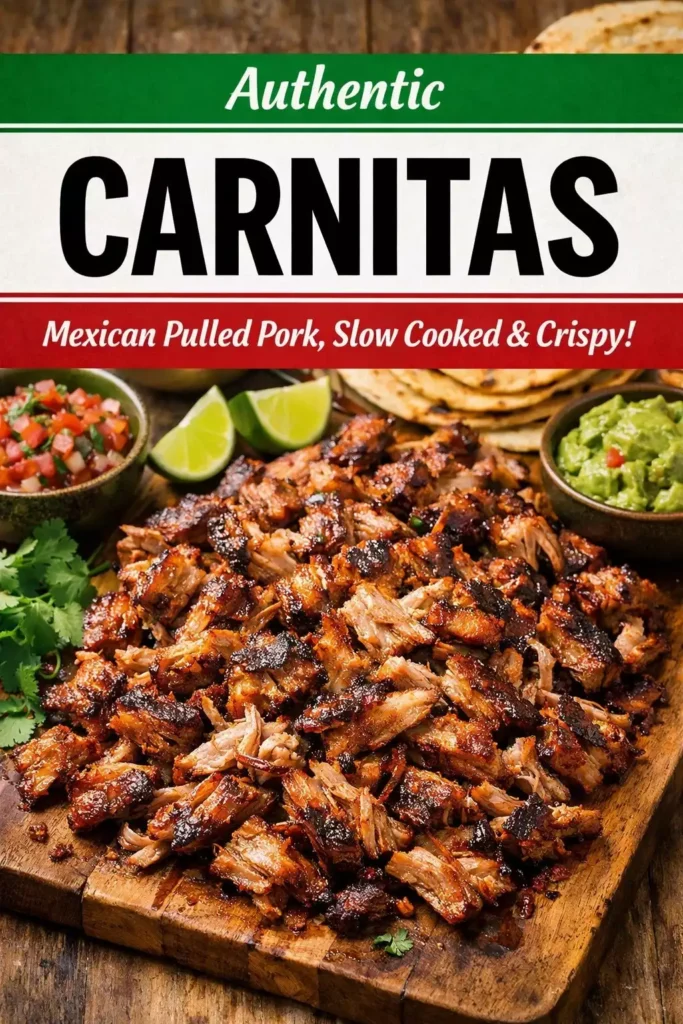
Carnitas (Mexican Pulled Pork)
Pork shoulder rubbed and cooked low and slow until it falls apart. The kind of pulled pork that needs nothing — just a fork and some time.

Sausage Balls (Southern Appetizer)
Sausage Balls (Southern Appetizer) — the version built on proper technique and real ingredients. Calibrated for consistent results every single time.
Where Most People Blow It
Let pork tenderloin rest. Pork tenderloin goes from perfectly juicy to dry in a very short window. Pull it at 140°F, tent with foil, and rest for five minutes. The carryover brings it to 145°F and the rest keeps the moisture where it belongs.
Bone-in pork chops over boneless. The bone conducts heat differently and slows down overcooking. Boneless pork chops have a narrow window between done and dry. Bone-in chops are more forgiving and more flavorful.
Pork shoulder needs fat and time. Chuck is the beef equivalent of pork shoulder: heavily marbled, connective tissue that breaks down slowly, the cut that requires low heat and hours to become what it’s supposed to be. Trying to rush it produces tough, dry results.
Score the fat cap on pork loin. A thick fat cap on a pork loin needs to be scored in a crosshatch pattern before roasting. It renders more evenly and crisps better when cut. An unscored cap stays rubbery.
Season pork shoulder overnight. A dry rub applied the night before and allowed to penetrate gives pork shoulder significantly better flavor than a rub applied right before cooking. The salt begins drawing moisture and then re-absorbing it with flavor compounds.
Frequently Asked Questions
Is pink pork safe to eat?
Yes, since 2011. The USDA updated the safe temperature for whole pork cuts to 145°F with a 3-minute rest. Pink pork at that temperature is safe and significantly better than well-done gray pork.
What’s the best cut for pulled pork?
Pork shoulder (also called pork butt or Boston butt) — the marbling and connective tissue break down during long cooking into the rich, moist texture that makes pulled pork what it is. No other cut produces the same result.
How do I keep pork chops from drying out?
Brine them first (30-60 minutes in salted water). Cook at medium-high heat, pull at 140-145°F, and rest covered for five minutes. Thick chops (1 inch or more) have more margin than thin ones.
Can I freeze pulled pork?
Yes — it’s one of the best proteins to freeze. Cool completely, store in airtight freezer bags or containers with some braising liquid to prevent drying, and freeze up to three months. Thaw overnight and reheat gently.
All Recipes In This Collection
Southern Smothered Pork Chops
Slow Cooker Pulled Pork
Oven-Roasted Pork Tenderloin
BBQ Baby Back Ribs
Carnitas (Mexican Pulled Pork)
Sausage Balls (Southern Appetizer)
Related collections: Pasta Recipes · Chicken Recipes · Beef Recipes · Potato Recipes · Easy Dinner Recipes