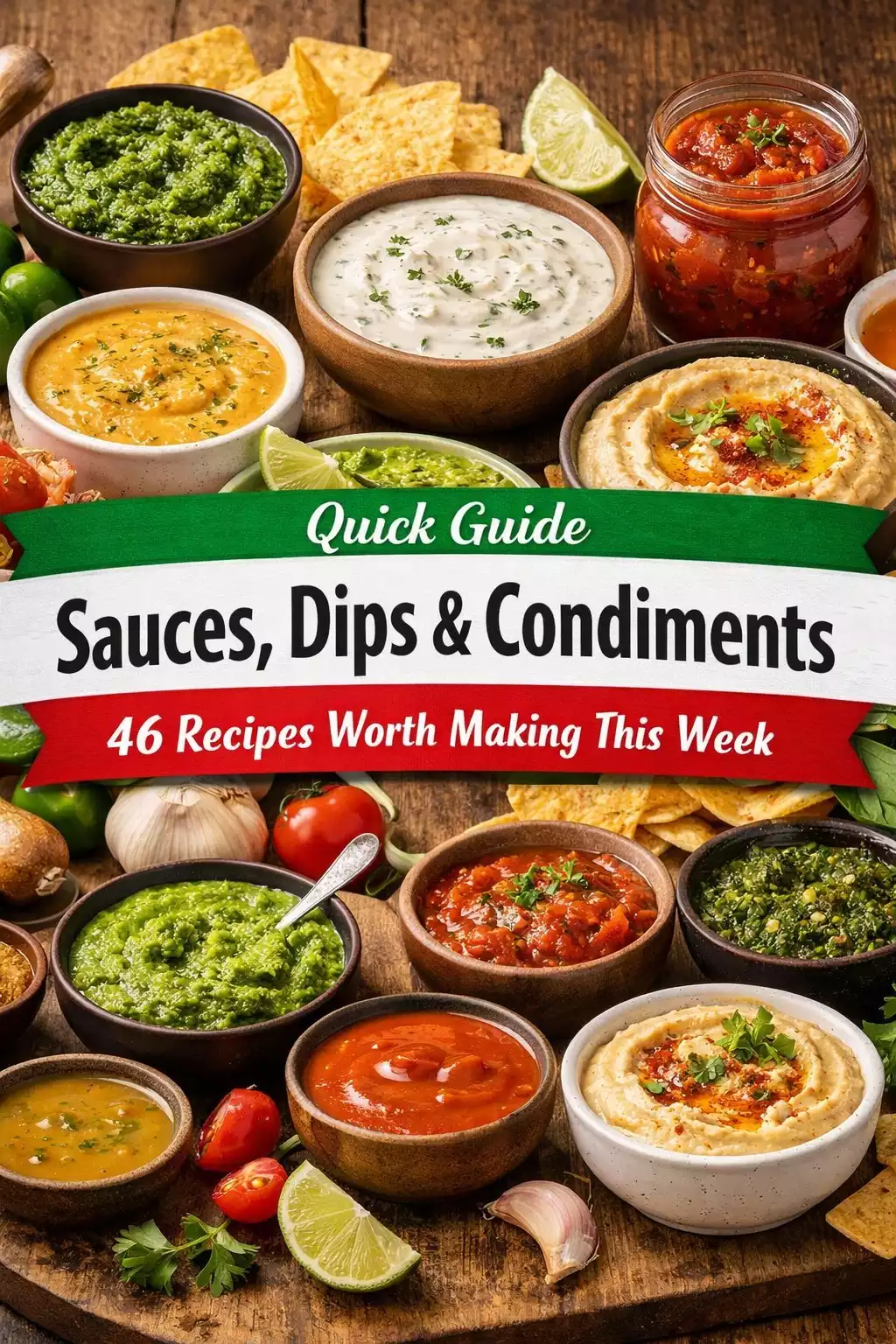
SStop what you’re doing. The sauces and condiments that make everything else taste intentional. Most home cooks underestimate the sauce — treat it as an afterthought, a jar from the store, a packet from the spice aisle. Every professional cook knows that the sauce is where the food happens. A properly made pan sauce or a fresh basil pesto changes the entire character of the dish it sits under.
Every sauce in this collection was built to be made from scratch because scratch versions of these condiments are categorically better than their commercial equivalents — not marginally, but completely. Homemade ranch made with fresh herbs and real buttermilk tastes like ranch is supposed to taste. Commercial ranch tastes like approximation.
Non-negotiable. Every recipe in this collection was built with the same discipline that defines thirty years of professional cooking: understand why the technique works, follow the steps that produce the result, and don’t take shortcuts that cost you the dish.
Put this in your rotation. You’ll thank me. Add these to your rotation and cook them until the technique is automatic.
Recipes In This Collection
Homemade Gravy from Scratch
A pan dripping gravy built on a proper roux — smooth, seasoned, and finished to the right consistency. The Sunday gravy that ties everything on the plate together.
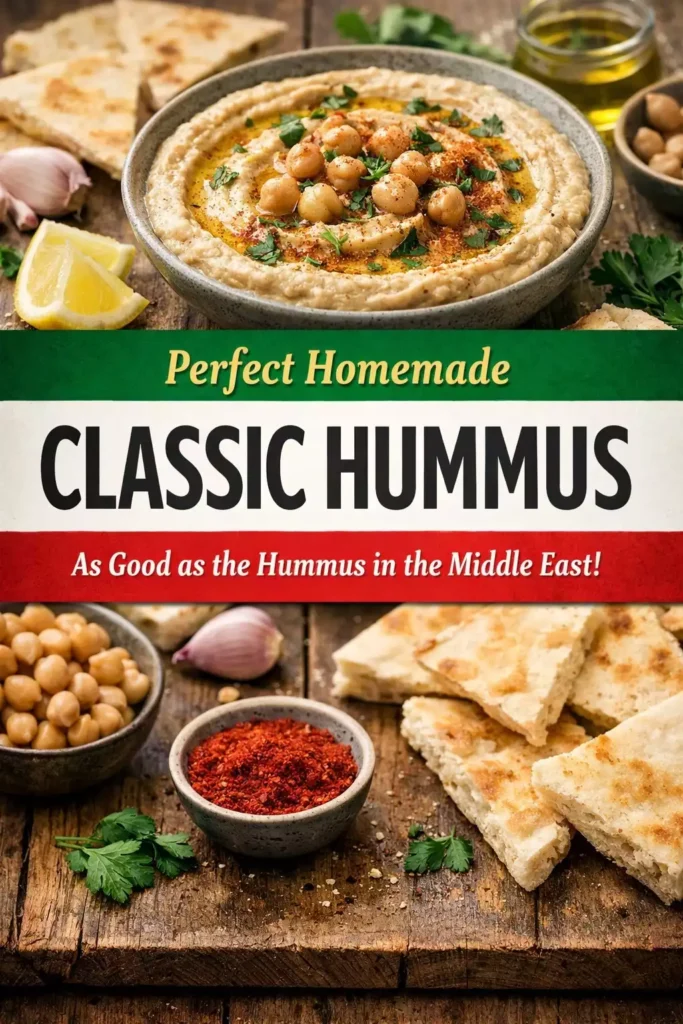
Classic Hummus
Stone-ground chickpeas, tahini, lemon, and garlic — a hummus that’s properly smooth and properly seasoned. Forget the store container after one batch.
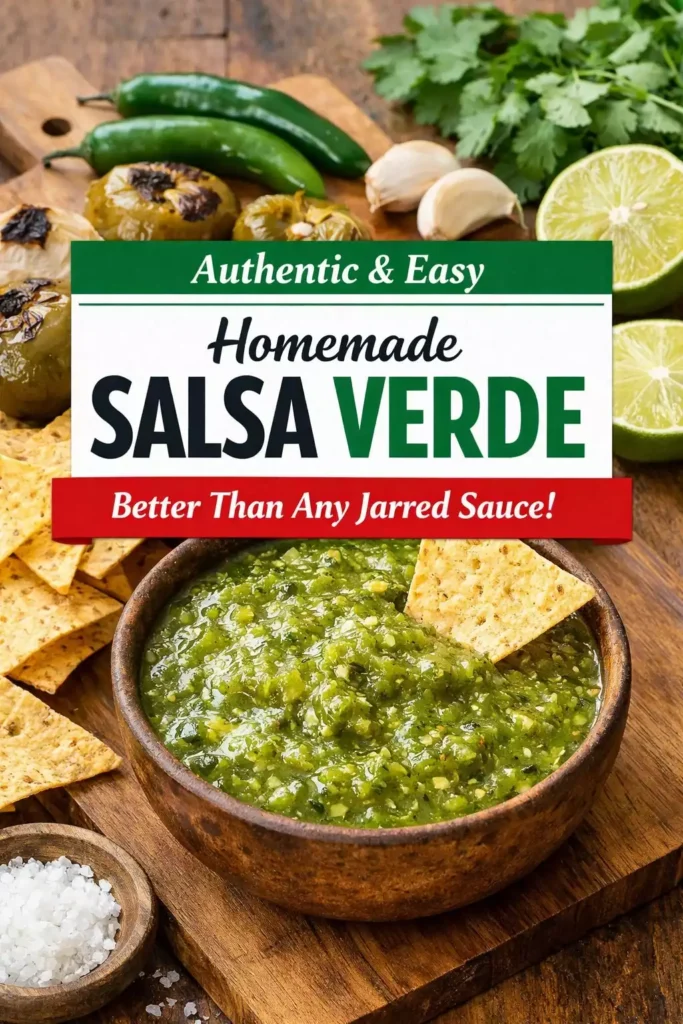
Easy Salsa Verde
Easy Salsa Verde — the version built on proper technique and real ingredients. Calibrated for consistent results every single time.
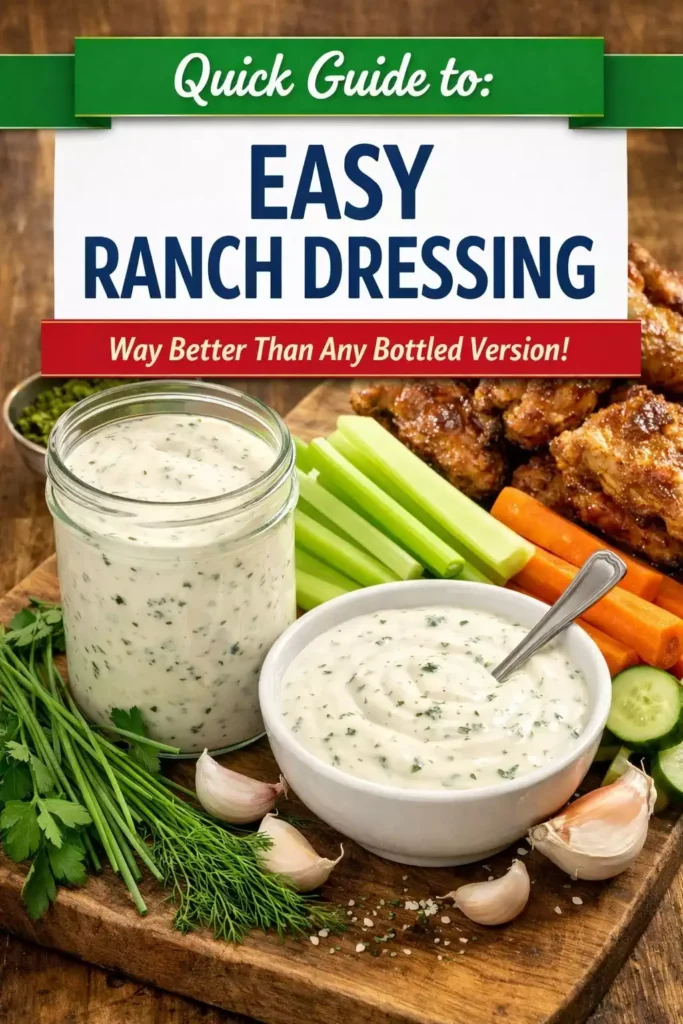
Homemade Ranch Dressing
Homemade Ranch Dressing — the version built on proper technique and real ingredients. Calibrated for consistent results every single time.
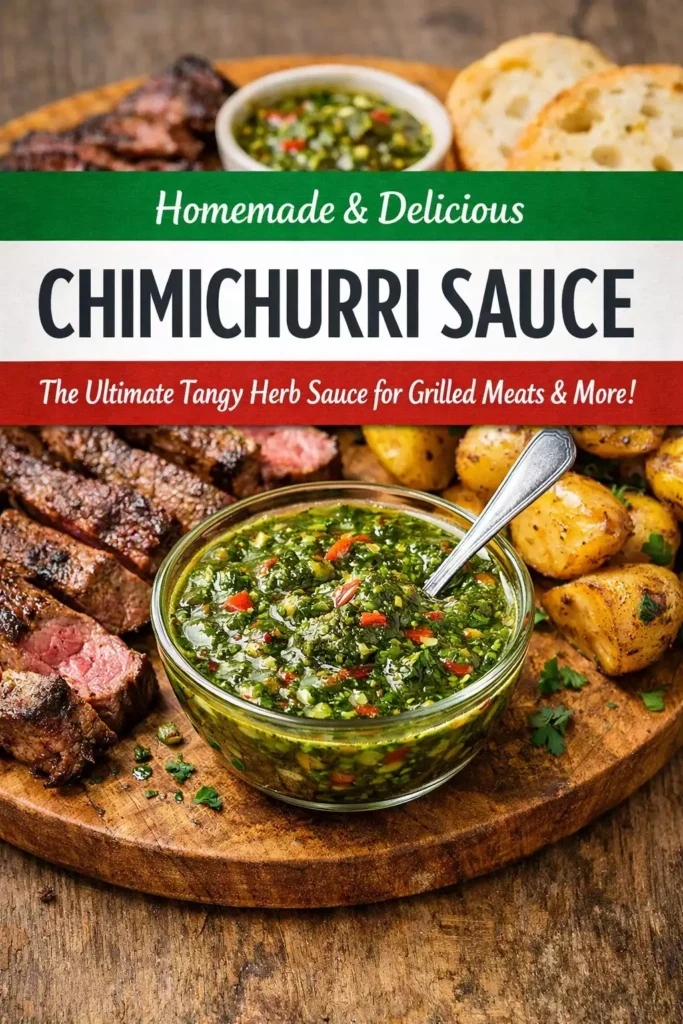
Chimichurri Sauce
A loose herb sauce from Argentina: parsley, oregano, garlic, red wine vinegar, and olive oil. The one condiment that improves everything it touches.
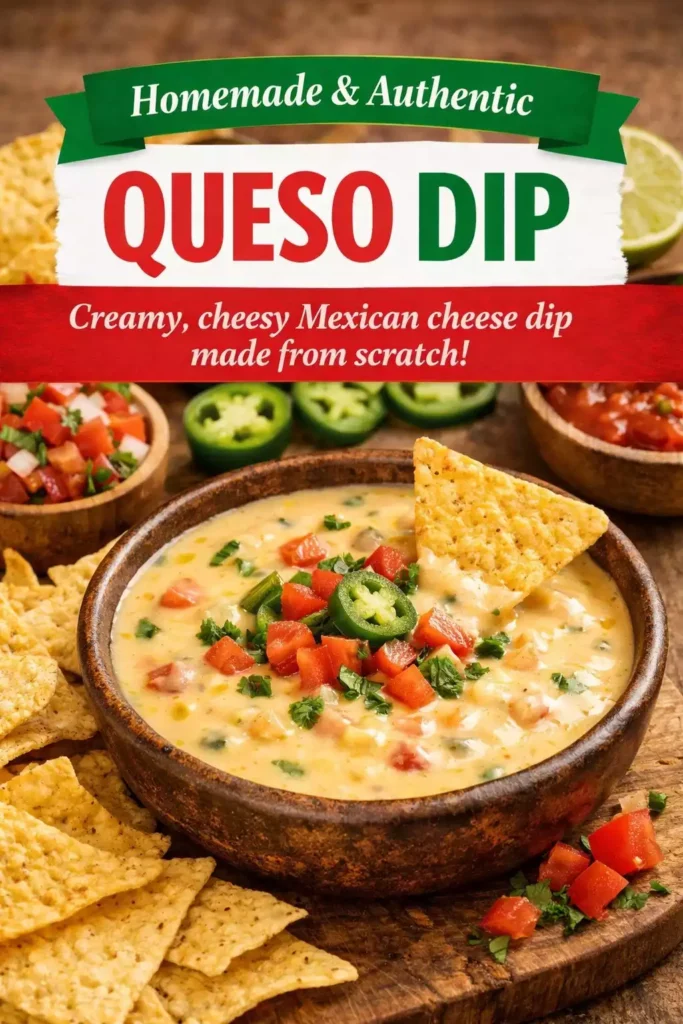
Queso Dip (Mexican Cheese Dip)
Queso Dip (Mexican Cheese Dip) — the version built on proper technique and real ingredients. Calibrated for consistent results every single time.
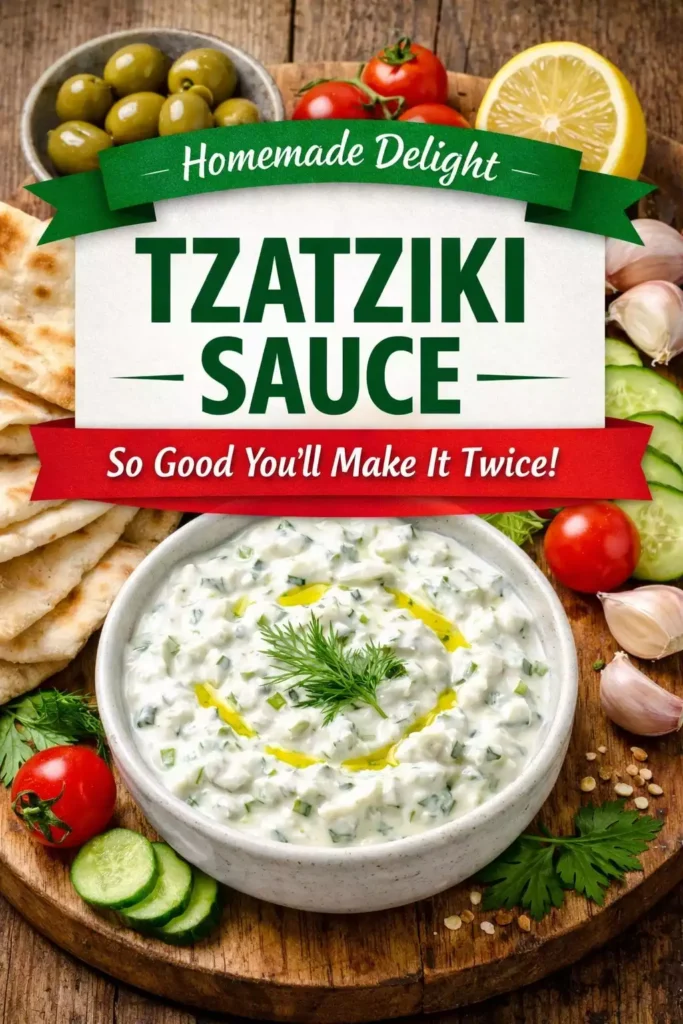
Tzatziki Sauce
Tzatziki Sauce — the version built on proper technique and real ingredients. Calibrated for consistent results every single time.
Pesto from Scratch
Basil, Parmesan, pine nuts, olive oil, garlic — the pesto that requires a food processor and rewards you with the version you’ll never stop making.
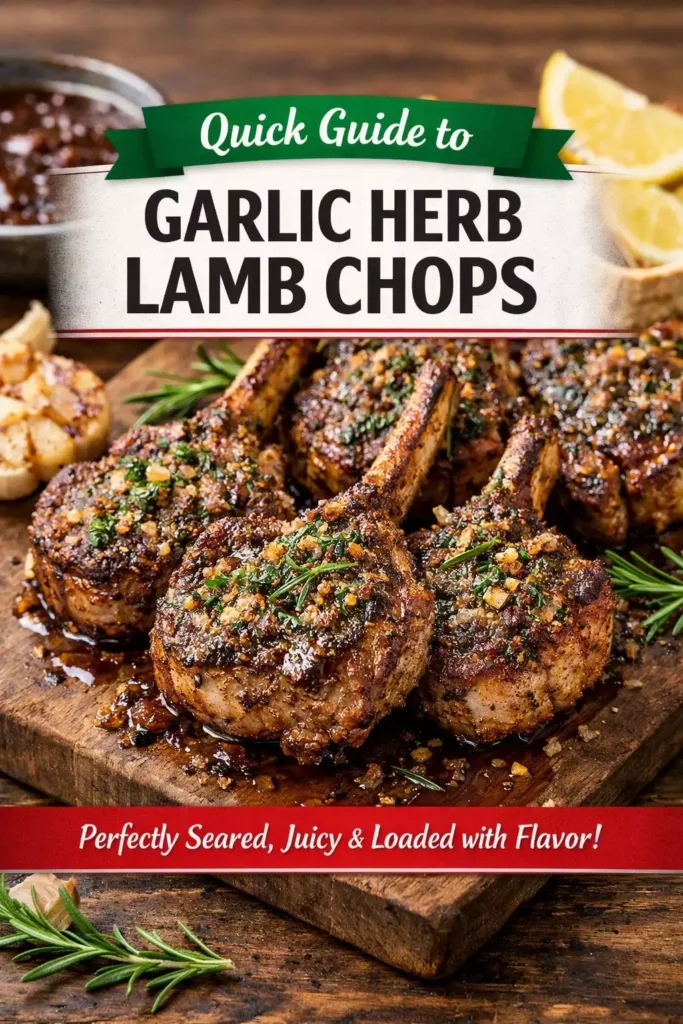
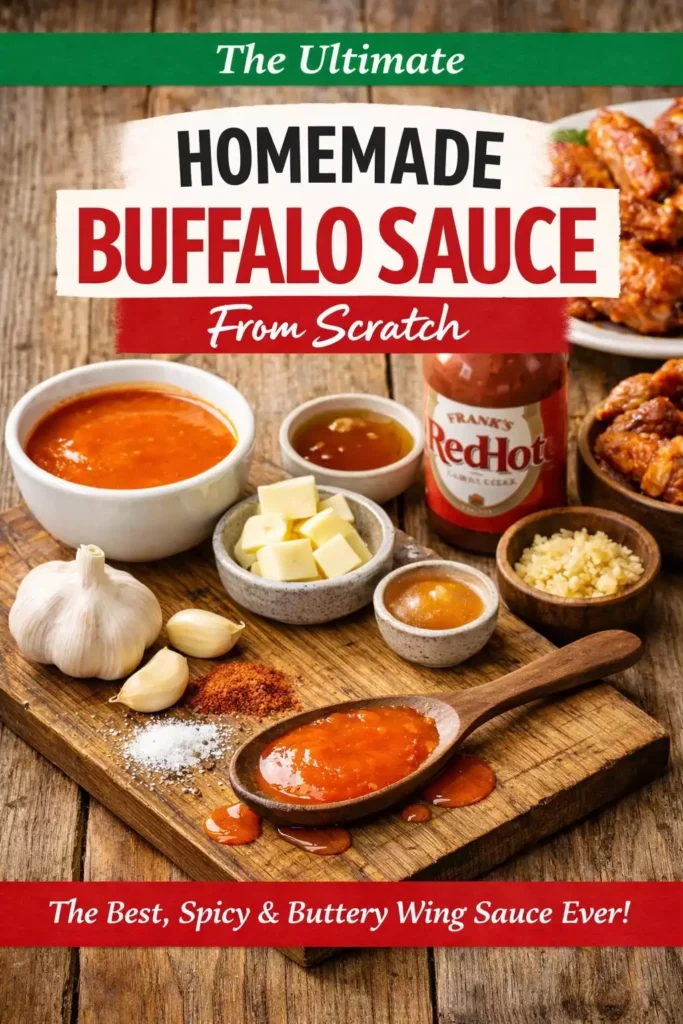
Buffalo Sauce from Scratch
Buffalo Sauce from Scratch — the version built on proper technique and real ingredients. Calibrated for consistent results every single time.
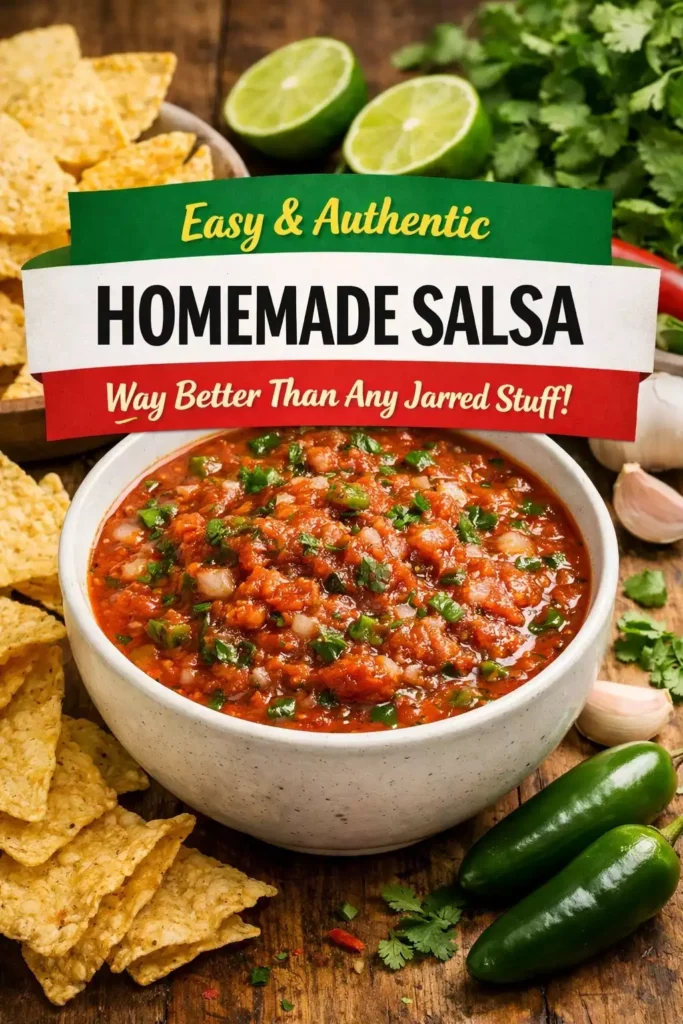
Homemade Gravy from Scratch
A pan dripping gravy built on a proper roux — smooth, seasoned, and finished to the right consistency. The Sunday gravy that ties everything on the plate together.
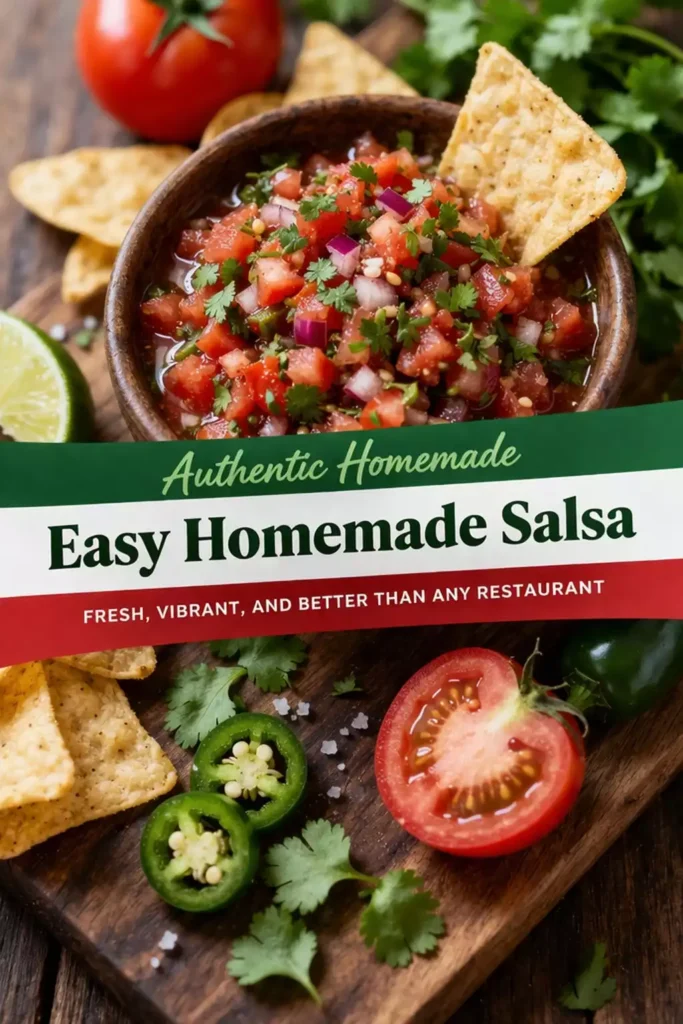
Easy Homemade Salsa
Easy Homemade Salsa — the version built on proper technique and real ingredients. Calibrated for consistent results every single time.
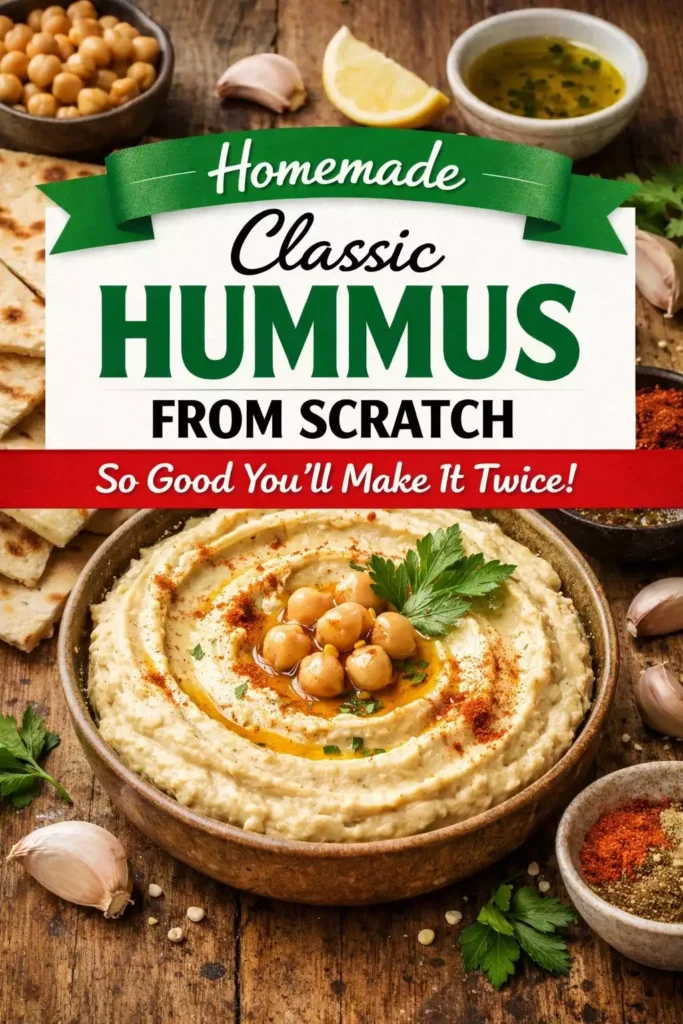
Classic Hummus from Scratch
Stone-ground chickpeas, tahini, lemon, and garlic — a hummus that’s properly smooth and properly seasoned. Forget the store container after one batch.
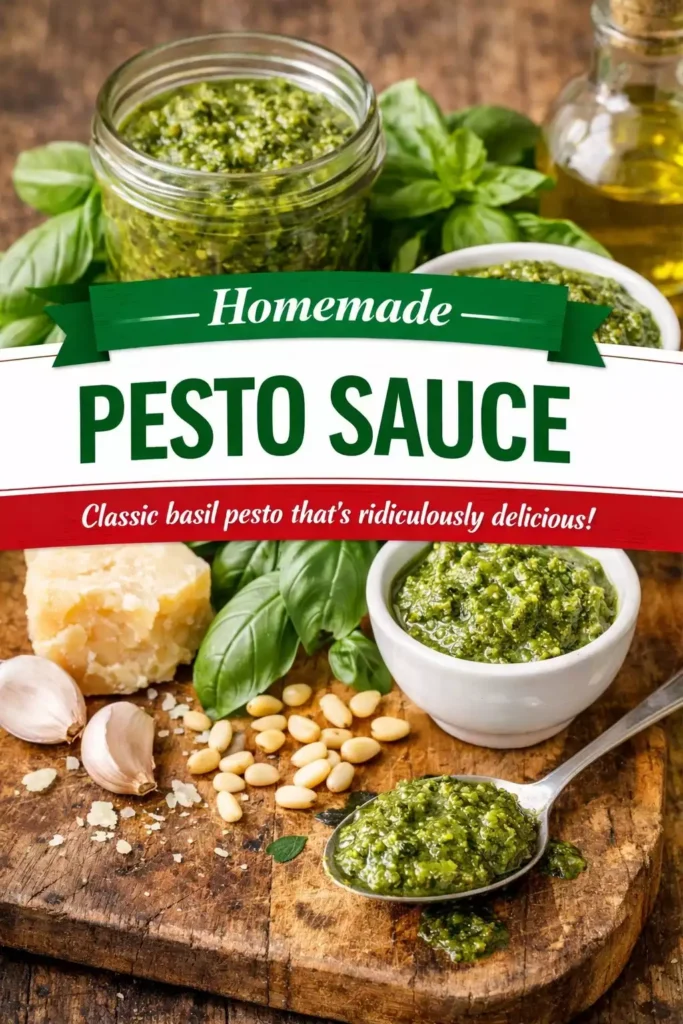
Homemade Pesto (Classic Basil)
Basil, Parmesan, pine nuts, olive oil, garlic — the pesto that requires a food processor and rewards you with the version you’ll never stop making.
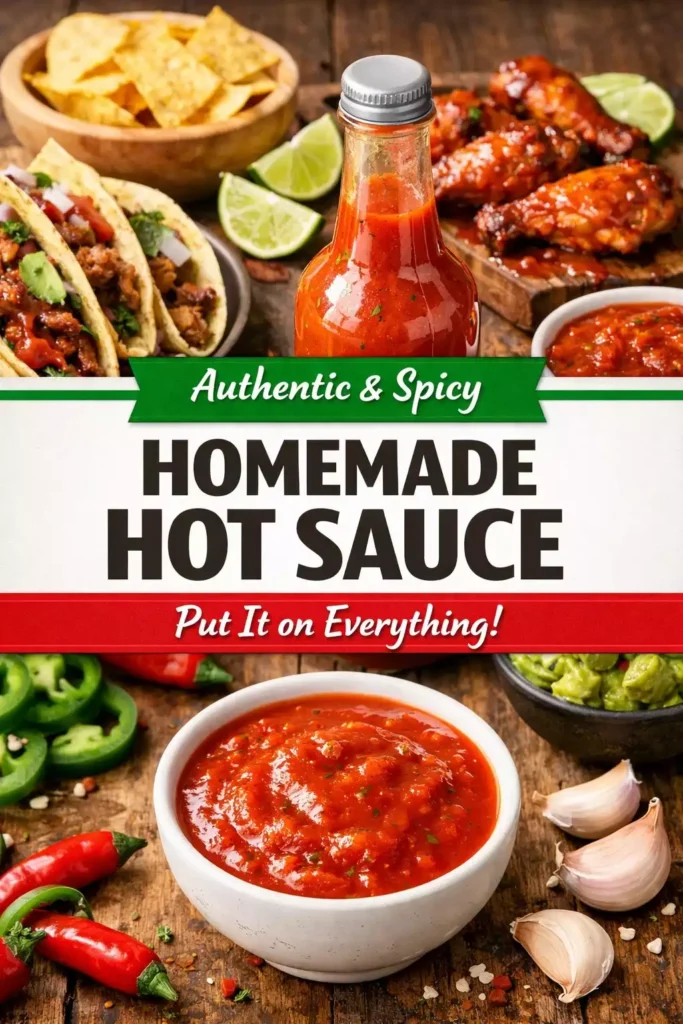
Homemade Hot Sauce
Homemade Hot Sauce — the version built on proper technique and real ingredients. Calibrated for consistent results every single time.
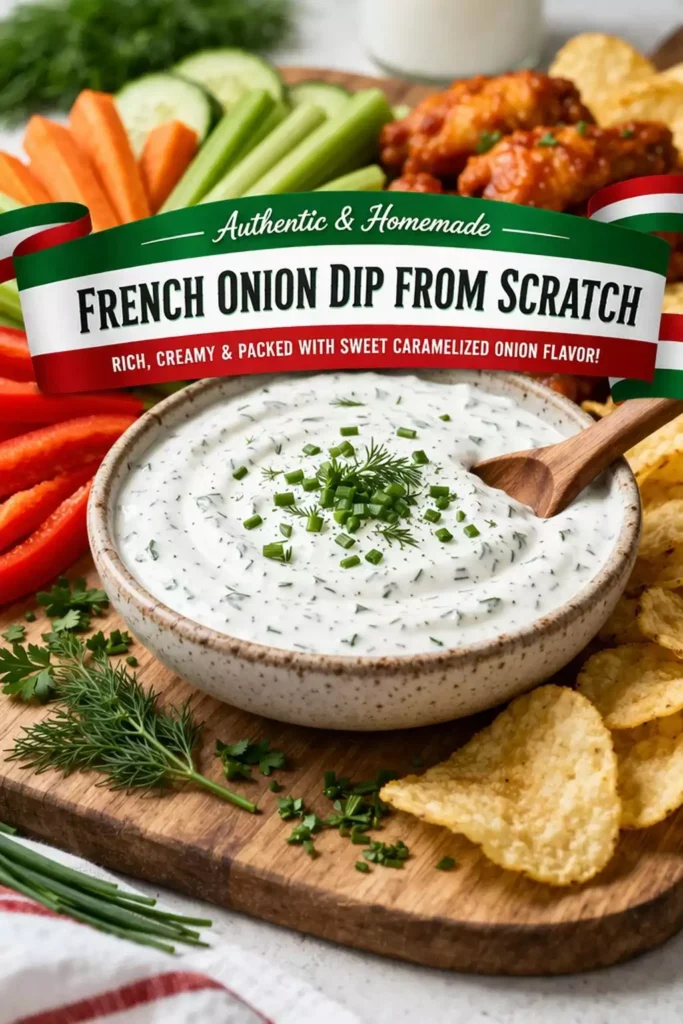
French Onion Dip from Scratch
French Onion Dip from Scratch — the version built on proper technique and real ingredients. Calibrated for consistent results every single time.
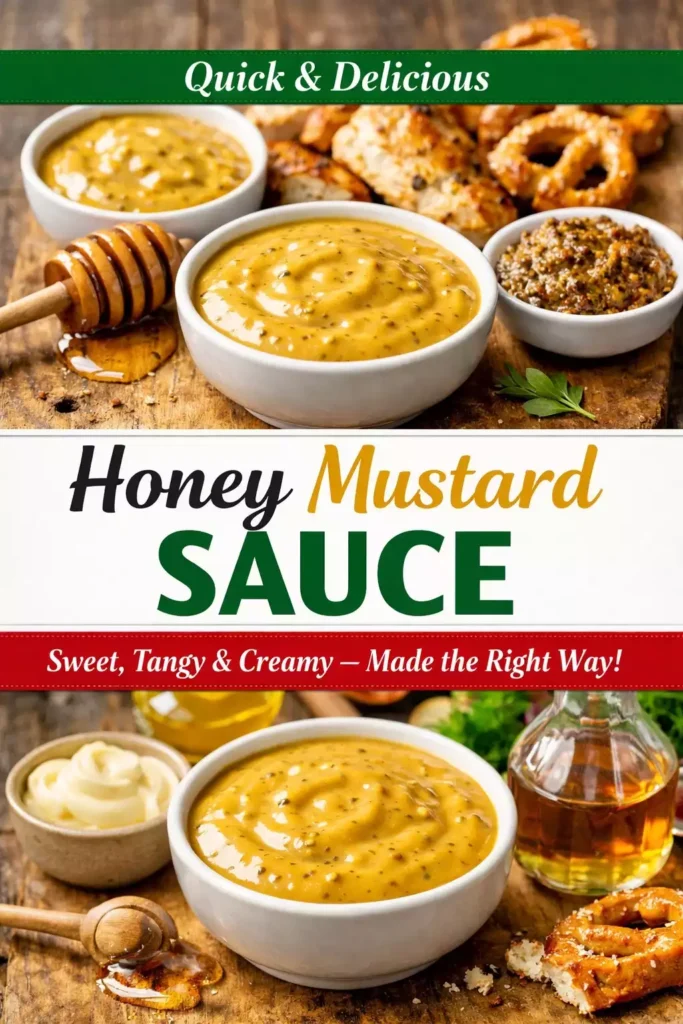
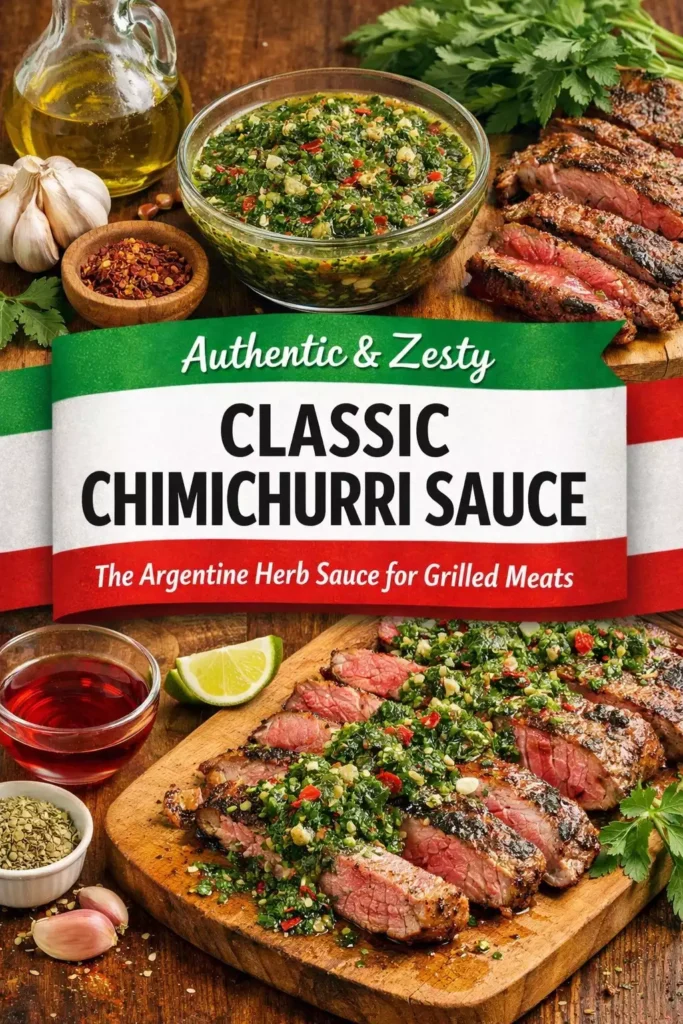
Classic Chimichurri Sauce
A loose herb sauce from Argentina: parsley, oregano, garlic, red wine vinegar, and olive oil. The one condiment that improves everything it touches.
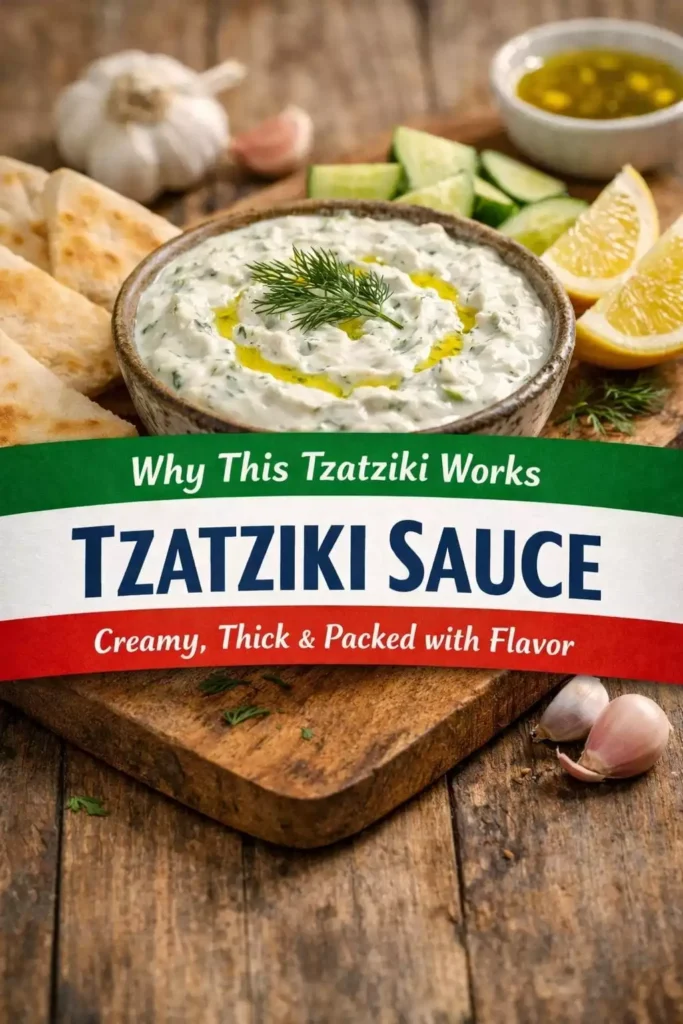
Honey Mustard Sauce
Honey Mustard Sauce — the version built on proper technique and real ingredients. Calibrated for consistent results every single time.
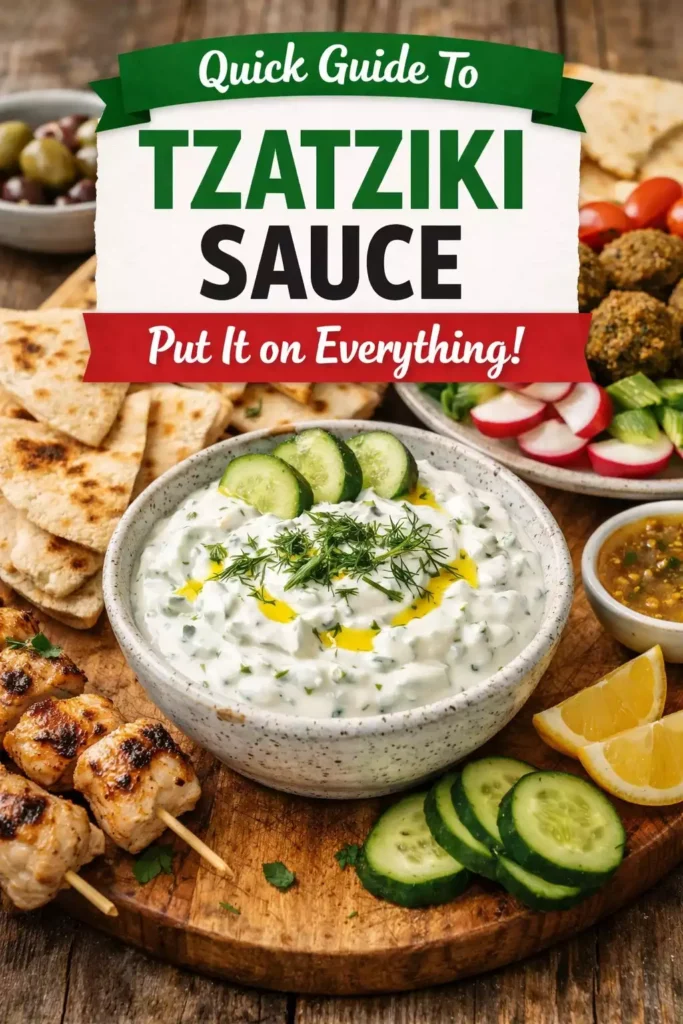
Tzatziki Sauce
Tzatziki Sauce — the version built on proper technique and real ingredients. Calibrated for consistent results every single time.
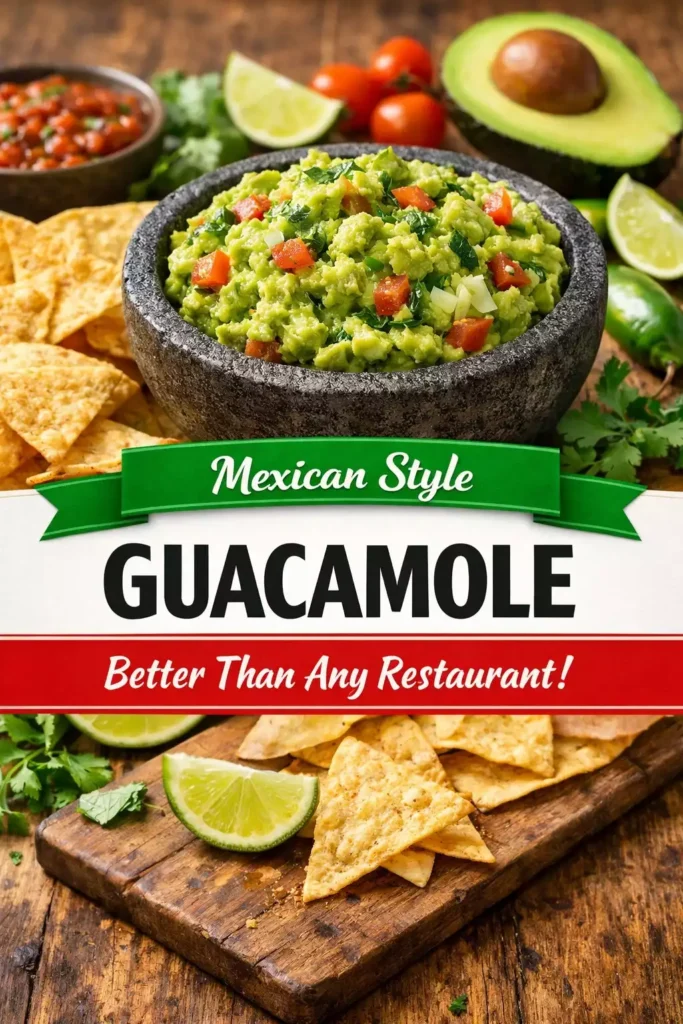
Guacamole (Restaurant Style)
Guacamole (Restaurant Style) — the version built on proper technique and real ingredients. Calibrated for consistent results every single time.
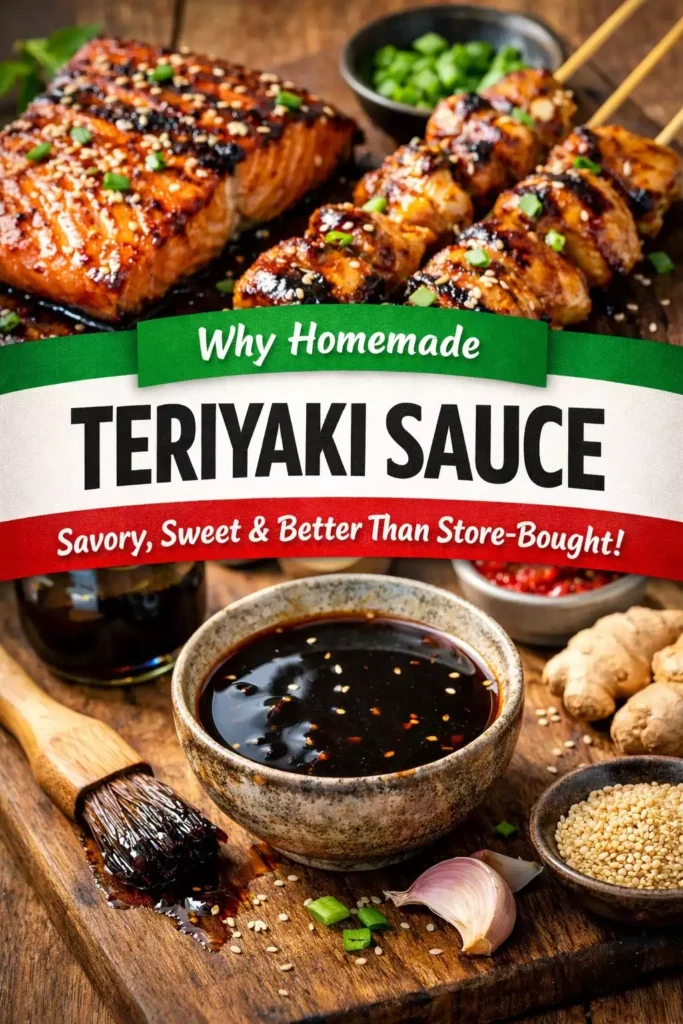
Béarnaise Sauce
Béarnaise Sauce — the version built on proper technique and real ingredients. Calibrated for consistent results every single time.
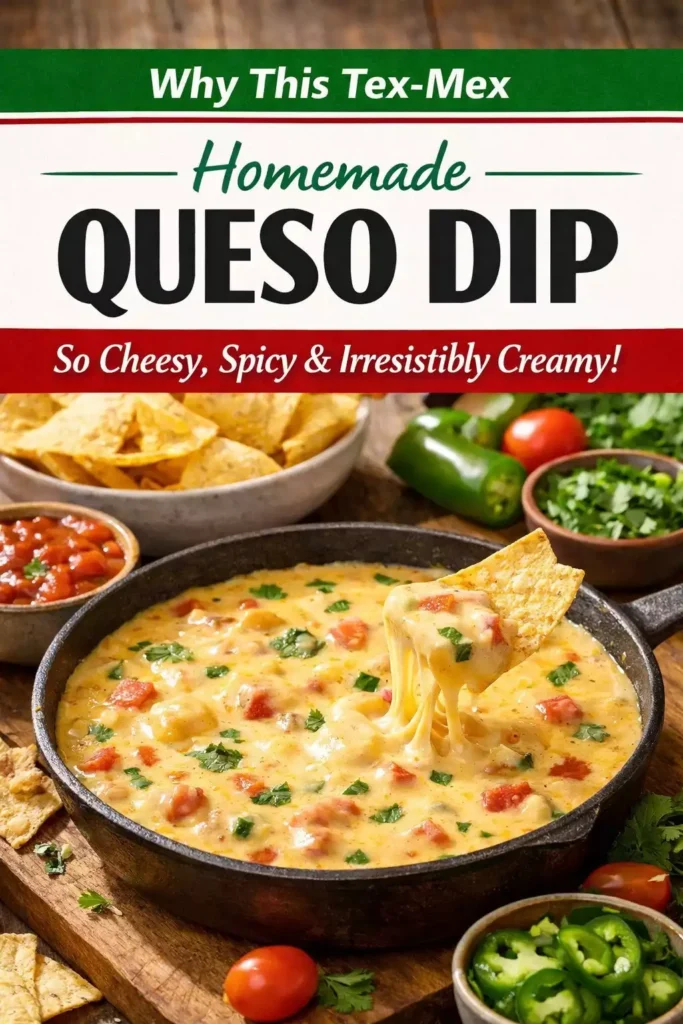
Homemade Teriyaki Sauce
Homemade Teriyaki Sauce — the version built on proper technique and real ingredients. Calibrated for consistent results every single time.
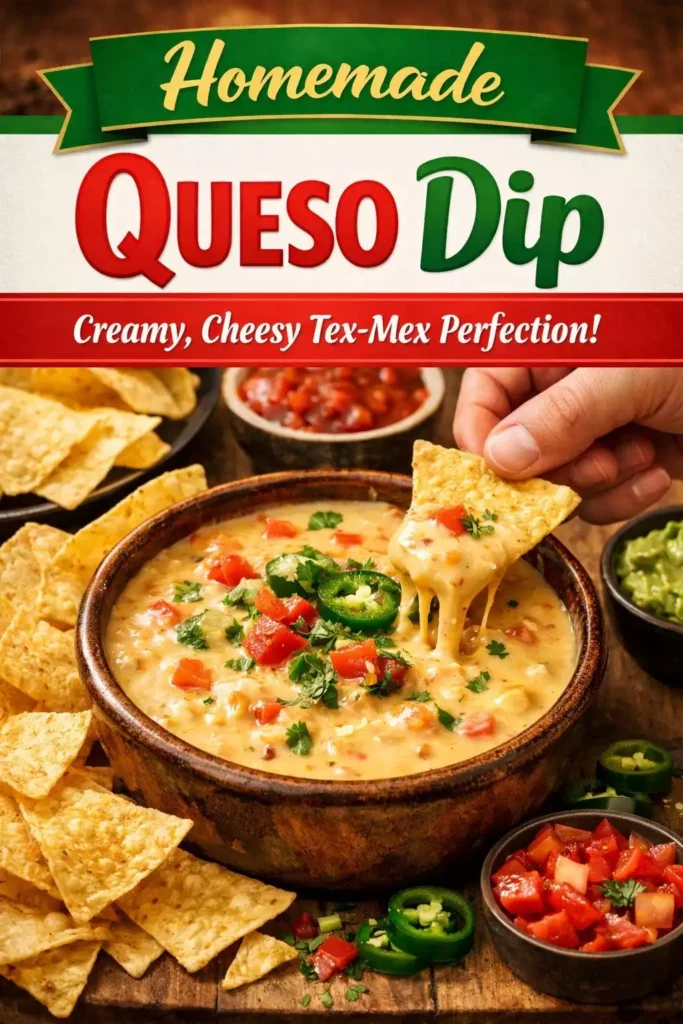
Queso Dip (Tex-Mex)
Queso Dip (Tex-Mex) — the version built on proper technique and real ingredients. Calibrated for consistent results every single time.
Where Most People Blow It
Season the base, not just the finish. A hollandaise that tastes good needs properly seasoned clarified butter going into the emulsification. A vinaigrette needs seasoned acid before the oil goes in. Season at every stage, not just at the end.
Acid brightens everything. A squeeze of lemon or a splash of vinegar at the finish of any sauce sharpens and clarifies the flavors. If a sauce tastes flat, acid is usually the answer.
Taste with the food it accompanies. Taste a sauce on the food it will serve — not on a spoon alone. A dip that tastes slightly underseasoned on a spoon will taste right on a chip. A sauce that tastes perfect alone may be too aggressive on delicate fish.
Fat carries flavor. Oil-based sauces need enough fat to carry the aromatics. Too little oil in a chimichurri produces something dry and chunky. The right fat proportion produces something that coats and delivers.
Make it ahead. Most sauces improve with time. Chimichurri, tzatziki, hummus, ranch — all taste better after a few hours in the refrigerator. Make them the day before for a party.
Frequently Asked Questions
How long do homemade condiments keep?
Most oil-based sauces (pesto, chimichurri, ranch): 5-7 days refrigerated. Dairy-based (tzatziki, ranch): 4-5 days. Tomato-based salsas: 5-7 days. Label everything with the date.
Can I freeze homemade sauces?
Pesto freezes exceptionally well — freeze in ice cube trays and transfer to bags. Oil-based sauces generally freeze well. Dairy-based sauces (ranch, tzatziki) do not — the dairy separates on thawing.
What makes homemade better than store-bought?
Freshness, quality of ingredients, and absence of preservatives. Store-bought sauces are formulated for shelf stability, not optimal flavor. Homemade is built for flavor only.
How do I thicken a sauce that’s too thin?
Reduce it. Return to medium heat and simmer uncovered, stirring occasionally, until it reaches the consistency you want. Reduction concentrates flavor as well as thickening — almost always the better answer than a starch slurry.
All Recipes In This Collection
Homemade Gravy from Scratch
Classic Hummus
Easy Salsa Verde
Homemade Ranch Dressing
Chimichurri Sauce
Queso Dip (Mexican Cheese Dip)
Tzatziki Sauce
Pesto from Scratch
Buffalo Sauce from Scratch
Homemade Gravy from Scratch
Easy Homemade Salsa
Classic Hummus from Scratch
Homemade Pesto (Classic Basil)
Homemade Hot Sauce
French Onion Dip from Scratch
Classic Chimichurri Sauce
Honey Mustard Sauce
Tzatziki Sauce
Guacamole (Restaurant Style)
Béarnaise Sauce
Homemade Teriyaki Sauce
Queso Dip (Tex-Mex)
Related collections: Sauces Dips Condiments · Seasonings Marinades Frostings