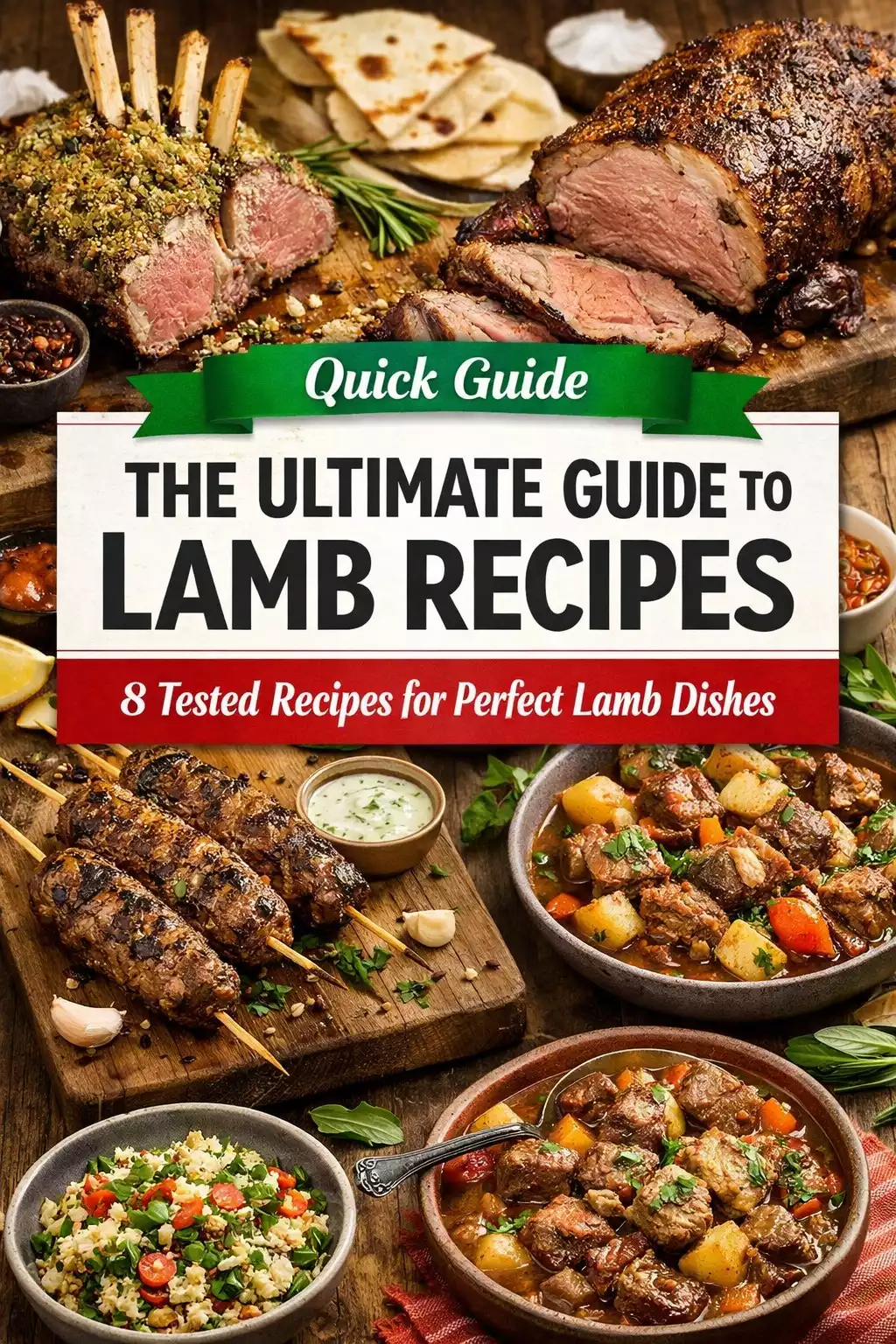
LAscolta — listen to me. Eight lamb recipes — from a fifteen-minute weeknight chop to a slow-roasted leg that takes most of a Sunday afternoon. Lamb is the protein that intimidates home cooks who haven’t cooked much of it, and it shouldn’t. The flavor is assertive, yes — that’s the point. Lamb that tastes mild isn’t lamb done right. It’s lamb that has been underseasoned or mishandled. Every recipe in this collection leans into what lamb actually is.
The key to lamb at every preparation is matching the cut to the method. Lamb chops: high heat, fast, medium-rare. Leg of lamb: long, slow heat or high-blast roasting depending on the size. Braised lamb: low and slow with aromatics that can hold up to the strong flavor. Ground lamb: seasoned aggressively, cooked quickly. These distinctions are in every recipe here.
End of discussion. Every recipe in this collection was built with the same discipline that defines thirty years of professional cooking: understand why the technique works, follow the steps that produce the result, and don’t take shortcuts that cost you the dish.
Make it once. You’ll never go back. Add these to your rotation and cook them until the technique is automatic.
Recipes In This Collection
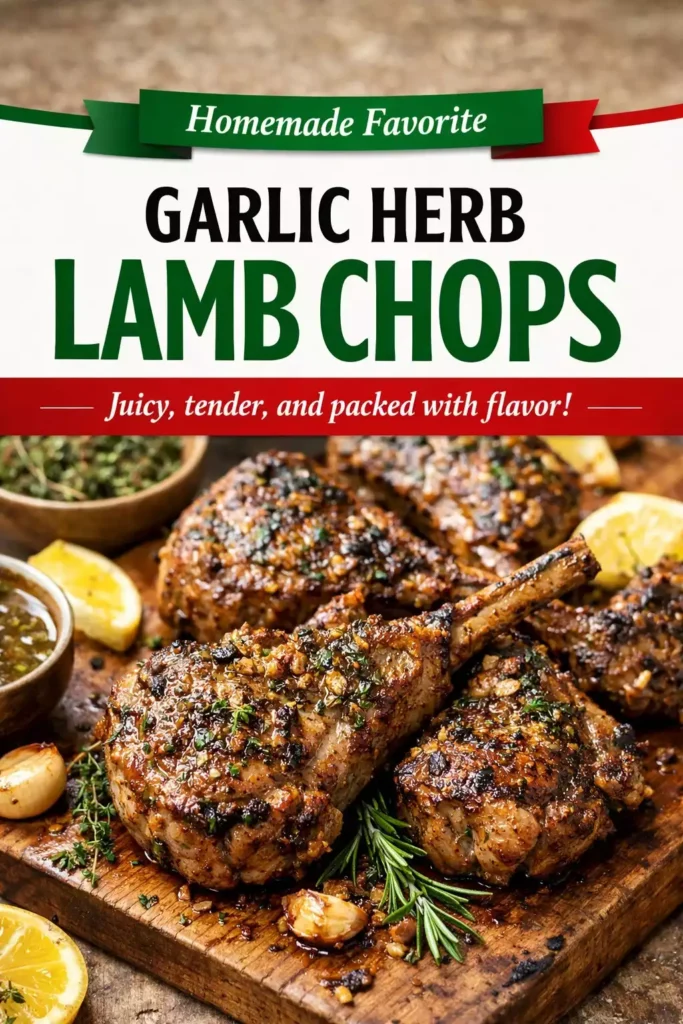
Garlic Herb Lamb Chops
Lamb chops seared in a cast-iron pan with garlic and rosemary — the timing that keeps them pink in the middle and properly crusted outside.
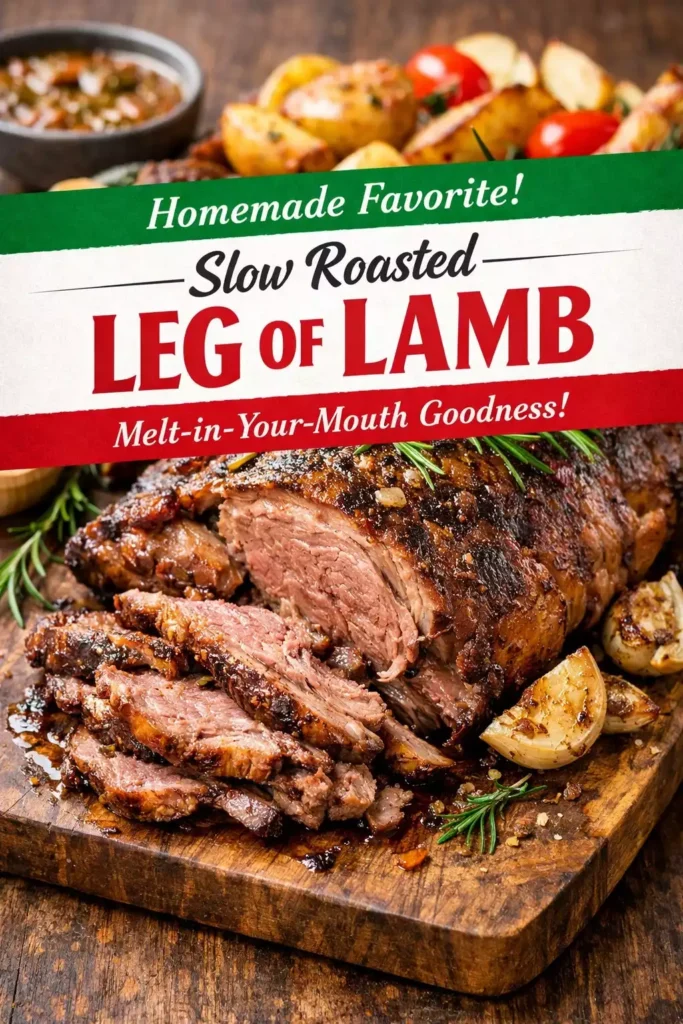
Slow Roasted Leg of Lamb
A bone-in leg of lamb slow-roasted until the meat pulls away from the bone. The Sunday project that feeds a table and fills the house.
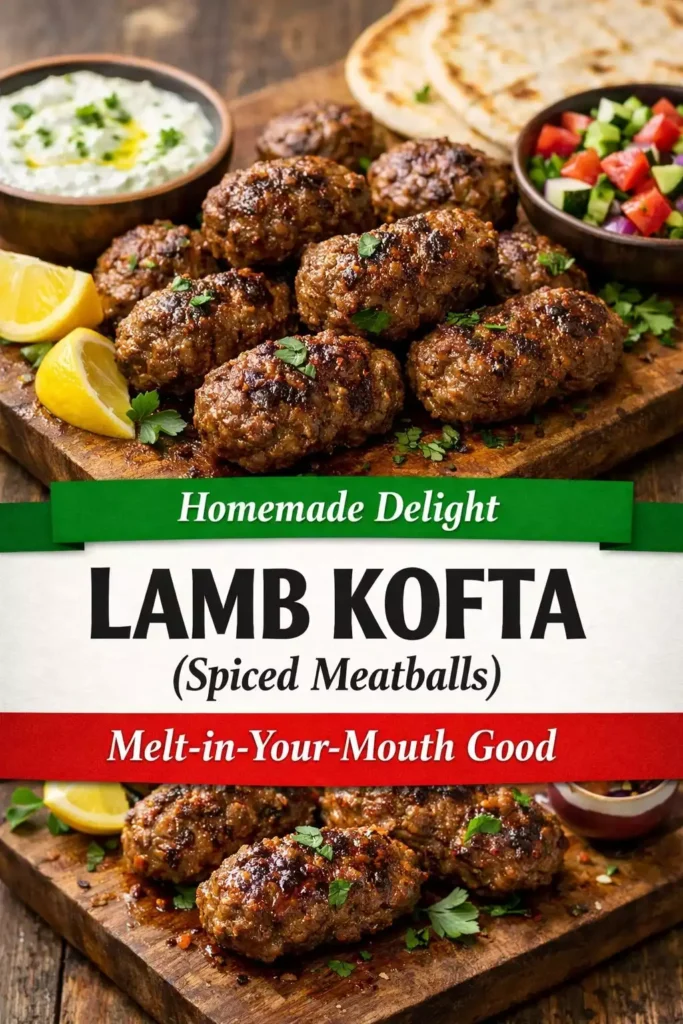
Lamb Kofta (Spiced Meatballs)
The meatball question — answered. Proper fat ratio, the right binders, and a technique that keeps them tender all the way through.
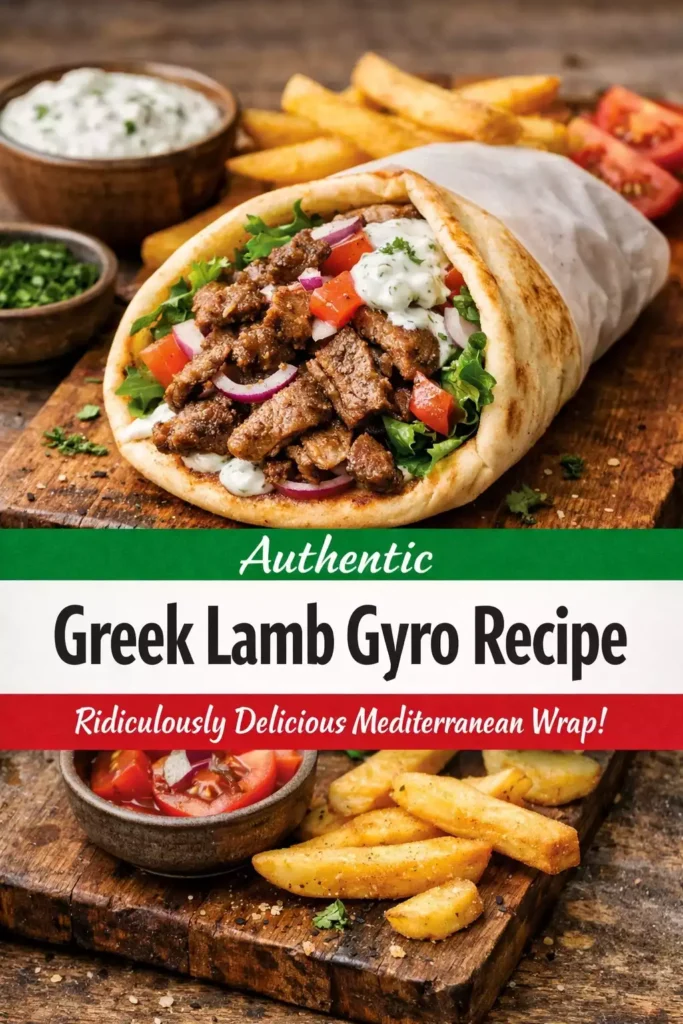
Greek Lamb Gyro
Greek Lamb Gyro — the version built on proper technique and real ingredients. Calibrated for consistent results every single time.
Irish Lamb Stew
Built low and slow, with a broth or base that develops flavor over time — the kind of dish that gets better the longer you leave it alone.
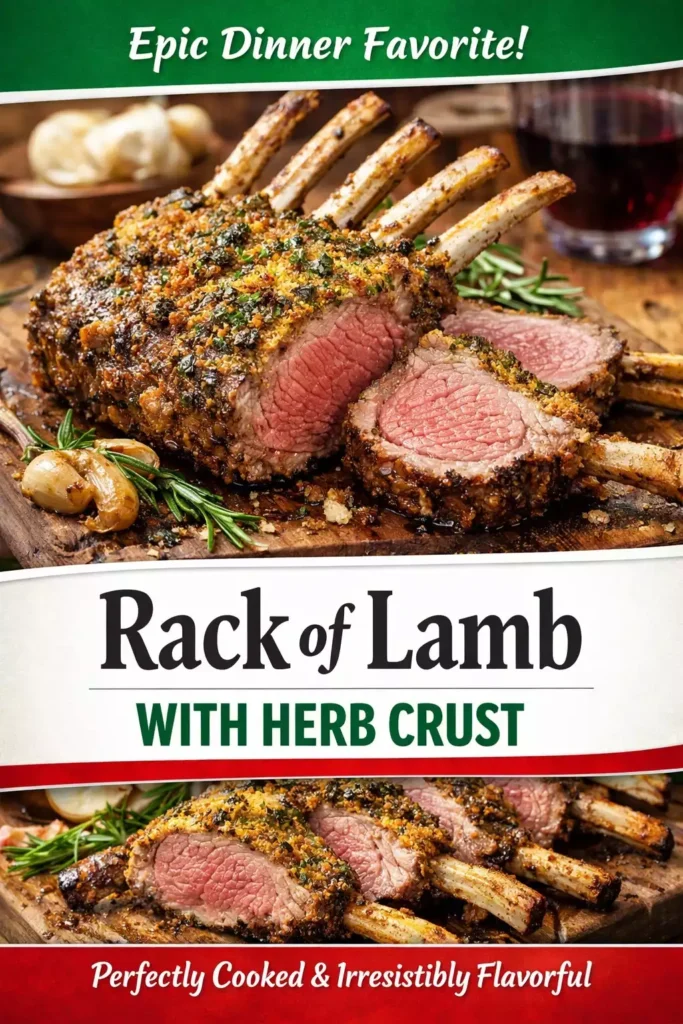
Rack of Lamb with Herb Crust
Rack of Lamb with Herb Crust — the version built on proper technique and real ingredients. Calibrated for consistent results every single time.
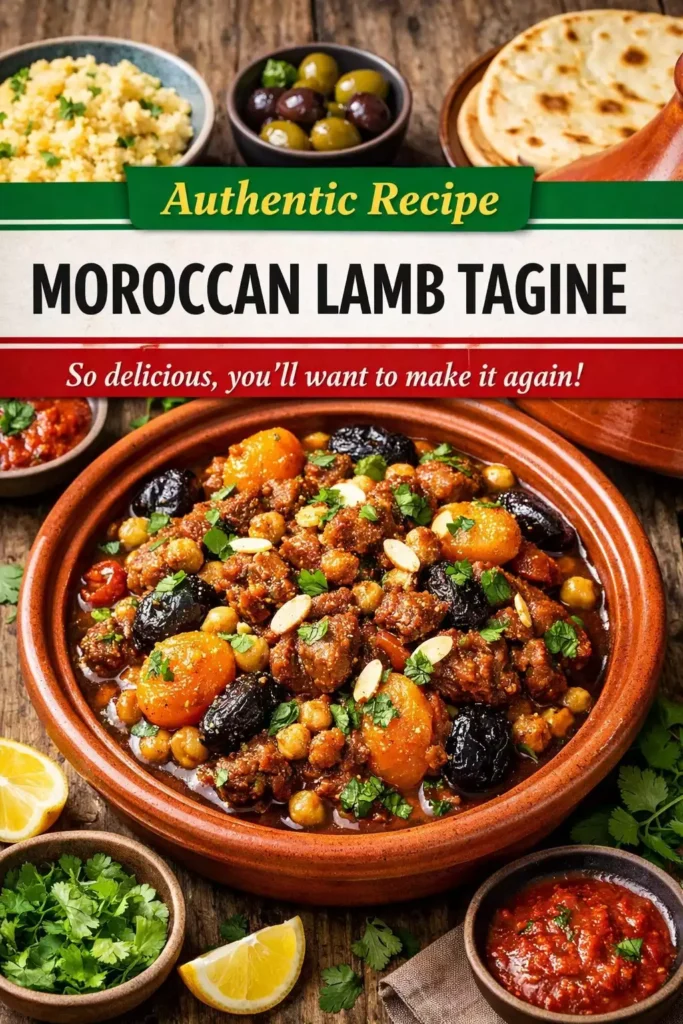
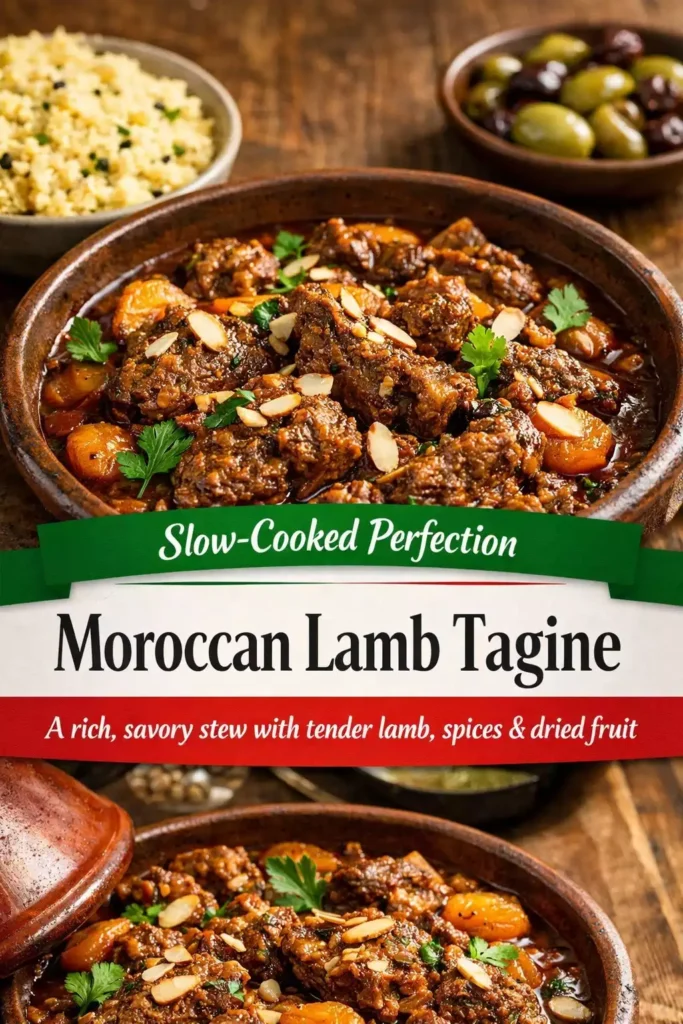
Moroccan Lamb Tagine
A slow braise with warming spices, preserved lemon, and dried fruit — the North African technique that produces deep, layered flavor over low heat.
Ground Lamb Tacos
The technique that makes this better than takeout: properly seasoned filling, the right heat, and a tortilla that holds together through the last bite.
Where Most People Blow It
Match fat content to cooking method. Fattier cuts (shoulder, belly) benefit from slow cooking that renders the fat. Leaner cuts (rack, loin chops) should be cooked quickly at high heat. Using a lean cut for a braise or a fatty cut for a quick sear produces the same wrong result.
Season lamb assertively. Lamb has more flavor than chicken or pork and can absorb more seasoning. Rosemary, garlic, cumin, coriander, and lemon all work. Hold back on seasoning and you waste what makes lamb worth cooking.
Let lamb reach room temperature before cooking. Cold lamb in a hot pan produces uneven cooking — the outside overcooks before the interior reaches the right temperature. Thirty minutes out of the refrigerator makes a real difference for thick cuts.
Rest lamb longer than you think. Larger cuts — leg, shoulder, rack — need ten to fifteen minutes of rest under foil. The temperature continues rising and the juices redistribute. A leg of lamb cut immediately is a different animal from one rested properly.
Pink is correct for most cuts. Lamb chops and racks are at their best at 130-135°F — medium-rare. 145°F medium is acceptable. Well-done lamb loses the character that makes it worth eating. Ground lamb should reach 160°F.
Frequently Asked Questions
Why does lamb smell different from beef?
Lamb contains more branched-chain fatty acids, particularly one called 4-methyloctanoic acid, which has a distinctive aroma. The smell is more pronounced in older lamb (mutton). Younger lamb has a milder aroma. The smell is not an indicator of quality — it’s characteristic.
Can I substitute lamb in beef recipes?
For braised preparations: yes, with adjustments for the stronger flavor (Mediterranean spices work better than American barbecue flavors). For quick stovetop: yes. The flavor is different but the technique is the same.
What sides go with lamb?
Roasted root vegetables, couscous with herbs, Greek salad, tzatziki, flatbread, and polenta all work well with lamb’s flavor profile. Avoid very delicate sides that get overwhelmed by the assertive lamb flavor.
Is grass-fed lamb better than grain-fed?
Grass-fed lamb has a more pronounced, gamier flavor that some people prefer and others find too strong. Grain-fed is milder. Either works for these recipes — adjust seasoning based on intensity.
All Recipes In This Collection
Garlic Herb Lamb Chops
Slow Roasted Leg of Lamb
Lamb Kofta (Spiced Meatballs)
Greek Lamb Gyro
Irish Lamb Stew
Rack of Lamb with Herb Crust
Moroccan Lamb Tagine
Ground Lamb Tacos
Related collections: Pasta Recipes · Chicken Recipes · Beef Recipes · Potato Recipes · Easy Dinner Recipes