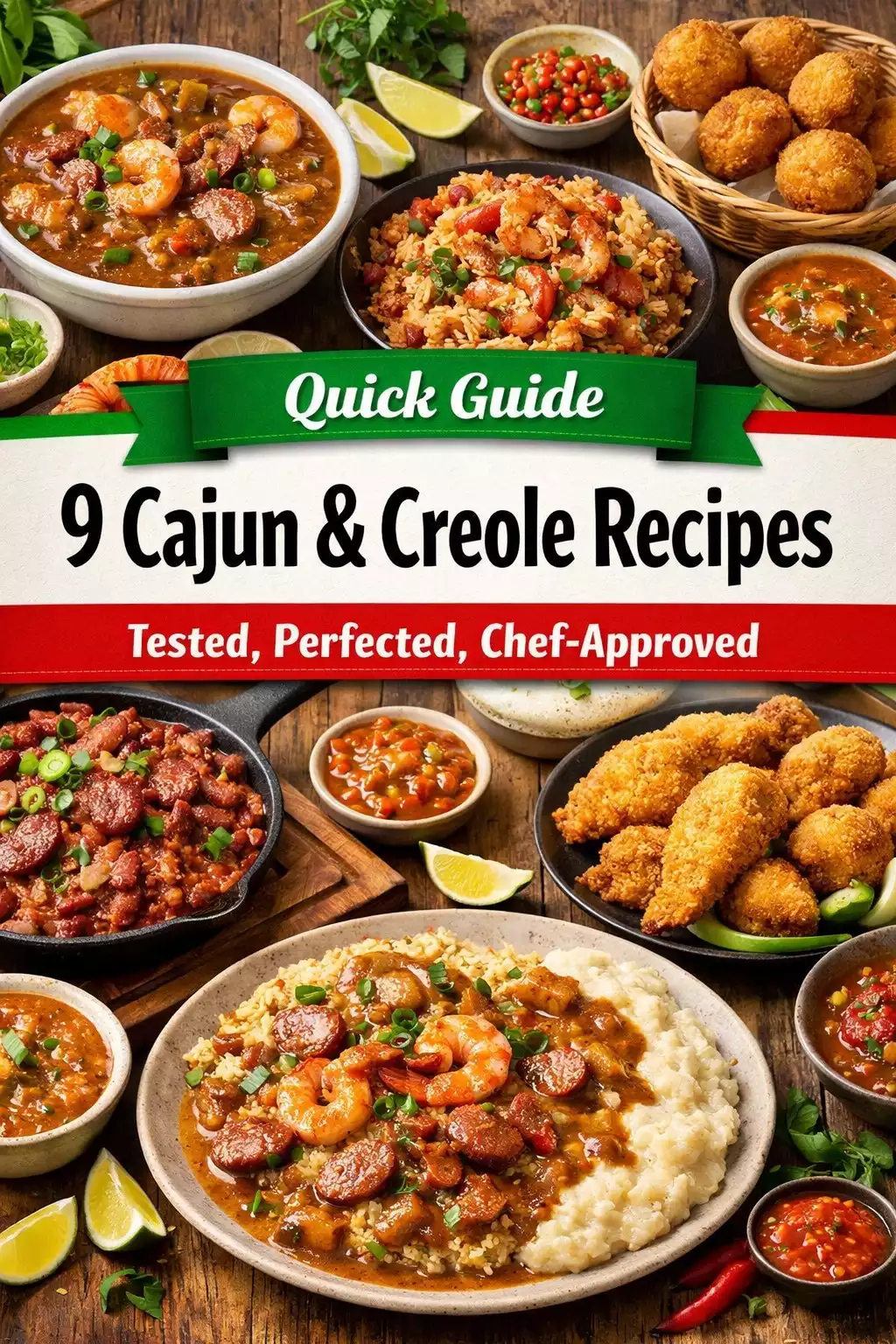
CPay attention. Nine Cajun and Creole recipes — and these two traditions are distinct even though they’re often lumped together. Creole cooking is New Orleans city cooking: more refined, uses tomatoes, built around French and Spanish techniques absorbed over centuries. Cajun cooking is rural Louisiana: more rustic, no tomatoes in the gumbo, built around a very dark roux and the “holy trinity” of onion, celery, and bell pepper. Both are extraordinary. Both are here.
The foundation of both traditions is the roux — and Cajun and Creole roux goes darker than any French roux you’ve seen. Where French cooking stops a roux at blond or brown, Cajun cooking takes it to the color of dark chocolate — thirty to forty minutes of continuous stirring over medium heat, watching it transition from tan to copper to brick to chocolate. That roux is the backbone. Rush it and the gumbo is flat. Burn it even slightly and the whole pot has to start over.
That’s not a suggestion. Every recipe here was built with real technique — the steps that produce consistent results — not convenience shortcuts that produce acceptable ones.
Thirty years in kitchens — this is the version that stuck. Use this collection as a reference. Cook through it. The technique stays with you.
Recipes In This Collection
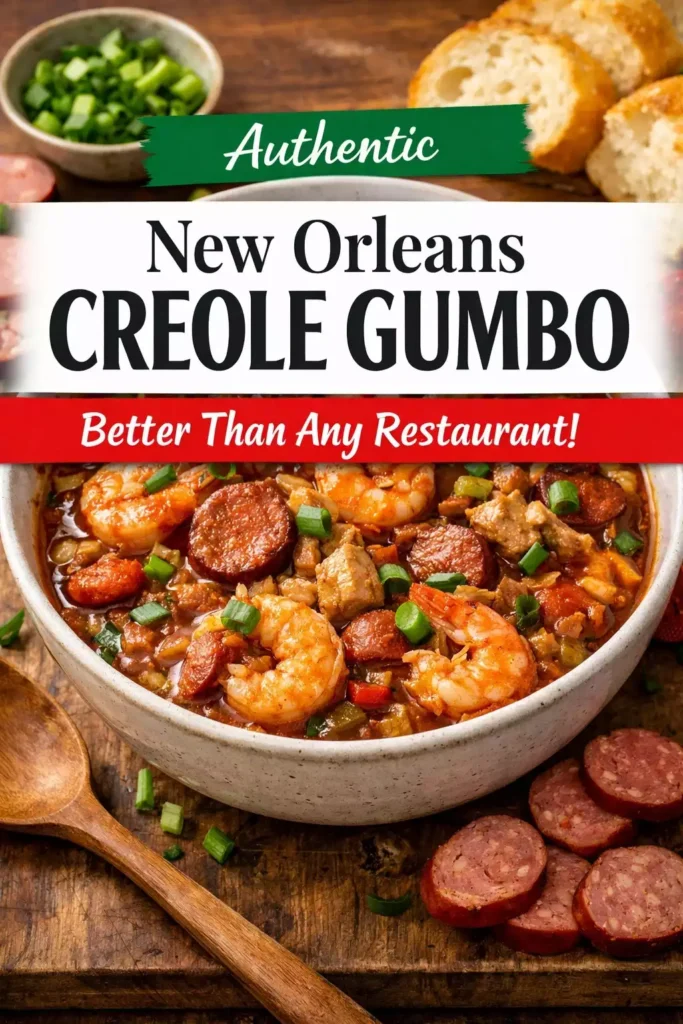
New Orleans Creole Gumbo
Built low and slow, with a broth or base that develops flavor over time — the kind of dish that gets better the longer you leave it alone.
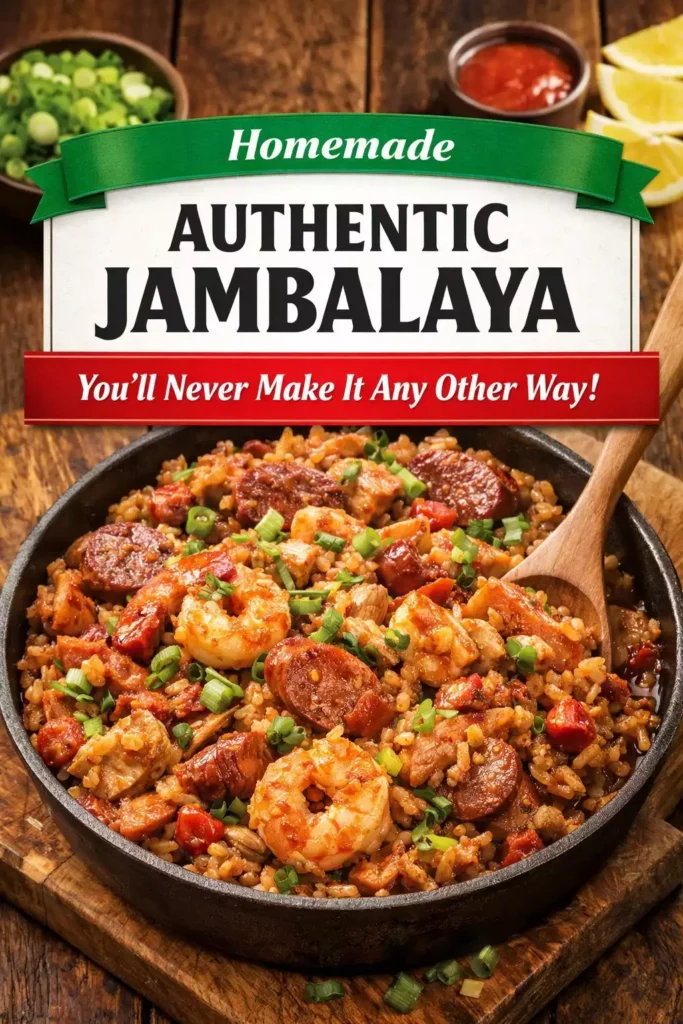
Authentic Jambalaya
Authentic Jambalaya — the version built on proper technique and real ingredients. Calibrated for consistent results every single time.
Authentic Red Beans and Rice
Authentic Red Beans and Rice — the version built on proper technique and real ingredients. Calibrated for consistent results every single time.
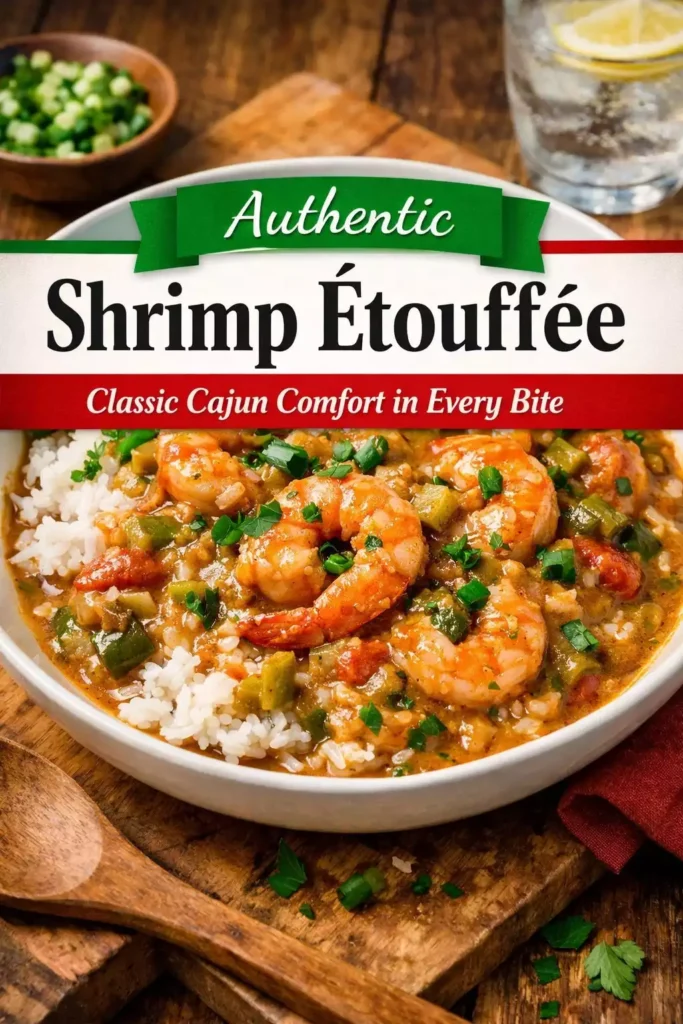
Shrimp Étouffée
Shrimp Étouffée — the version built on proper technique and real ingredients. Calibrated for consistent results every single time.
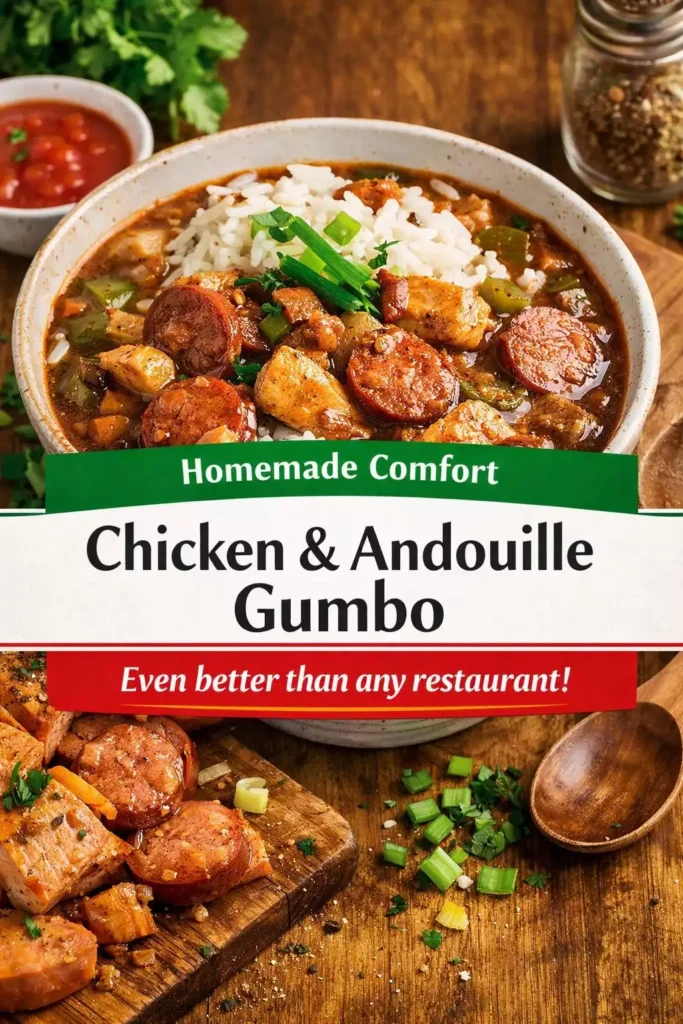
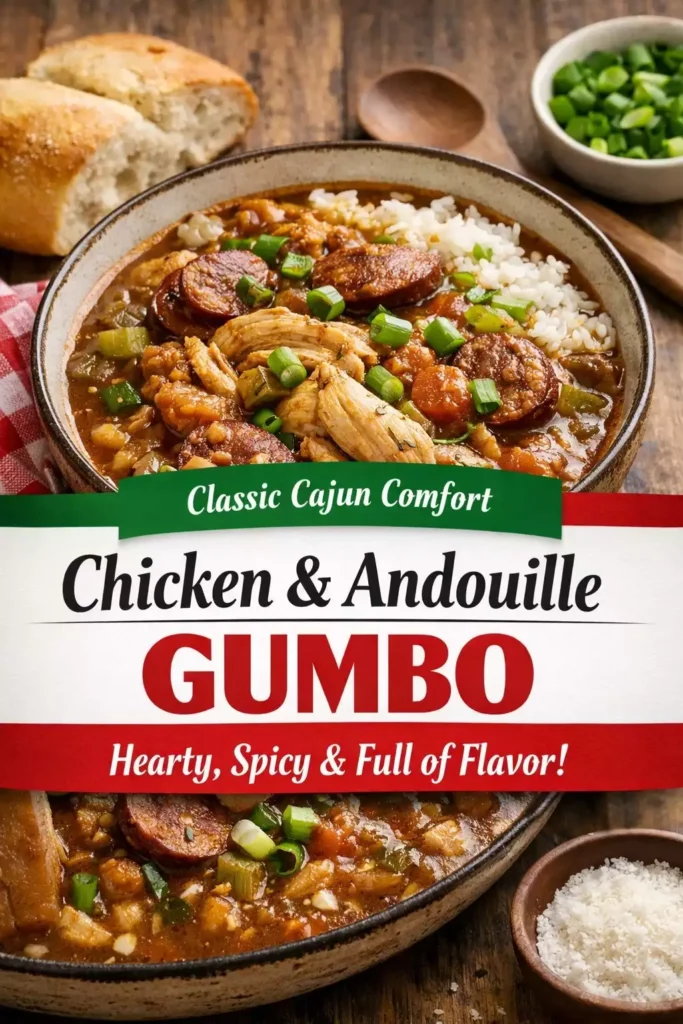
Chicken and Andouille Gumbo
Built low and slow, with a broth or base that develops flavor over time — the kind of dish that gets better the longer you leave it alone.
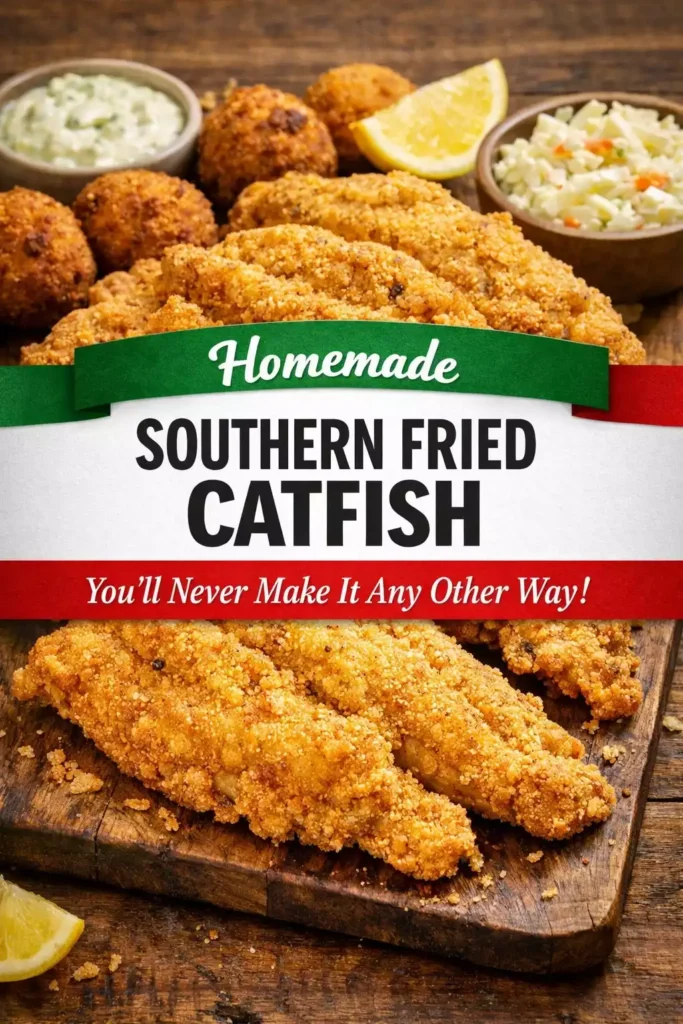
Southern Fried Catfish
Southern Fried Catfish — the version built on proper technique and real ingredients. Calibrated for consistent results every single time.
Creamy Corn Grits
Creamy Corn Grits — the version built on proper technique and real ingredients. Calibrated for consistent results every single time.
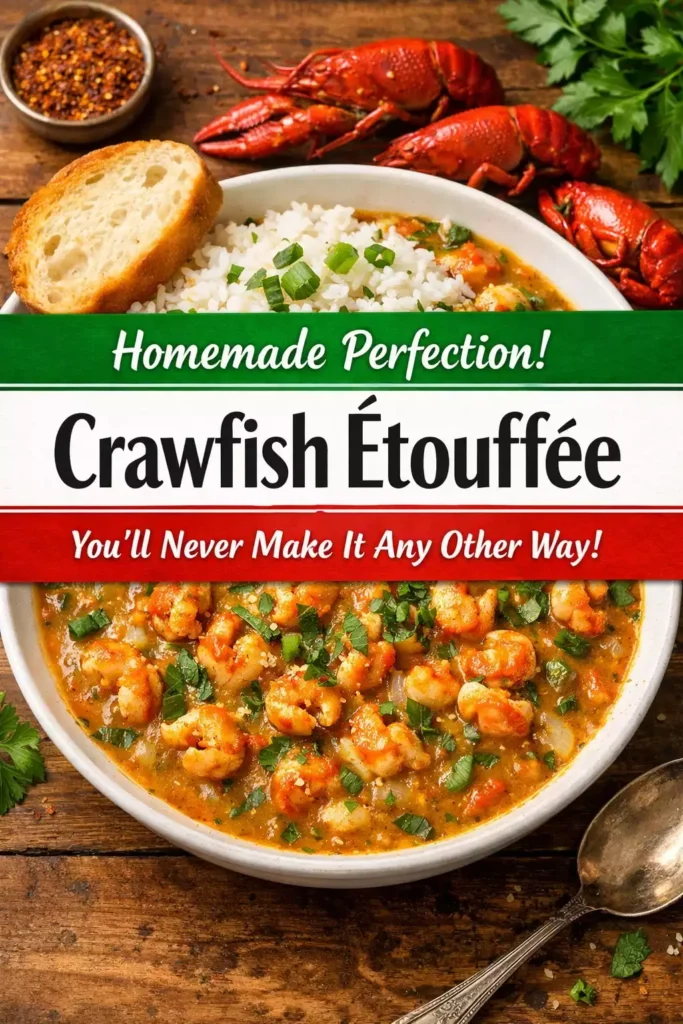
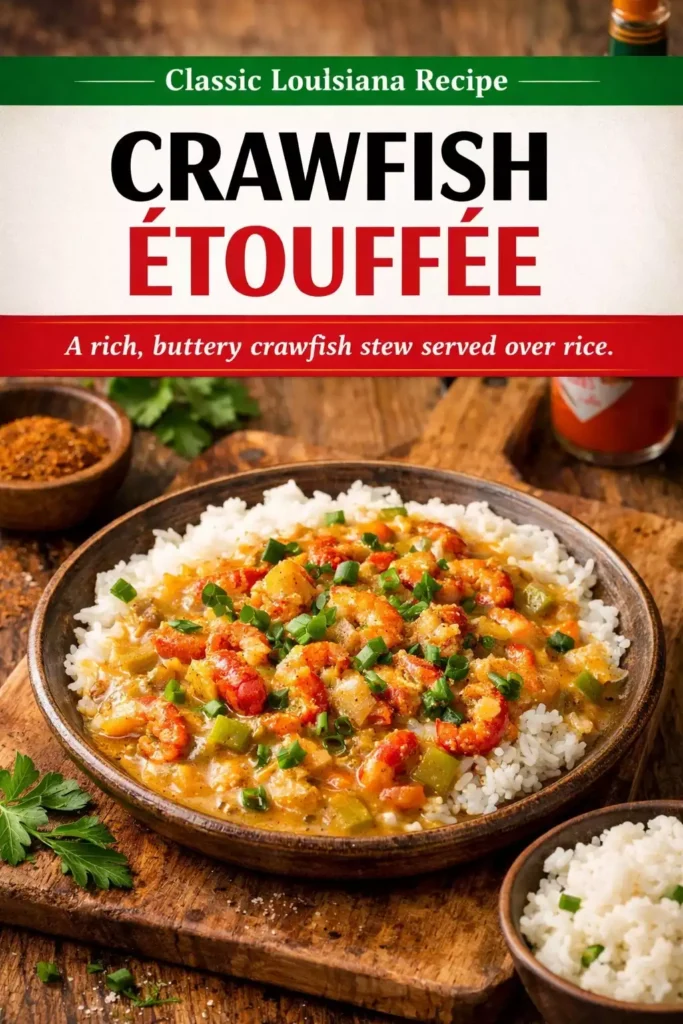
Crawfish Étouffée
Crawfish Étouffée — the version built on proper technique and real ingredients. Calibrated for consistent results every single time.

Hush Puppies
Hush Puppies — the version built on proper technique and real ingredients. Calibrated for consistent results every single time.
Where Most People Blow It
The roux is non-negotiable. A Cajun gumbo roux needs to be the color of dark chocolate — 30 to 45 minutes of constant stirring over medium heat. Any lighter and the gumbo lacks the depth and complexity that defines the dish. Any darker (burned) and it’s bitter and unusable. Patience is the technique.
The Holy Trinity first. After the roux reaches the right color, the onion, celery, and bell pepper go in immediately — the moisture sizzles in the hot roux and stops the darkening. Cook the trinity until soft before adding anything else.
Andouille is specific. Louisiana andouille is a heavily smoked, coarsely ground pork sausage with a specific flavor profile. Generic smoked sausage substitutes aren’t the same. Source real Louisiana andouille — it’s available at specialty grocers and online — for these recipes.
Stone-ground grits take time. Quick grits are a compromise. Stone-ground grits need 45-60 minutes of stirring and simmering. The result is completely different — creamy, substantial, with the actual flavor of corn.
Add shrimp last. In any étouffée or gumbo, shrimp goes in for the last 3-5 minutes of cooking. Overcooked shrimp is rubber. The heat of the sauce carries through to the shrimp — it doesn’t need the full cooking time.
Frequently Asked Questions
What’s the difference between Cajun and Creole food?
Cajun food is rural South Louisiana cooking: dark roux, no tomatoes in gumbo, filé powder as a thickener, more emphasis on game and crawfish. Creole is New Orleans city cooking: lighter roux, tomatoes in many dishes, French and Spanish influences, more refined presentation. The holy trinity is foundational to both.
How dark should gumbo roux be?
The color of dark chocolate or milk chocolate, depending on the recipe. Lighter roux (peanut butter colored) is for white sauces and lighter preparations. Gumbo roux that’s too light lacks the depth and complexity the dish is built on.
What is filé powder?
Ground dried sassafras leaves — a traditional Cajun thickener and flavoring for gumbo. It has a slightly earthy, herbal flavor. It’s added at the end of cooking or at the table — it becomes stringy if cooked for too long.
Can I make gumbo without okra?
Yes — okra is traditional and adds a thickening property, but filé powder can substitute as a thickener, or a properly made roux produces a thick enough sauce. The flavor difference is real but the recipe works without okra.
All Recipes In This Collection
New Orleans Creole Gumbo
Authentic Jambalaya
Authentic Red Beans and Rice
Shrimp Étouffée
Chicken and Andouille Gumbo
Southern Fried Catfish
Creamy Corn Grits
Crawfish Étouffée
Hush Puppies
Related collections: Pasta Recipes · Chicken Recipes · Beef Recipes · Potato Recipes · Easy Dinner Recipes