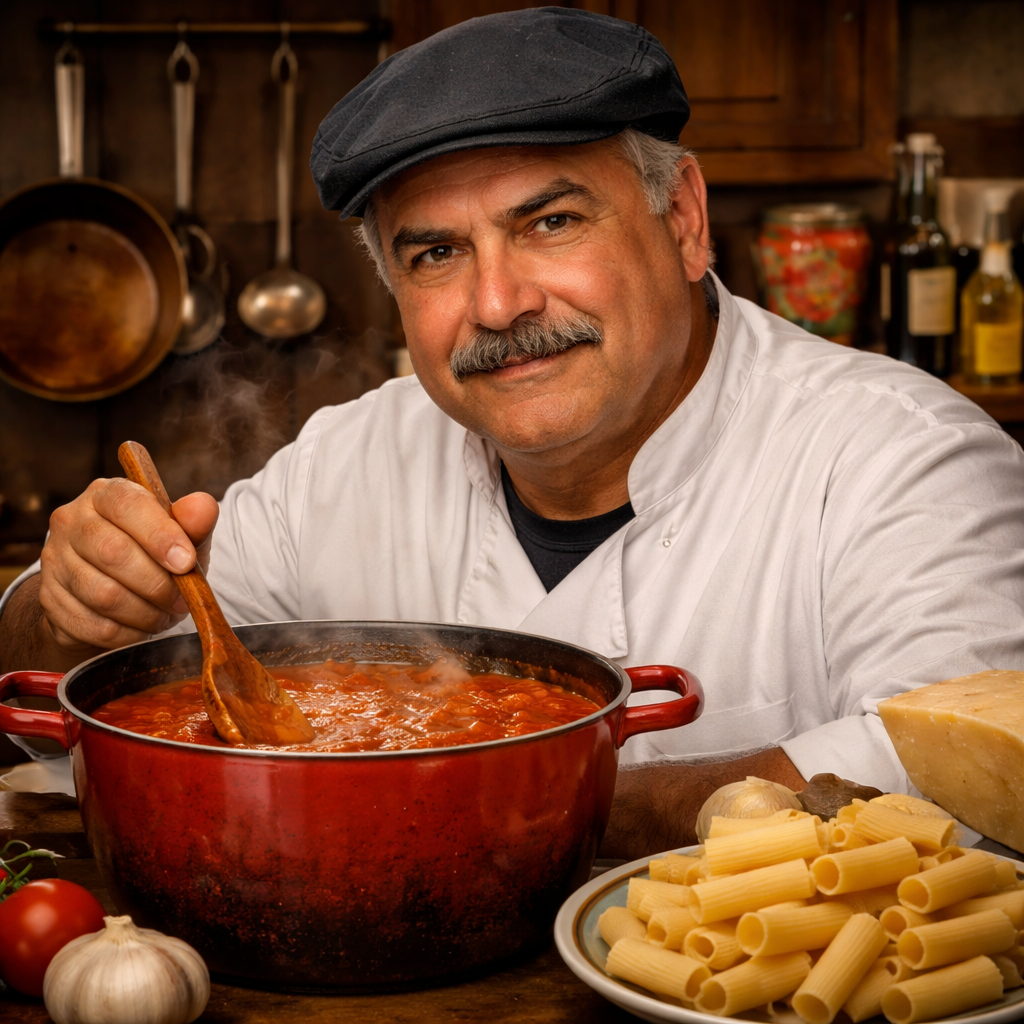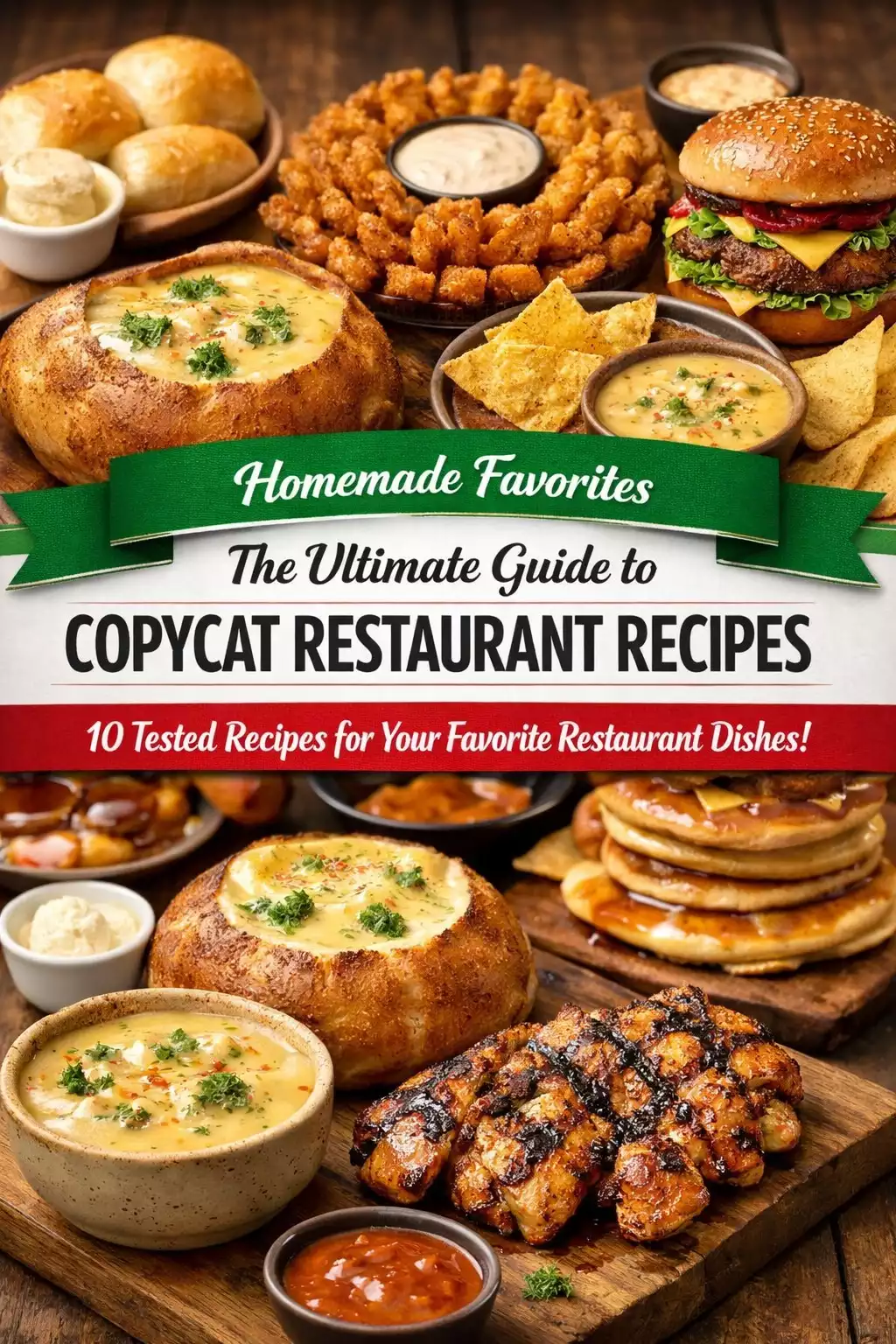
CSit down for this one. Ten copycat restaurant recipes — and I approached this collection as a professional cook who has reverse-engineered dozens of commercial preparations over the years. Not to plagiarize, but to understand: why does this sauce work? What’s the ratio? What technique produces this specific texture? Understanding what a restaurant is doing correctly, and then doing it yourself with better ingredients, usually produces something better than the original.
Some of these recipes are close approximations. Some are genuinely better than what they’re based on — Texas Roadhouse rolls made with real butter and properly proofed yeast dough are better than the restaurant’s version because they come out of your oven and go to the table immediately. The Panera broccoli cheddar soup made from scratch, with real cheese grated from a block, is better than the restaurant’s production version. The copycat is the starting point. The home version is the refinement.
I will die on this hill. Every recipe here was built with real technique — the steps that produce consistent results — not convenience shortcuts that produce acceptable ones.
Ecco fatto — there it is. Done right. Use this collection as a reference. Cook through it. The technique stays with you.
Recipes In This Collection
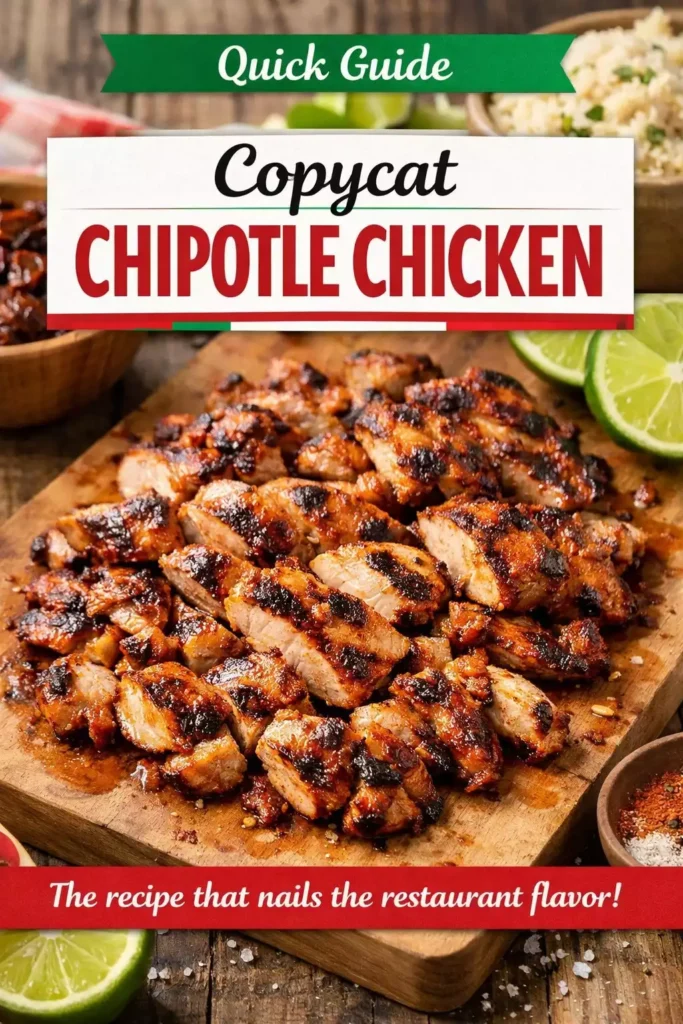
Copycat Panera Broccoli Cheddar Soup
Built low and slow, with a broth or base that develops flavor over time — the kind of dish that gets better the longer you leave it alone.
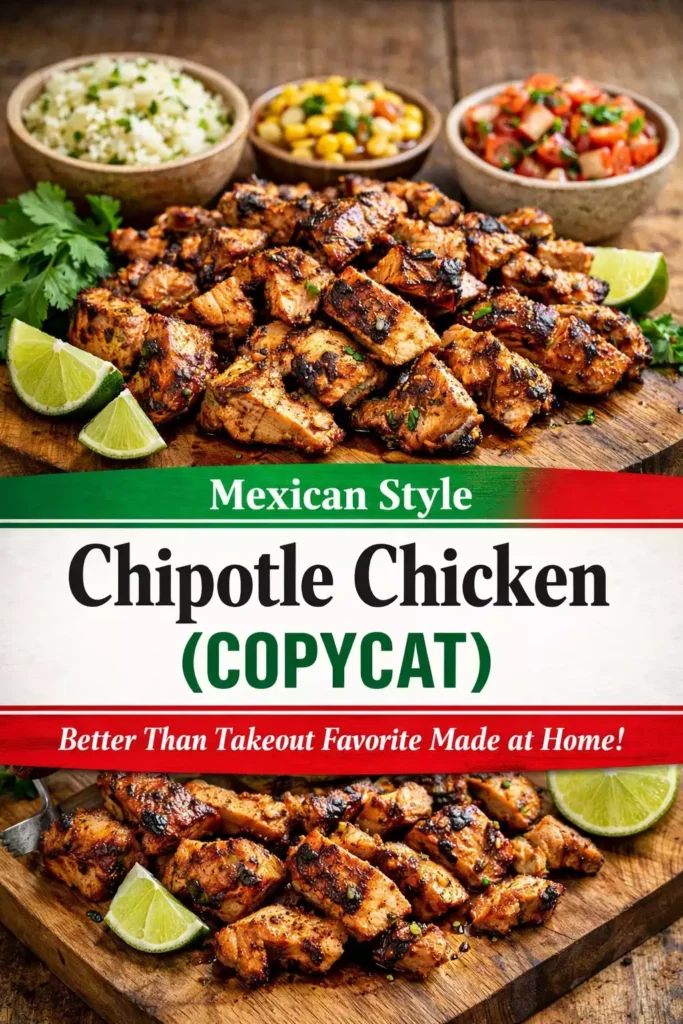
Chipotle Chicken (Copycat)
Chipotle Chicken (Copycat) — the version built on proper technique and real ingredients. Calibrated for consistent results every single time.
Chick-fil-A Sauce (Copycat)
Chick-fil-A Sauce (Copycat) — the version built on proper technique and real ingredients. Calibrated for consistent results every single time.
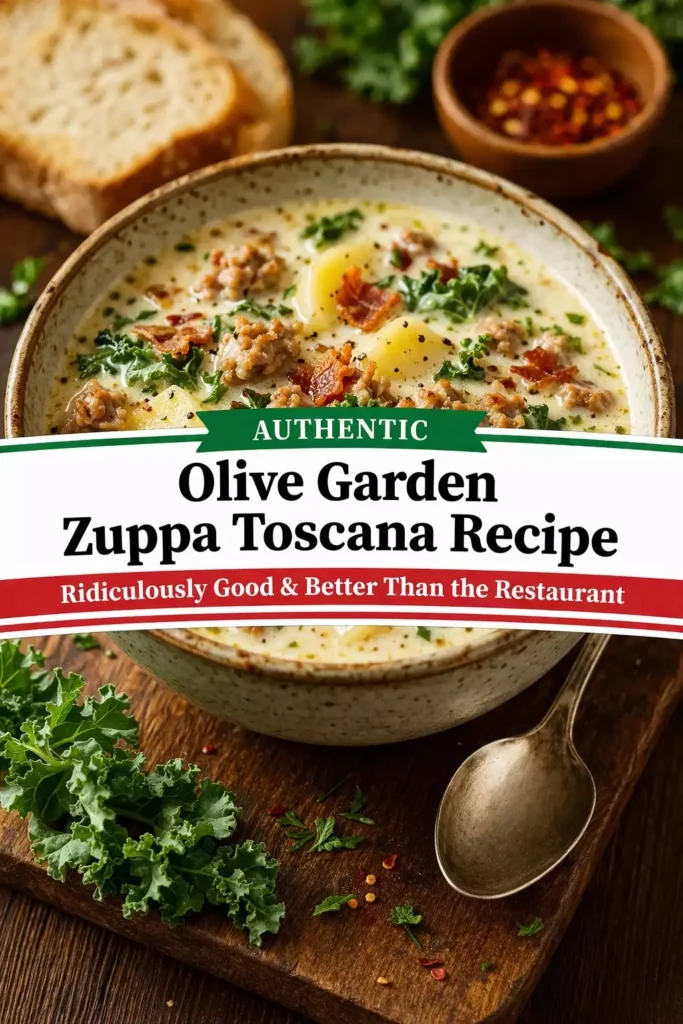
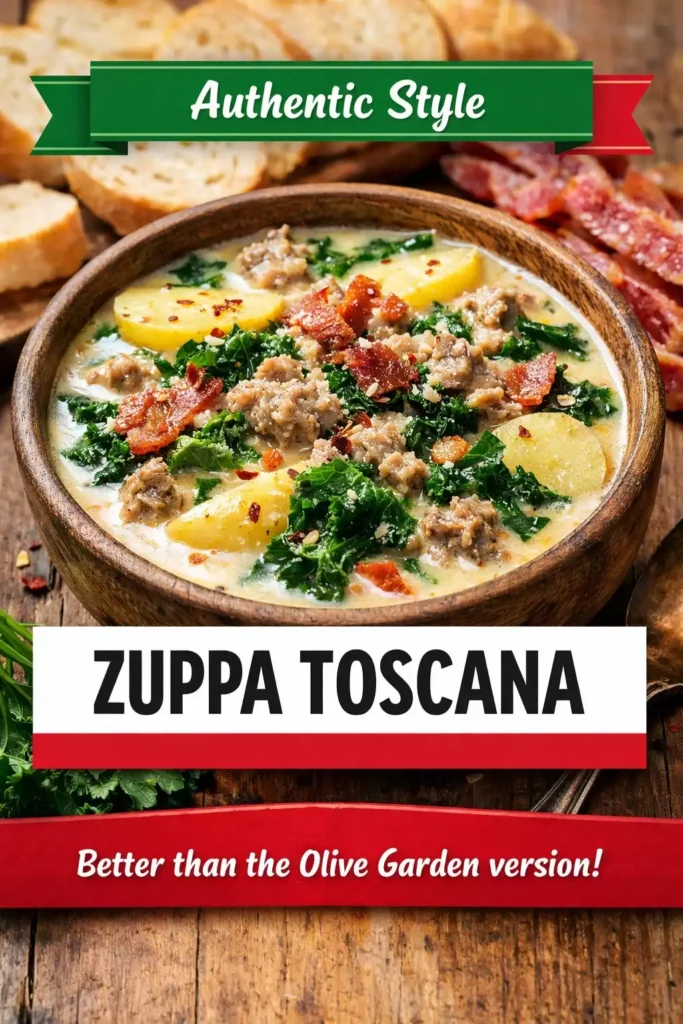
Olive Garden Zuppa Toscana
Olive Garden Zuppa Toscana — the version built on proper technique and real ingredients. Calibrated for consistent results every single time.
McDonald’s Big Mac Sauce
McDonald’s Big Mac Sauce — the version built on proper technique and real ingredients. Calibrated for consistent results every single time.
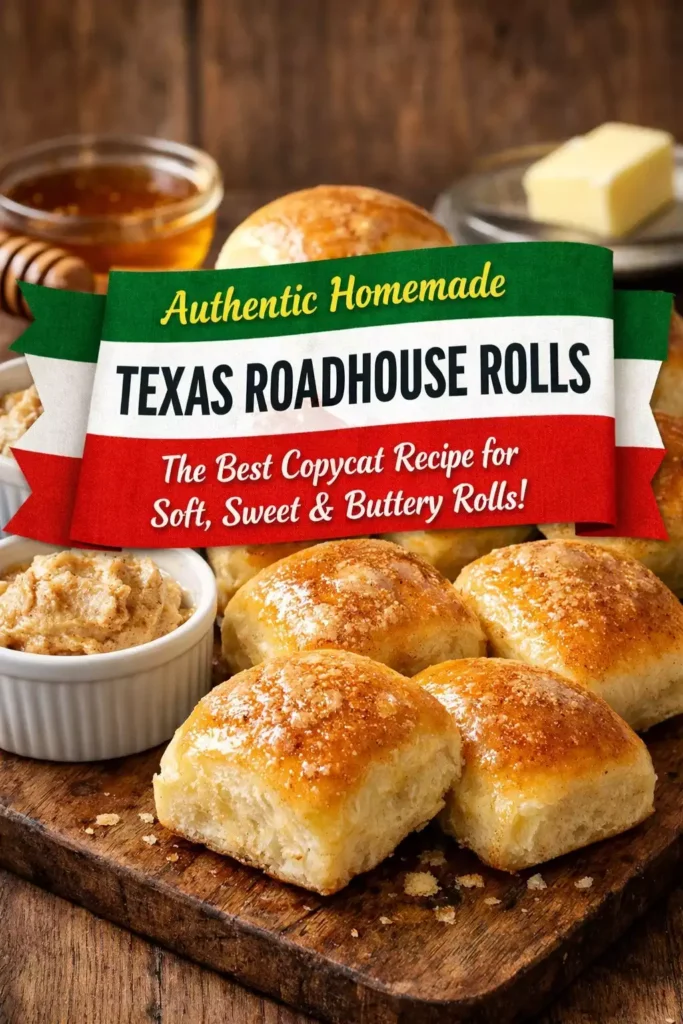
Texas Roadhouse Rolls
Texas Roadhouse Rolls — the version built on proper technique and real ingredients. Calibrated for consistent results every single time.
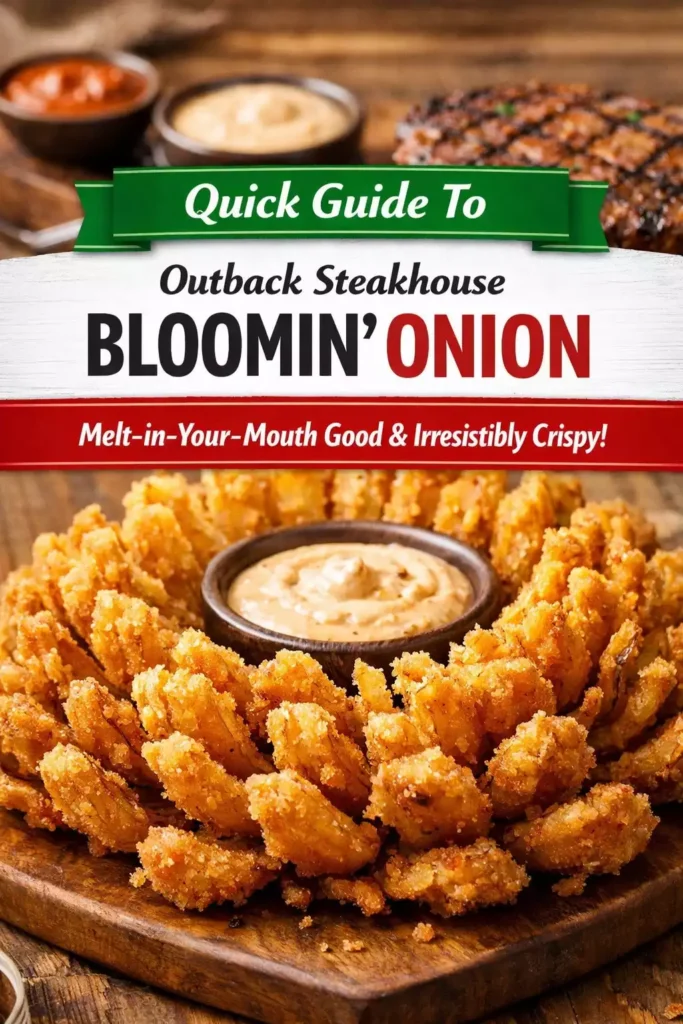
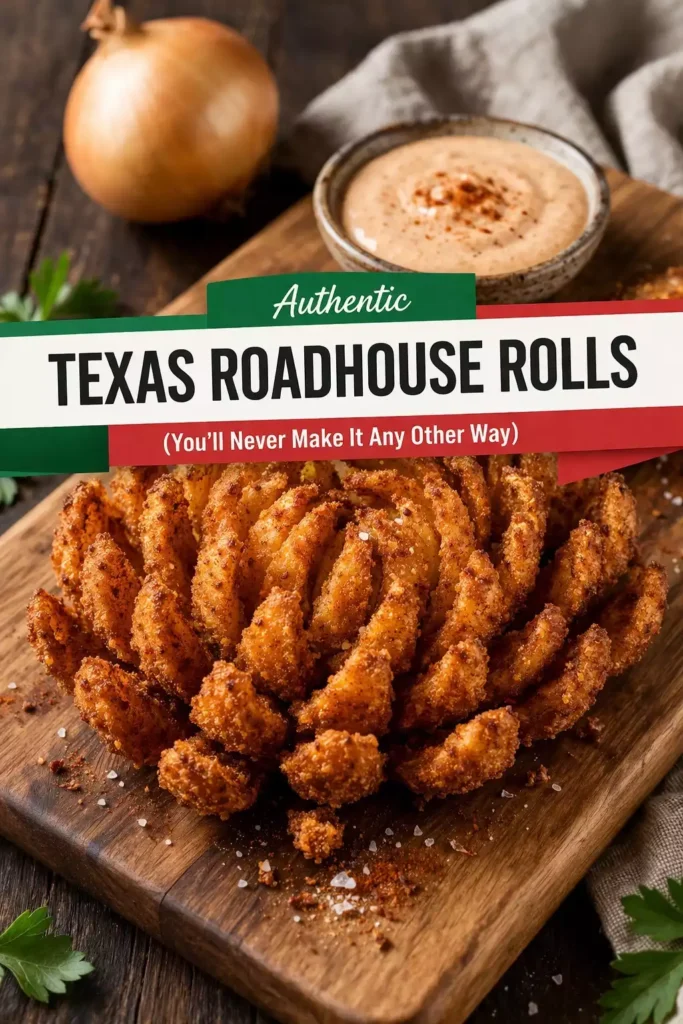
Outback Steakhouse Bloomin Onion
A properly seared steak: screaming hot pan, dry surface, butter-baste at the end. The technique that produces restaurant-worthy crust at home.
Cracker Barrel Pancakes
Cracker Barrel Pancakes — the version built on proper technique and real ingredients. Calibrated for consistent results every single time.
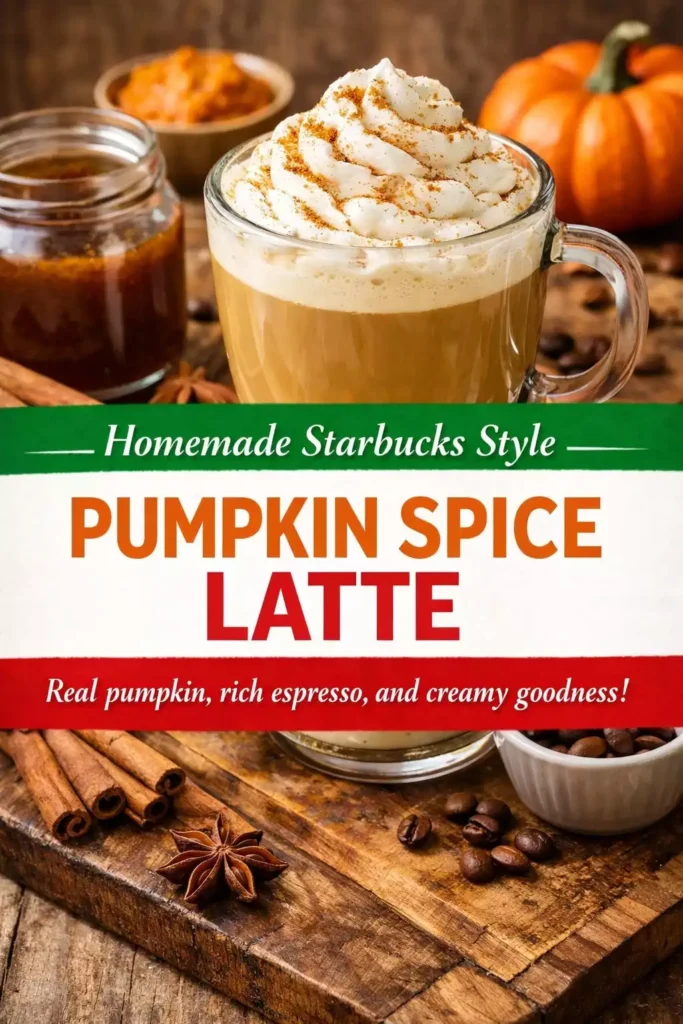
Starbucks Pumpkin Spice Latte
Starbucks Pumpkin Spice Latte — the version built on proper technique and real ingredients. Calibrated for consistent results every single time.
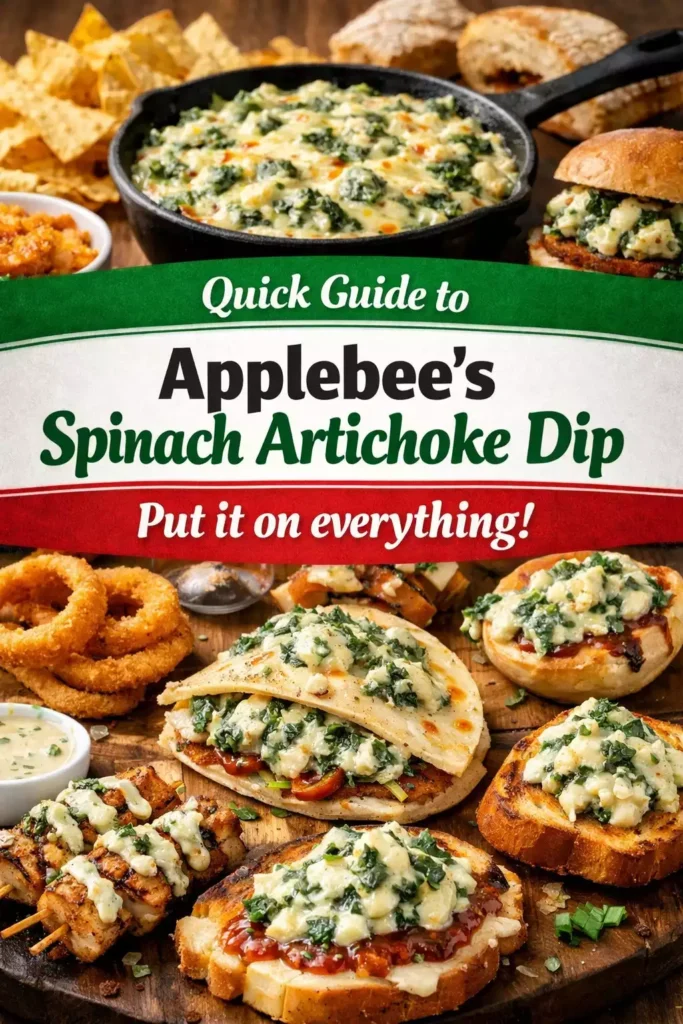
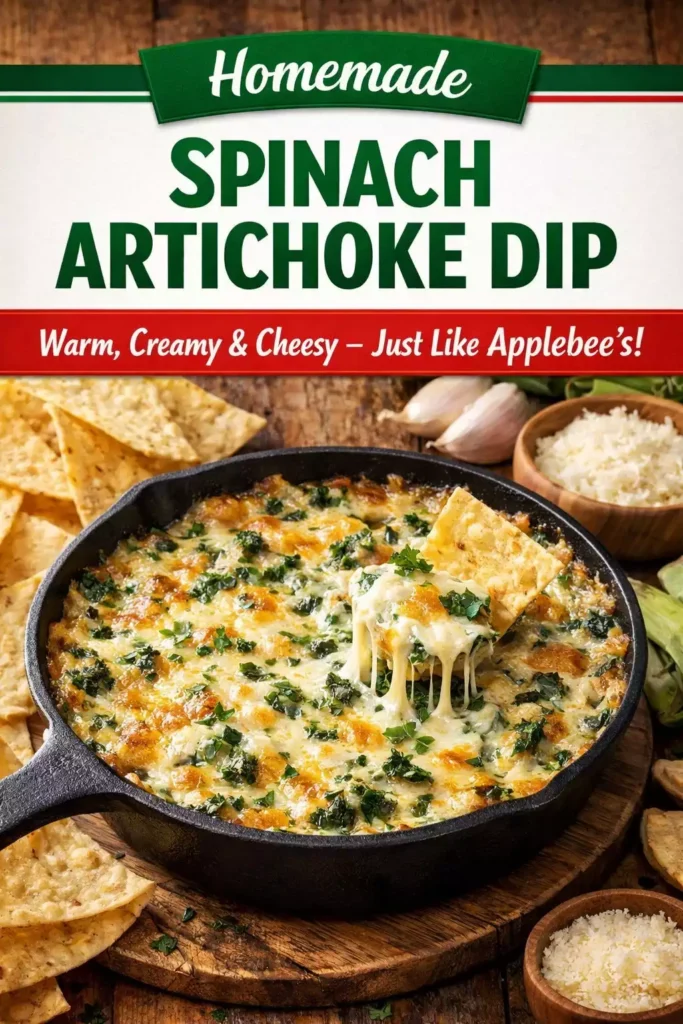
Applebee’s Spinach Artichoke Dip
Applebee’s Spinach Artichoke Dip — the version built on proper technique and real ingredients. Calibrated for consistent results every single time.
Where Most People Blow It
Use better ingredients than the original. Restaurant chains use cost-engineered ingredients — processed cheese, shelf-stable sauces, commercial baked goods. At home, you can use block cheddar, fresh bread, real cream. The technique may be the same but the ingredients are better.
Identify the key component. Every great restaurant dish has one technique or ingredient that defines it. Chipotle chicken is the adobo marinade. The Cracker Barrel pancakes are the buttermilk and the griddle temperature. Identify it, get it right, and the dish follows.
Temperature management for frying. The Outback blooming onion and similar fried preparations require maintaining oil temperature at 375°F through the fry. Temperature drops when food goes in — use a thermometer, fry in small batches, and let the temperature recover between batches.
Rolls need proper proofing time. Texas Roadhouse-style rolls are enriched yeast dough. The sweetness and softness come from the sugar, butter, and milk in the dough. The lightness comes from proper proofing — two rises, the second in the pan. Don’t rush either.
Season sauces in layers. Restaurant sauces have multiple seasoning additions at different stages. Recreating them means tasting at each stage and building toward the target flavor, not dumping everything in at once.
Frequently Asked Questions
How close are these to the originals?
Very close for the simpler preparations (sauces, dips, simple proteins). The more complex preparations (yeasted rolls, fried items) require technique that produces a result in the same category as the original rather than an exact replication.
Can I make these cheaper than the restaurant version?
Yes, usually significantly. Making a batch of Panera-style broccoli cheddar soup at home costs a fraction of ordering it. The economics of cooking at home apply to copycat recipes as much as any other category.
Are copycat recipes legal?
Recipes themselves are not copyrightable — the general approach and proportions of a dish are free for anyone to cook. These recipes are interpretations and approaches, not proprietary formulas.
What’s the hardest copycat to get right?
Anything that relies heavily on restaurant-specific equipment (commercial pressure fryers, professional griddles at very precise temperatures) or proprietary processed ingredients. The closer to a simple technique, the more achievable the copycat.
All Recipes In This Collection
Copycat Panera Broccoli Cheddar Soup
Chipotle Chicken (Copycat)
Chick-fil-A Sauce (Copycat)
Olive Garden Zuppa Toscana
McDonald’s Big Mac Sauce
Texas Roadhouse Rolls
Outback Steakhouse Bloomin Onion
Cracker Barrel Pancakes
Starbucks Pumpkin Spice Latte
Applebee’s Spinach Artichoke Dip
Related collections: Pasta Recipes · Chicken Recipes · Beef Recipes · Bread Recipes · Potato Recipes