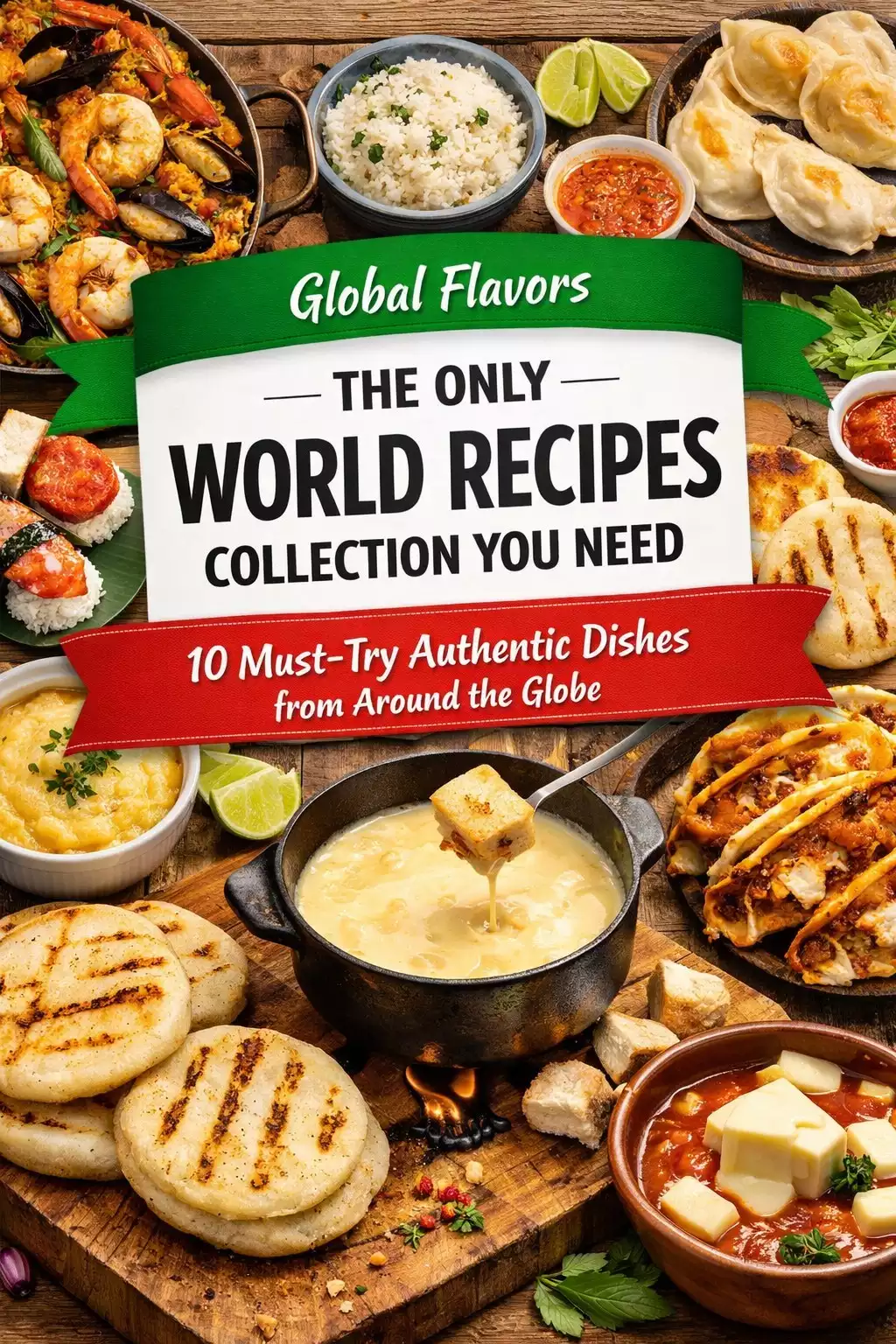
WSenti, this is important. Ten world recipes — a collection spanning Colombia, Japan, Poland, Spain, Italy, Hawaii, Switzerland, and Mexico. These are dishes that have shaped how people eat across their cultures. An arepa is not a tortilla — it’s a specific cornmeal preparation that has been sustaining Colombian and Venezuelan families for centuries. Spanish paella is not rice with chicken — it’s a specific technique built around a specific pan and the socarrat that forms at the bottom. Every dish here has a character that belongs to it.
The approach to every recipe in this collection is the same: learn what the dish actually is in its home tradition before adapting anything. Sushi rice is not just steamed rice — it’s specifically seasoned with a rice vinegar mixture at a specific temperature and handled in a specific way to achieve the texture that sushi requires. Polenta is not cornmeal mush — it’s a specific ratio, a specific simmer time, and a specific finishing technique. Get the essentials right.
If you skip this step, don’t come crying to me. Every recipe here was built with real technique — the steps that produce consistent results — not convenience shortcuts that produce acceptable ones.
Now we’re in business. Use this collection as a reference. Cook through it. The technique stays with you.
Recipes In This Collection
Homemade Arepas
Colombian arepas: masarepa mixed with water and salt, patted flat and cooked on a griddle until a crust forms. Simple, fast, and the base for everything.
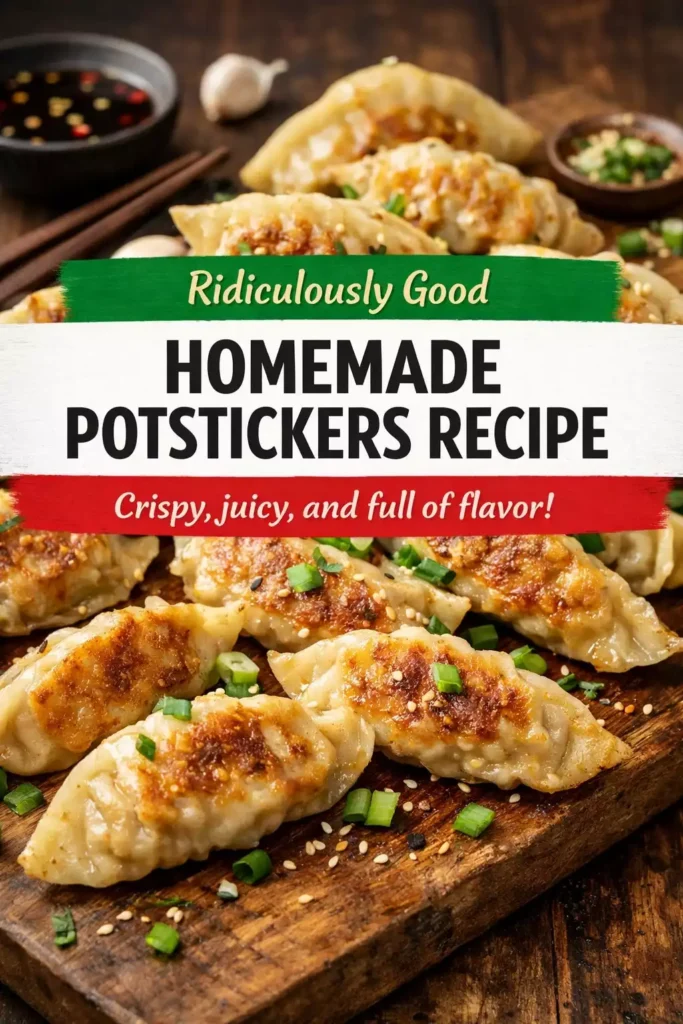
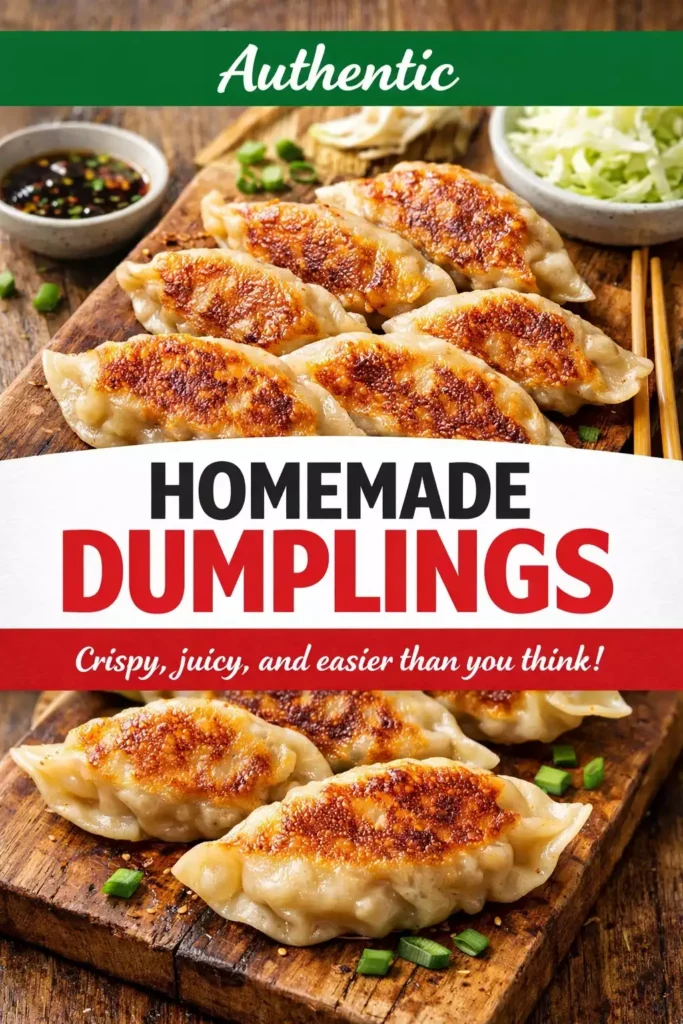
Homemade Dumplings (Potstickers)
Layer it in, close the lid, and walk away — the dump format at its best, when the result actually justifies the method.
Perfect Sushi Rice
Perfect Sushi Rice — the version built on proper technique and real ingredients. Calibrated for consistent results every single time.
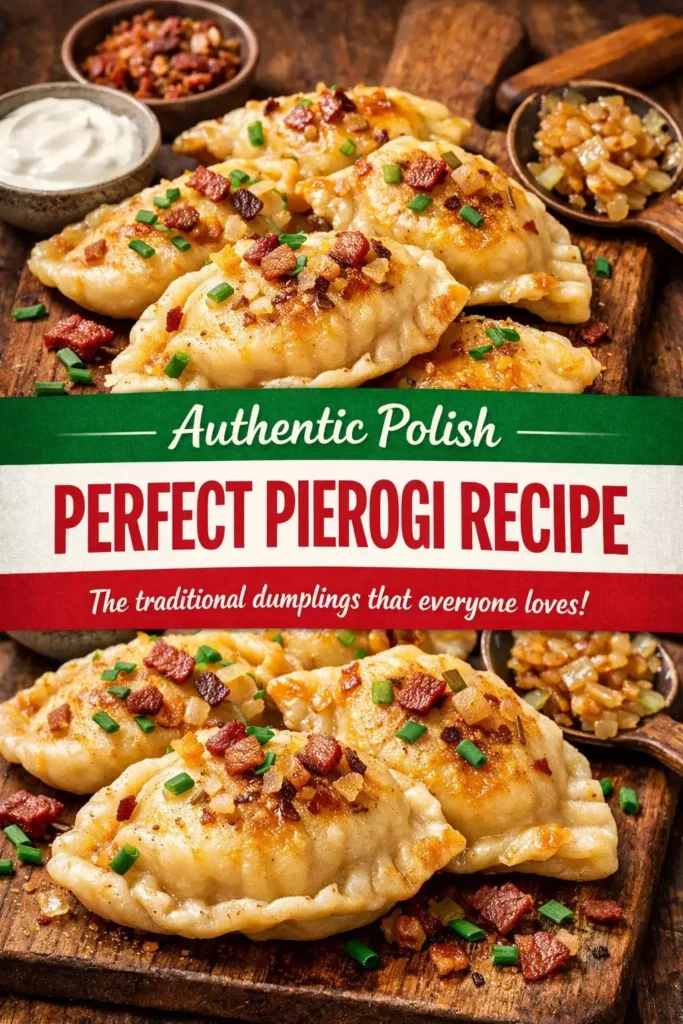
Homemade Pierogi
Hand-folded dumplings filled with potato and cheese, boiled then pan-fried in butter — the Polish classic that rewards the time it takes.
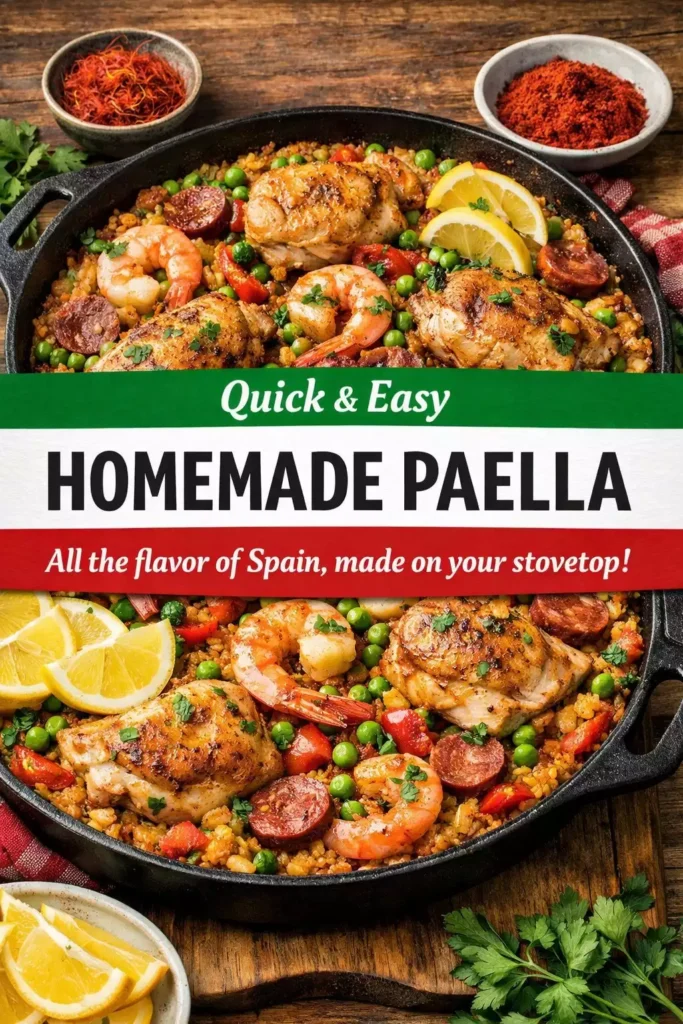
Quick and Easy Paella
Quick and Easy Paella — the version built on proper technique and real ingredients. Calibrated for consistent results every single time.
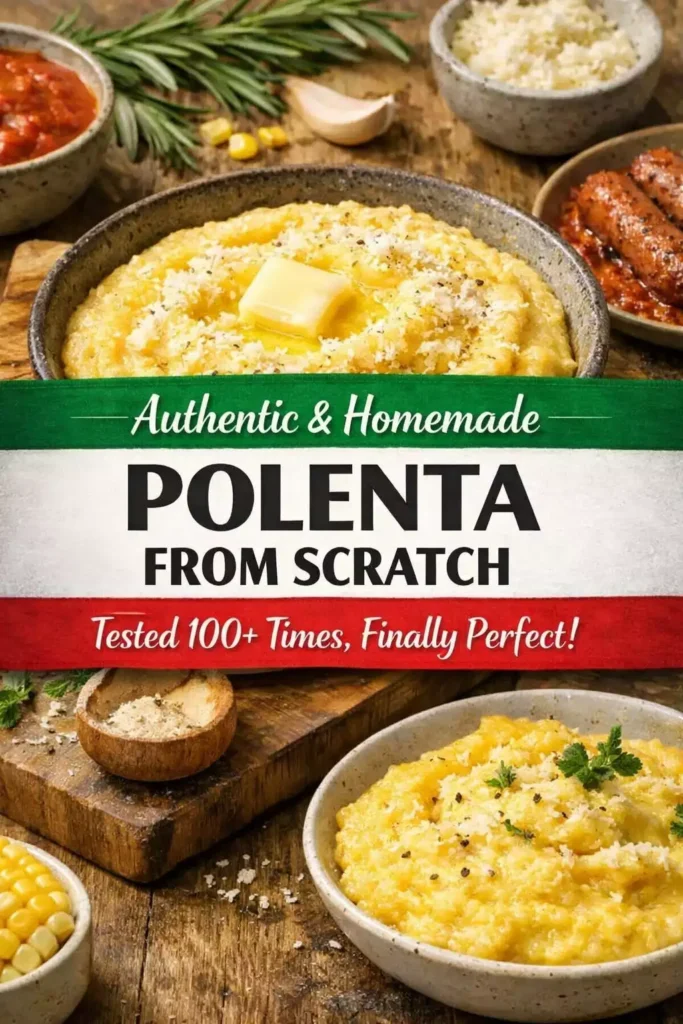
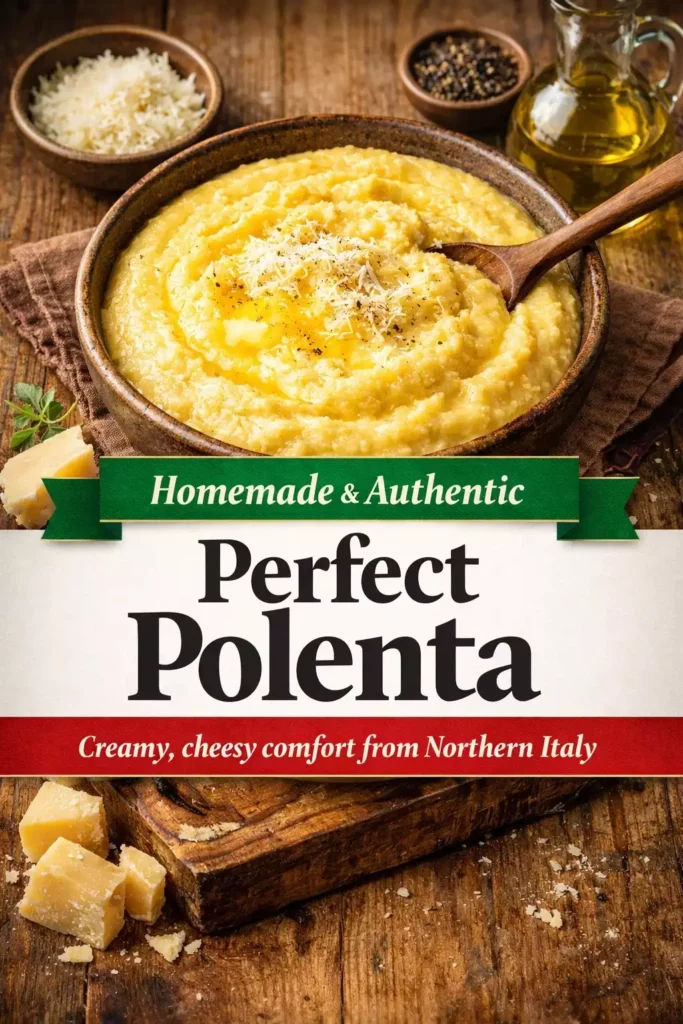
Polenta from Scratch
Polenta from Scratch — the version built on proper technique and real ingredients. Calibrated for consistent results every single time.
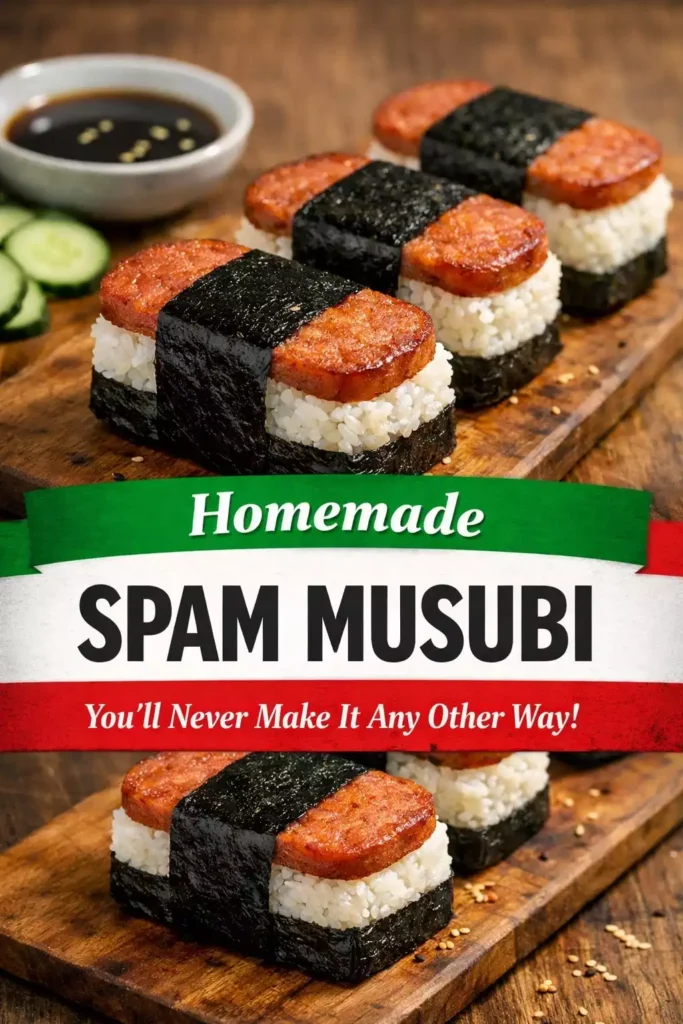
Spam Musubi
Spam Musubi — the version built on proper technique and real ingredients. Calibrated for consistent results every single time.

Panna Cotta
Panna Cotta — the version built on proper technique and real ingredients. Calibrated for consistent results every single time.
Cheese Fondue
Cheese Fondue — the version built on proper technique and real ingredients. Calibrated for consistent results every single time.
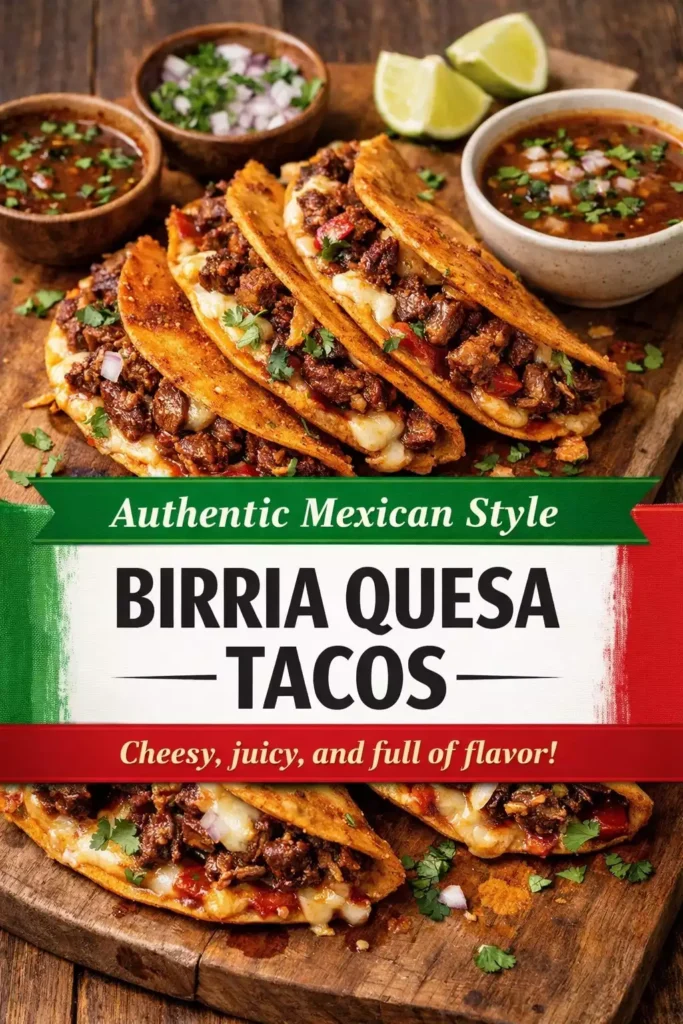
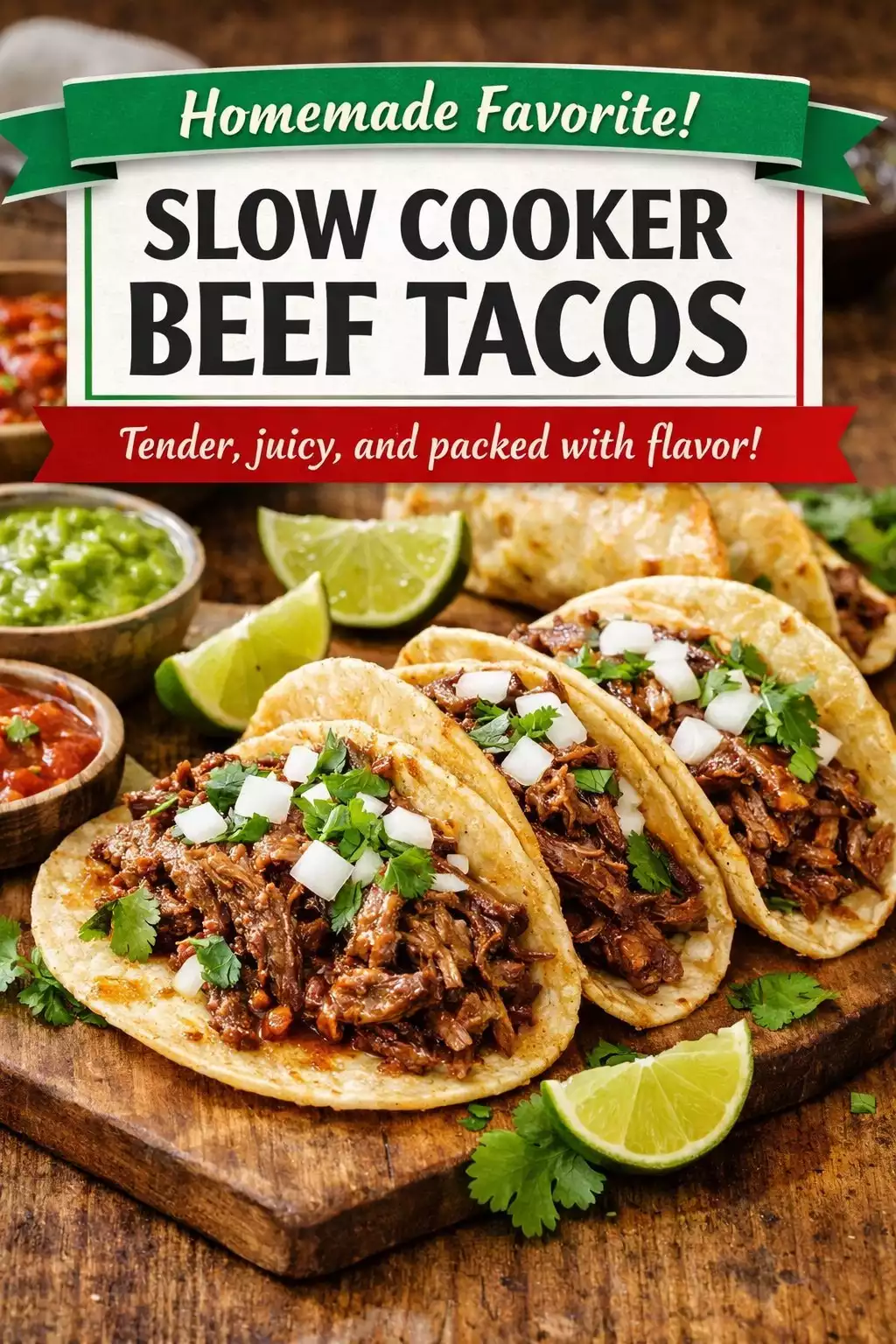
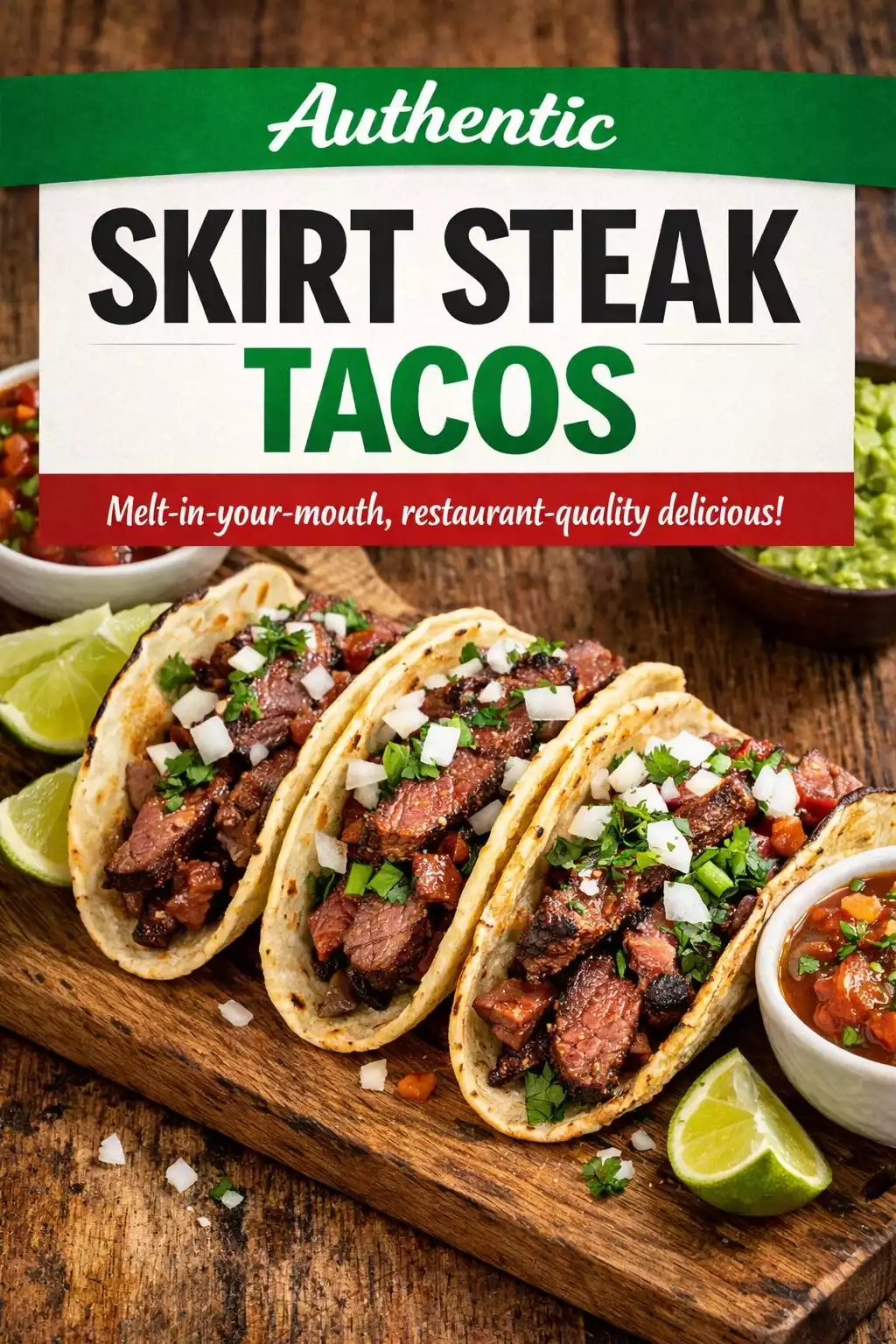
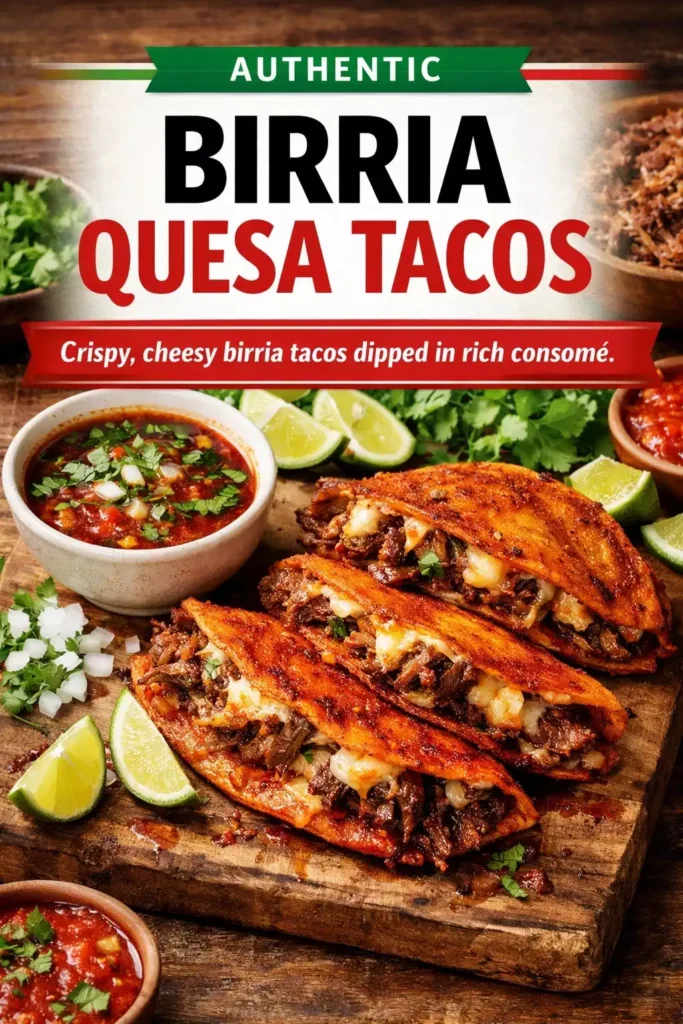
Birria Quesa Tacos
The technique that makes this better than takeout: properly seasoned filling, the right heat, and a tortilla that holds together through the last bite.
Where Most People Blow It
Source the right starch for each dish. Short-grain Japanese rice for sushi. Bombas or Calasparra rice for paella. Masarepa (pre-cooked white cornmeal) for arepas. The starch is not interchangeable — it’s what makes each dish what it is.
Socarrat is the goal in paella. The crispy, caramelized rice crust that forms at the bottom of a properly made paella is not a mistake — it’s the prize. Turn up the heat in the last 2-3 minutes and listen for the crackle. If you hear it, you’re almost there.
Dumpling dough needs rest. Potsticker dough becomes extensible and workable after a 30-minute rest under a damp towel. Fresh-made dough tears. Rested dough stretches into thin wrappers that hold their pleats.
Panna cotta needs exact gelatin measurement. Too much gelatin and panna cotta is rubbery and bouncy. Too little and it doesn’t set. The ratio — typically 1 teaspoon per cup of cream — produces a barely-set, trembling texture that’s correct.
Fondue needs the right cheese blend. Swiss Gruyère and Emmental in the right ratio, with a splash of dry white wine and kirsch as the liquid base. The wine’s acid keeps the cheese sauce stable and prevents separation. Don’t skip the acid.
Frequently Asked Questions
Do these recipes require specialty equipment?
A paella pan helps but isn’t required — a wide, shallow skillet works. A sushi mat helps rolling but hand-rolling works for most preparations. A Dutch oven handles most braises. Most of these recipes adapt to standard kitchen equipment.
Which of these is most approachable for a beginner?
Creamy polenta and panna cotta are the most technique-forgiving — the technique is simple and the room for error is larger. Paella and sushi rice require more attention and benefit from a practice run.
Can I make paella without a paella pan?
Yes, with adjustments. A 12-inch stainless steel or cast-iron skillet works. The key is a wide, shallow vessel that allows even cooking across a large surface. The socarrat forms in any pan that goes from stovetop to high heat.
What is birria and where did it originate?
Birria is a spiced, chili-braised meat dish from Jalisco, Mexico, traditionally made with goat. The quesa-birria taco version — dipped in the braising consommé and griddled — became widely popular recently but the dish itself is centuries old.
All Recipes In This Collection
Homemade Arepas
Homemade Dumplings (Potstickers)
Perfect Sushi Rice
Homemade Pierogi
Quick and Easy Paella
Polenta from Scratch
Spam Musubi
Panna Cotta
Cheese Fondue
Birria Quesa Tacos
Related collections: Pasta Recipes · Chicken Recipes · Beef Recipes · Potato Recipes · Easy Dinner Recipes