My mother made this every Sunday. I still can’t beat hers, but I’m close. Which is a funny thing to say about Korean Fried Chicken, given that my mother is from a small town in Campania and wouldn’t know gochujang from tomato paste. But the feeling is the same — that specific combination of crispy, saucy, finger-licking, deeply satisfying fried chicken that makes you understand why a dish becomes iconic. My mother achieved it with her version. Korean cooks achieve it with theirs. The standard is universal even when the ingredients aren’t.
Korean fried chicken stands apart from every other fried chicken in the world because of one specific technique: double frying. The chicken is fried once to cook it through, allowed to rest, then fried again at higher temperature to create a shattering, crackling crust that stays crispy even under a thick, glossy sauce. This is not the batter bloating and going soft. This is crust integrity at a molecular level. It’s one of the great technical achievements in fried food.
This best Korean fried chicken recipe uses a tapioca starch (or cornstarch) batter, the double-fry technique, and a choice of two classic sauces — the sweet-spicy gochujang glaze (yangnyeom) or the soy-garlic version. Both are correct. Neither requires an apology.
Why Korean Fried Chicken Works
- Double frying creates the famous crust — the first fry cooks the chicken through; the rest lets the steam inside dissipate; the second fry at higher heat creates the shattering crust. Skip one fry and you have good fried chicken. Keep both and you have Korean fried chicken.
- Tapioca starch creates a lighter, crispier coating — compared to flour, starch coatings produce a more delicate, glassy crust. Tapioca starch specifically creates the paper-thin crackling texture that’s characteristic of KFC.
- The sauce is applied after frying — the sauce goes on after the second fry, not before. Sauce baked into fried chicken makes the crust steam and soften. Sauce applied after basting keeps the crust intact.
- Chicken wings are the ideal cut — the surface-area-to-meat ratio on wings creates maximum sauce coverage and crust per bite.
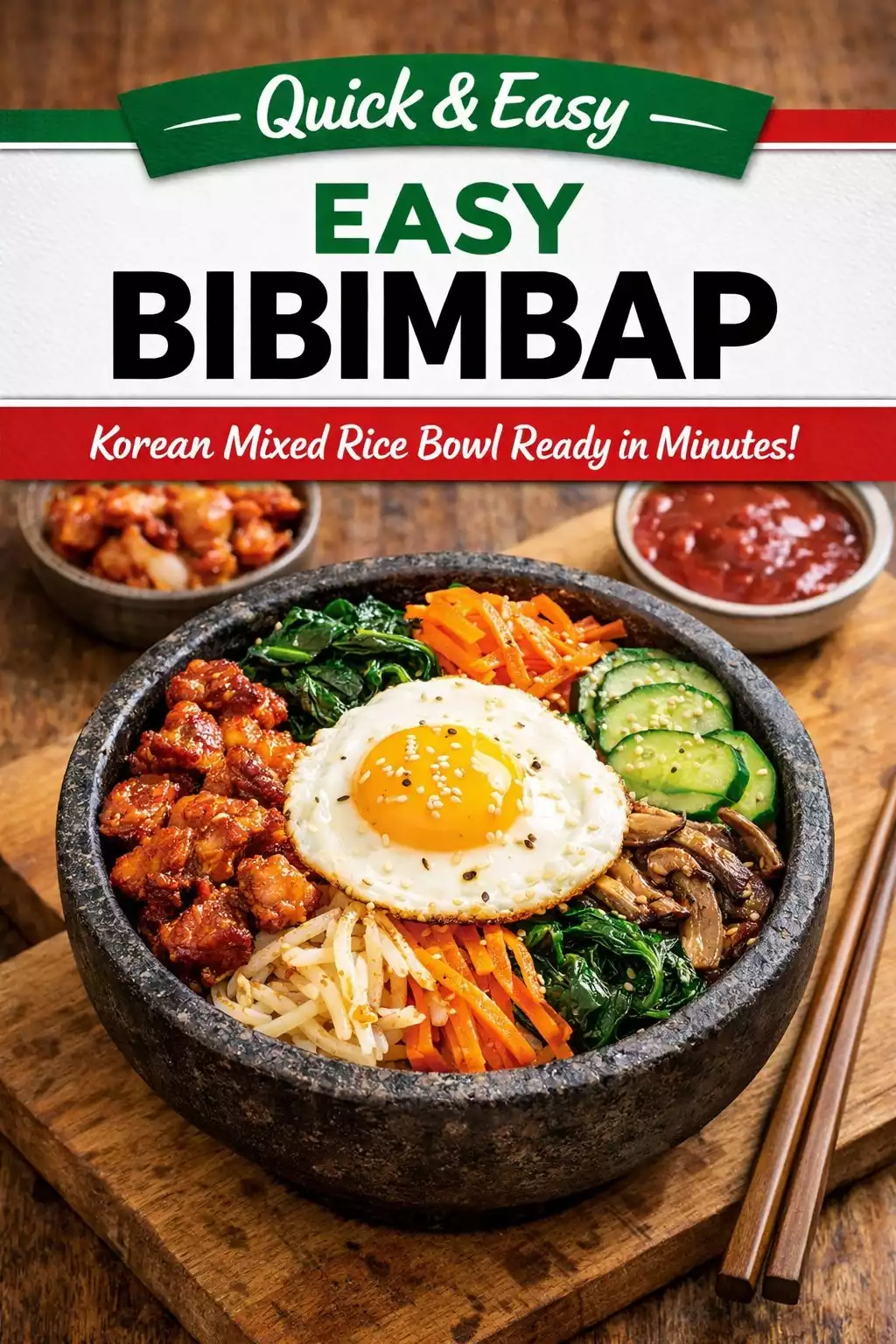
Explore the full Korean recipes range with easy bibimbap, beef bulgogi, and japchae.
Ingredients for Korean Fried Chicken
Serves 4 | Prep: 30 min | Cook: 30 min | Total: 1 hour
The Chicken
- 3 lbs chicken wings, separated into flats and drumettes
- Or 3 lbs boneless chicken thighs, cut into 2-inch pieces
- 1 teaspoon kosher salt
- 1 teaspoon black pepper
- 1 teaspoon garlic powder
- 1 teaspoon ginger powder
The Batter
- 1 cup tapioca starch (or cornstarch)
- ½ cup all-purpose flour
- 1 teaspoon baking powder
- 1 teaspoon salt
- ¾ cup cold water (add gradually)
- 1 tablespoon vodka or soju (optional — evaporates quickly for a crisper crust)
Sauce Option 1: Sweet-Spicy Gochujang (Yangnyeom)
- 3 tablespoons gochujang
- 3 tablespoons honey or rice syrup
- 2 tablespoons soy sauce
- 2 tablespoons rice vinegar
- 4 cloves garlic, minced
- 1 teaspoon ginger, grated
- 1 teaspoon sesame oil
Sauce Option 2: Soy-Garlic Glaze
- 4 tablespoons soy sauce
- 3 tablespoons honey
- 4 cloves garlic, minced
- 1 tablespoon butter
- 1 teaspoon sesame oil
- ½ teaspoon black pepper
For Frying
- Vegetable or canola oil for deep frying (about 4-6 cups)
How to Make Korean Fried Chicken
Step 1: Season the Chicken
Pat the chicken completely dry with paper towels. Season all pieces with salt, pepper, garlic powder, and ginger powder. Toss to coat evenly. Let sit at room temperature for 20-30 minutes. Dry, room-temperature chicken fries better than cold, wet chicken.
Step 2: Make the Batter
Whisk together tapioca starch, flour, baking powder, and salt. Add cold water gradually, whisking until a thin, smooth batter forms — it should coat a spoon but still be runny enough to drip off. Add the vodka or soju if using. The batter should not be thick. A thin batter creates the delicate, crispy crust that’s characteristic of this style.
Step 3: First Fry at 325°F
Heat oil to 325°F in a deep heavy pot or Dutch oven. Dip chicken pieces in the batter, letting excess drip off. Working in batches (don’t crowd), fry for 8-10 minutes until cooked through but only lightly golden. The chicken should be cooked internally (165°F) but the exterior should be pale — you’re not going for color in the first fry. Transfer to a wire rack and let rest for 10-15 minutes. This rest allows the internal steam to dissipate.
Step 4: Make the Sauce
While chicken rests, make your chosen sauce. For gochujang sauce: combine all ingredients in a small saucepan over medium heat, stirring until the honey dissolves and the sauce simmers and thickens slightly — about 3-4 minutes. For soy-garlic: cook garlic in butter over medium heat for 1 minute, add remaining ingredients, simmer until slightly thickened. Both sauces hold at room temperature while you do the second fry.
Step 5: Second Fry at 375°F
Increase oil temperature to 375°F. Return the rested chicken pieces to the oil in batches. Fry for 3-5 minutes until deeply golden, crackling, and audibly crunchy when touched. The second fry at higher temperature drives off remaining moisture in the crust and creates the shattering exterior. Transfer to the wire rack.
Step 6: Sauce and Serve
Transfer fried chicken to a large bowl. Pour the warm sauce over the top and toss quickly to coat every piece. Serve immediately — the crust has a window of approximately 15 minutes before the sauce starts to soften it. Garnish with sesame seeds, sliced scallions, and pickled daikon radish. Serve with extra sauce on the side.
Pro Tips for Perfect KFC
- Dry the chicken completely. Moisture is the enemy of a good crust. Pat every piece completely dry before seasoning and battering. Any residual moisture creates steam during frying that softens the crust from the inside.
- The double fry is non-negotiable. Single-fry Korean fried chicken is just fried chicken. The double fry is what creates the specific crackling crust. If you skip it, you’ve made a different dish.
- Don’t crowd the fryer. Crowding drops the oil temperature dramatically and the chicken steams instead of frying. Work in small batches — 4-5 wings at a time maximum.
- Sauce immediately before serving. Once sauced, the clock is ticking. The sauce softens the crust over time. Sauce only what you’re serving right now and keep the rest unsauced for later.
- Oil temperature monitoring. Use a thermometer. The specific temperatures (325°F then 375°F) exist for a reason. Eyeballing oil temperature produces inconsistent results.
Variations Worth Trying
- Both Sauces: Make a half batch of each sauce and do half gochujang, half soy-garlic. Serve together for variety — the contrast between them is part of the fun.
- Boneless Chicken Bites: Cut boneless thighs into 2-inch pieces and fry exactly the same way. Smaller pieces get even crispier and are perfect for sharing.
- Honey Butter Version: A third classic Korean fried chicken sauce — equal parts butter and honey, a pinch of salt, a drop of garlic. Drizzle over and toss. Sweet, rich, absurdly good.
- Bibimbap Topping: Use bite-sized pieces of soy-garlic KFC as the protein component in easy bibimbap. Unconventional but excellent.
- Sandwich Version: Double-fried thigh or breast, gochujang sauce, pickled daikon, shredded cabbage, and sliced scallions on a brioche bun. Korean fried chicken sandwich is one of the great things in sandwich form.
Storage & Reheating
- Best eaten immediately. Korean fried chicken is at peak texture within 15-20 minutes of saucing. Plan accordingly.
- Refrigerator: 2-3 days in a container. The crust softens but the flavor remains excellent.
- Reheating: Oven at 375°F on a wire rack for 8-10 minutes, or air fryer at 370°F for 5-6 minutes. These methods re-crisp the exterior significantly. Microwave is third-rate — it softens everything further.
- Advance prep: Complete the first fry up to 2 hours ahead. Do the second fry and sauce just before serving for the freshest result.
Frequently Asked Questions
Why double-fry Korean fried chicken?
The first fry cooks the chicken through. During the rest period, internal steam dissipates from the crust. The second fry at higher temperature drives off all remaining moisture and creates a crackly, shatteringly crispy crust that stays crispy under sauce. Single frying produces a crust that steams soft quickly under the sauce.
Can I use an air fryer?
Yes, with limitations. Coat in starch (skip the wet batter), spray generously with oil, and air fry at 400°F for 20-25 minutes, flipping halfway. You won’t achieve the same crust as deep frying, but the flavor of the sauce is still excellent and it’s significantly lighter.
What’s the difference between Korean fried chicken and regular fried chicken?
Double frying (regular is single-fried), thinner and crispier starch-based batter instead of thick flour coating, and the specific sweet-spicy-savory sauces applied after frying. Regular American fried chicken is typically seasoned flour-coated and served unsauced or with sauce on the side. KFC is sauced and glazed, with a thinner, crispier crust.
Where can I buy gochujang?
Korean and Asian grocery stores always have it. Increasingly available at Whole Foods, Target, and mainstream supermarkets in the international foods aisle. The Bibigo and CJ Haechandle brands are the most widely available. Buy the tube or tub — it keeps refrigerated for many months once opened.