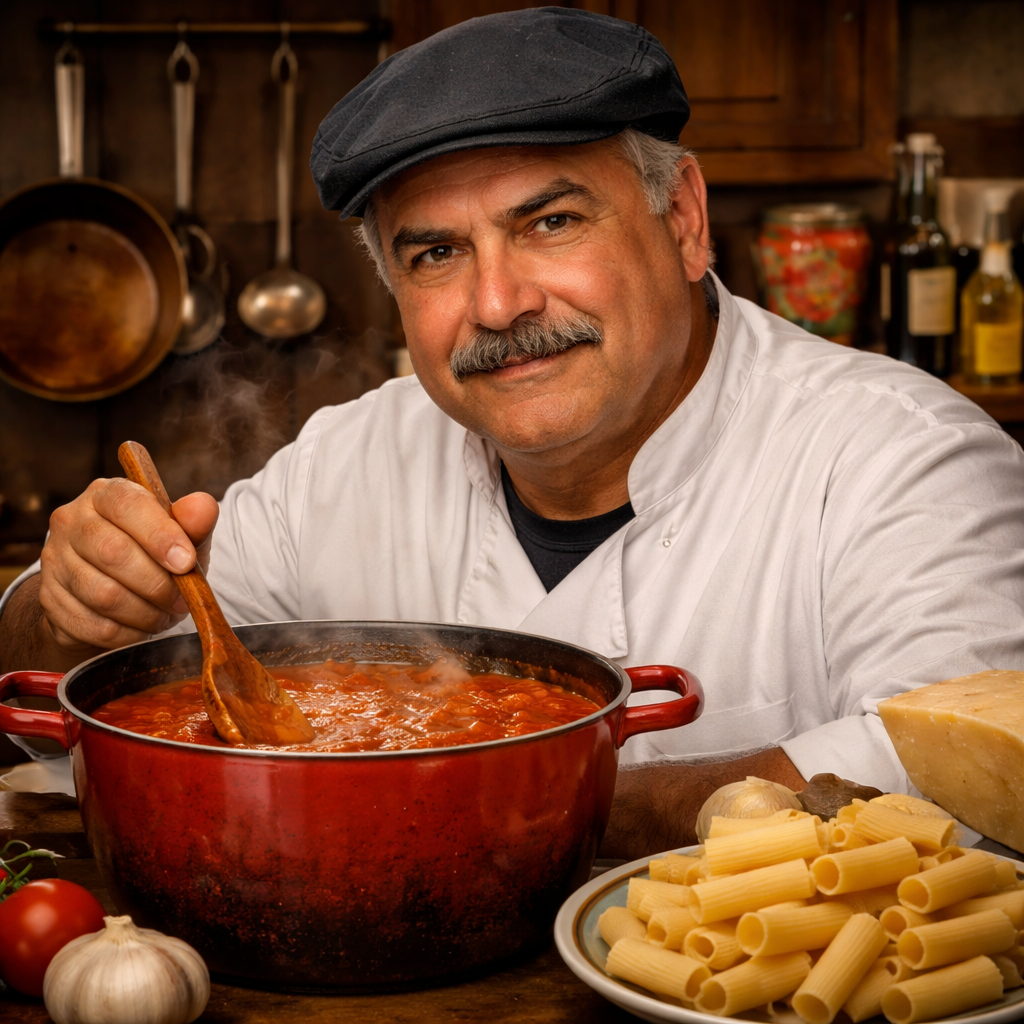
CPay attention. 6 Casserole Recipes — the category that gets dismissed by serious cooks and eaten enthusiastically by everyone else. I’ve made my peace with casseroles. After thirty years on the line, I understand the appeal: one pan, oven does the work, feeds a crowd, improves overnight in the refrigerator. The problem isn’t the format. The problem is the execution. Most casseroles fail in the filling — underseasoned, relying entirely on condensed soup for flavor and body.
The casseroles in this collection have been built correctly: with properly seasoned fillings, with sauce developed from real ingredients (or enhanced canned bases that have been treated with respect), and with toppings that actually have texture. A casserole with a golden crust is a different thing from one where everything is the same uniform soft consistency. These recipes know the difference.
That’s not a suggestion. Every recipe in this collection was built with the same attention to why techniques work — not just what the steps are. Understanding the why is how you cook consistently instead of occasionally.
Thirty years in kitchens — this is the version that stuck. Use this collection as your reference point and come back to it.
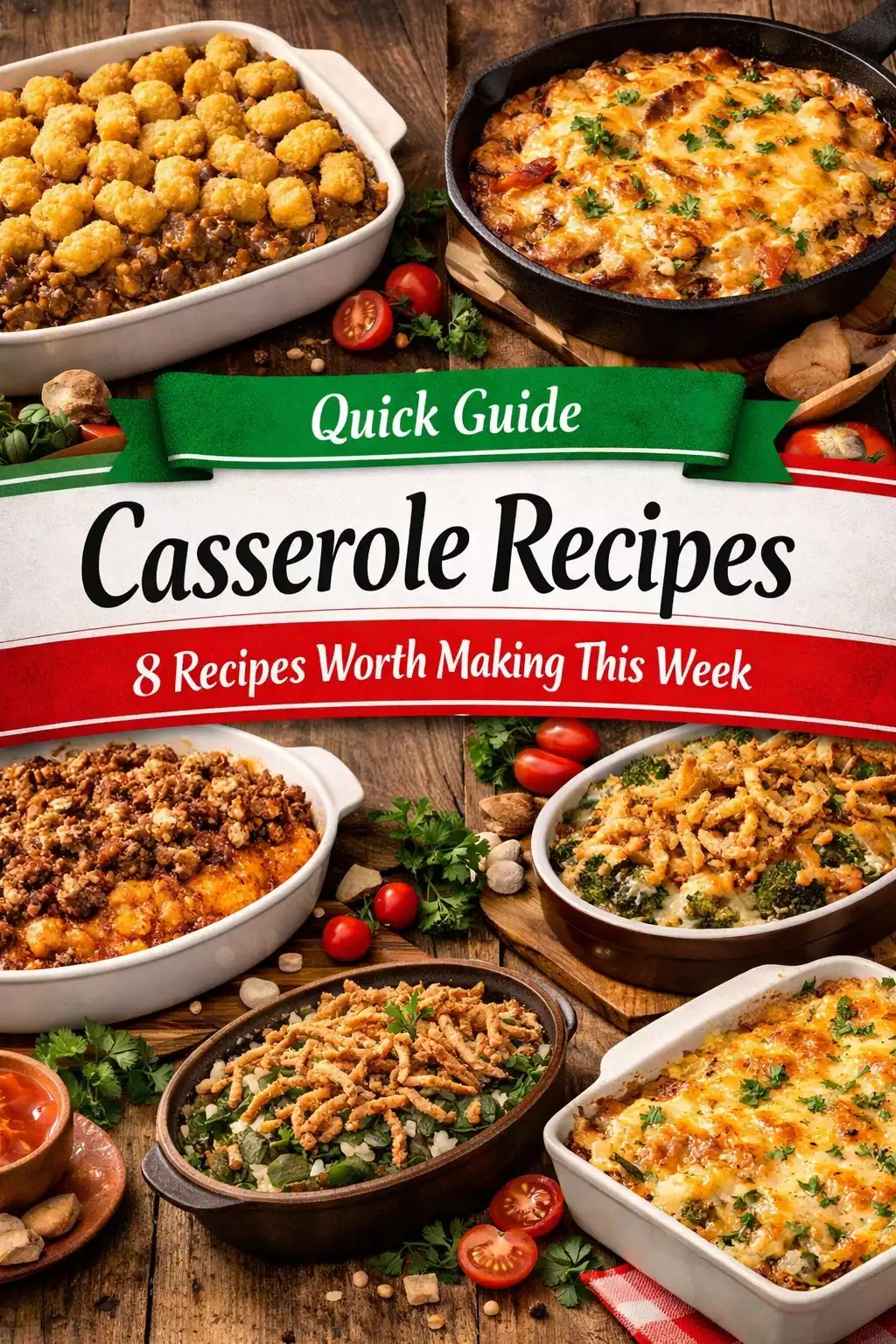
Recipes In This Collection
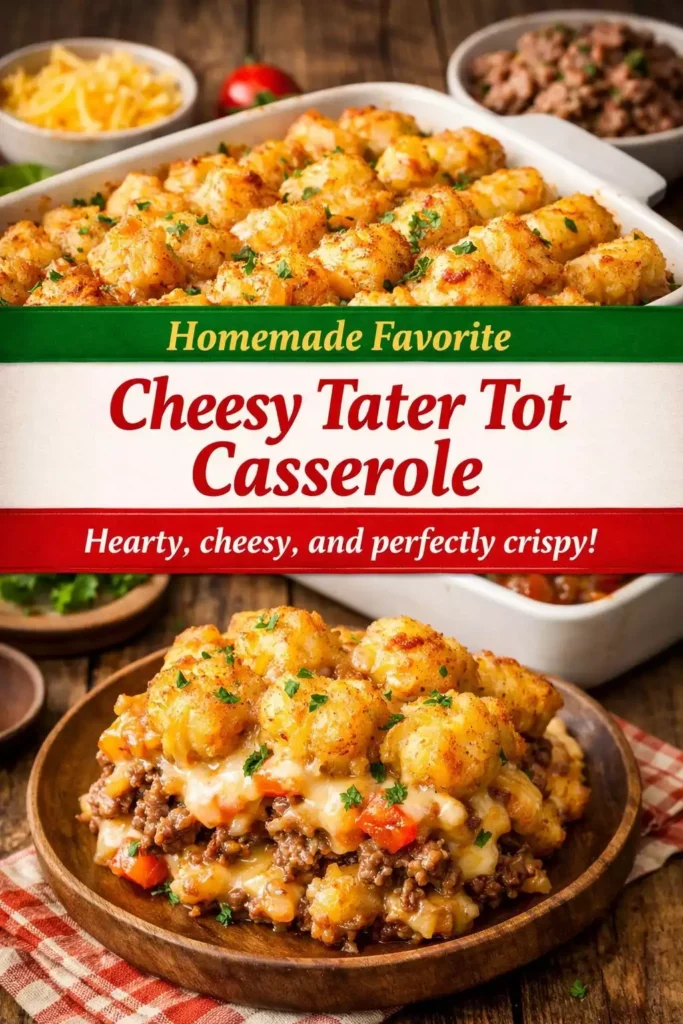
Cheesy Tater Tot Casserole
Ground beef and cream of mushroom under a layer of tater tots baked until the tops are golden and everything underneath is bubbling.
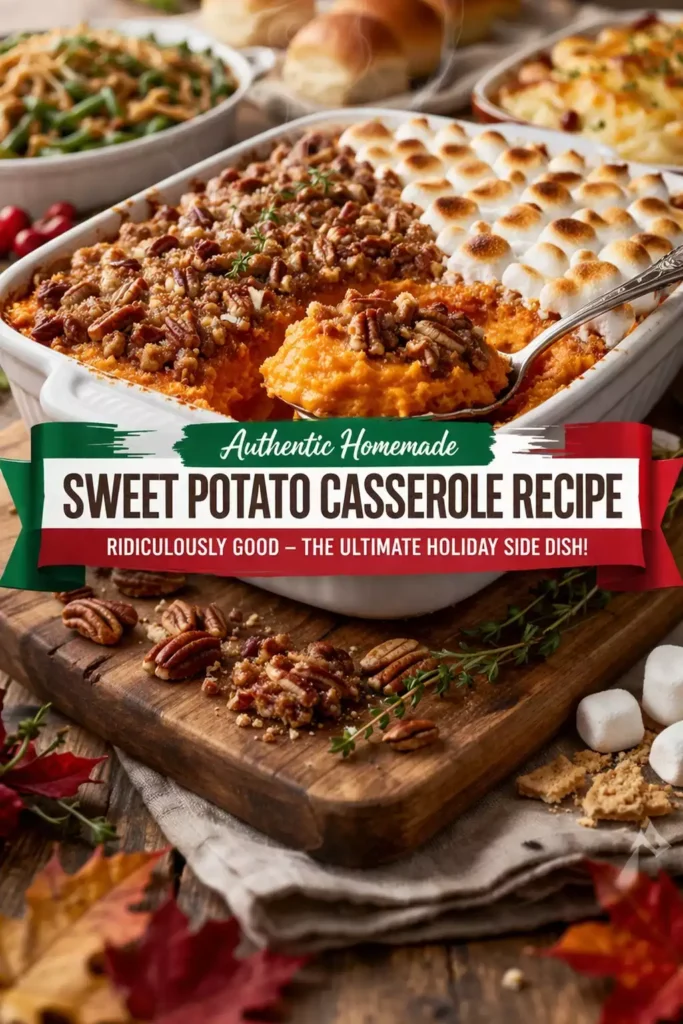
Sweet Potato Casserole
Sweet potatoes with a brown sugar pecan crust — the version that belongs on a holiday table because it’s actually good, not just traditional.
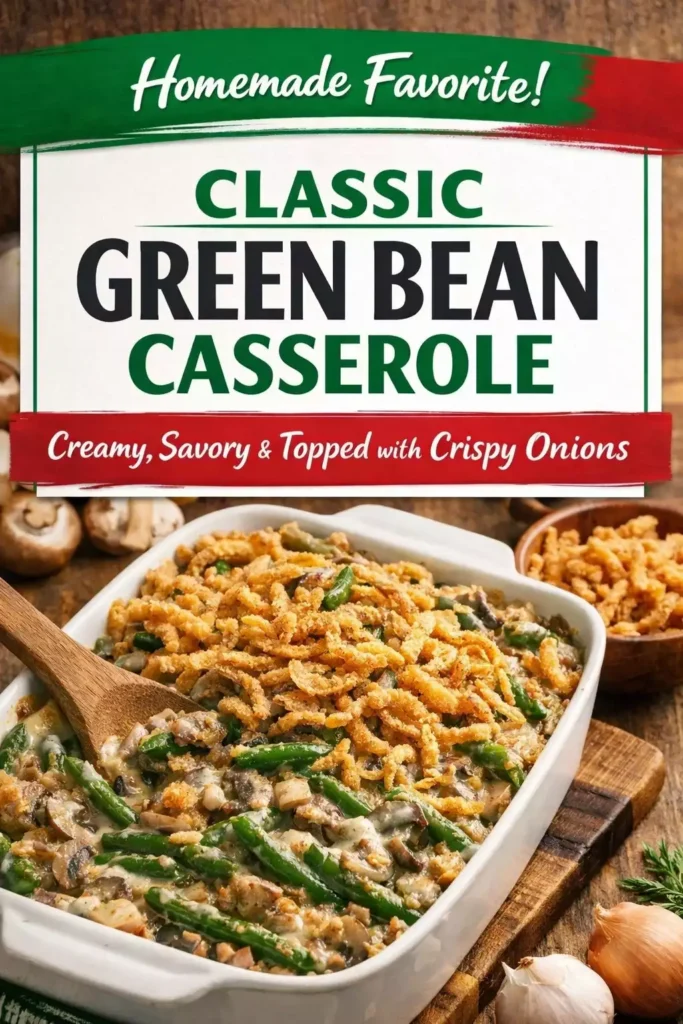
Classic Green Bean Casserole
Proper bechamel, not a can of soup, with fresh-fried onions on top that actually stay crispy. The holiday side that earns its place on the table.
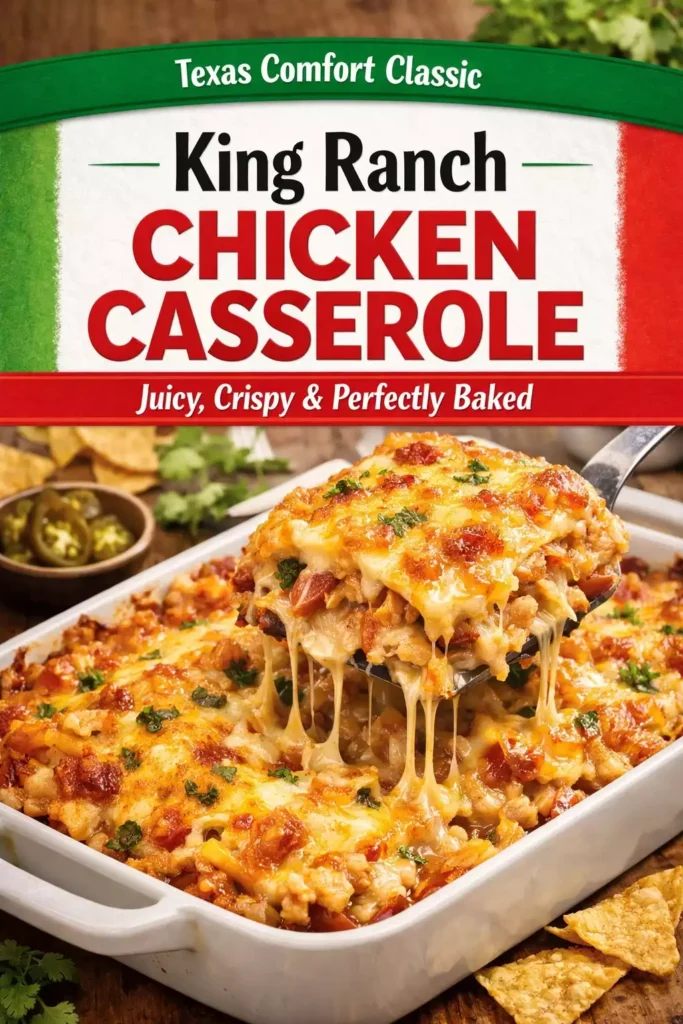
King Ranch Chicken Casserole
The Texas classic: layered tortillas, chicken, Ro-Tel tomatoes, and cheese — a casserole that comes out with a crust on top and pulls apart in the center.
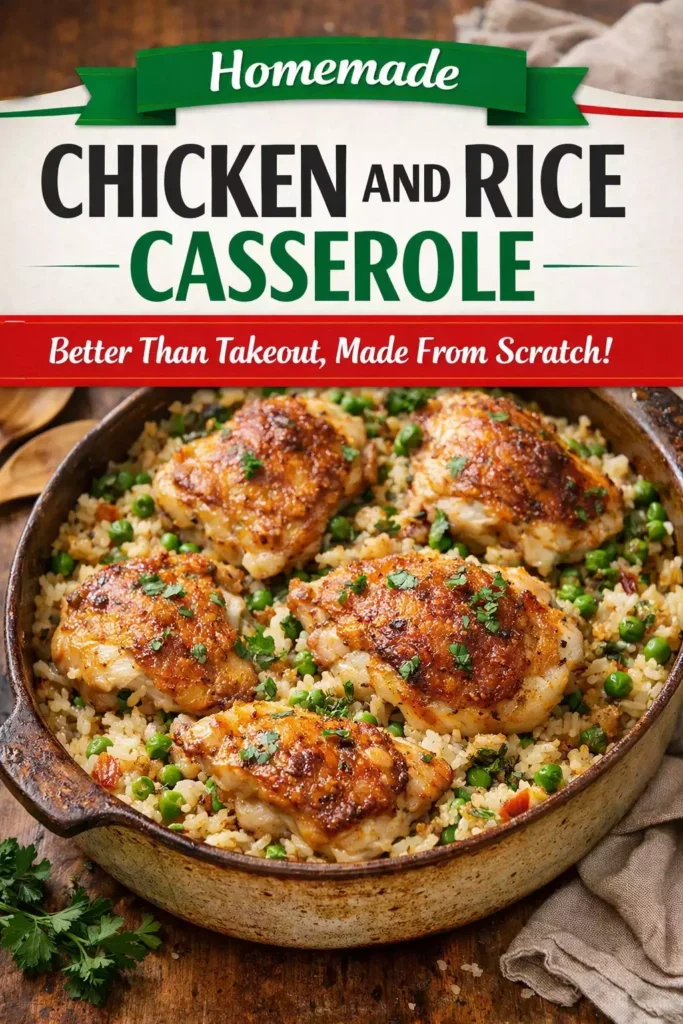
Chicken and Rice Casserole
Everything layered into one pan and baked until it comes together — the format that feeds a crowd and reheats better than almost anything else.
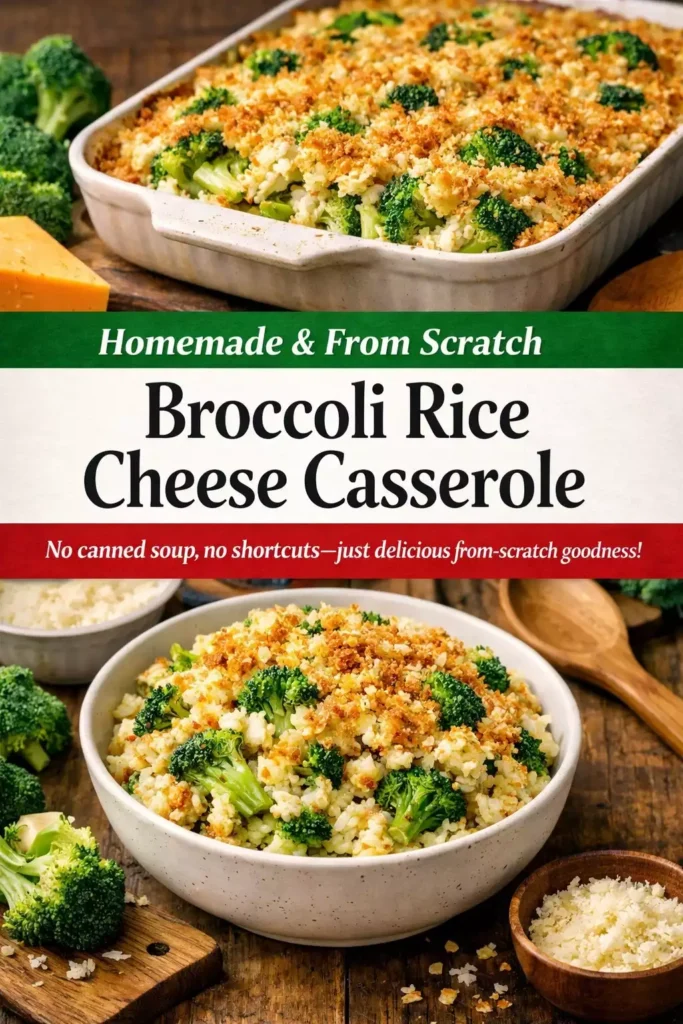
Broccoli Rice Cheese Casserole
Everything layered into one pan and baked until it comes together — the format that feeds a crowd and reheats better than almost anything else.
Where Most People Blow It
Build the filling first. The condensed soup is a base, not a complete sauce. Sauté aromatics, season properly, add depth with Worcestershire or stock. The soup goes in after — not instead of — that work.
Use cheese you shred yourself. Pre-shredded cheese has anti-caking coating that prevents smooth melting. For casseroles where melted cheese is structural, block cheese grated fresh produces clean, uniform melt.
Season aggressively. The oven dilutes seasoning. A filling that tastes properly seasoned before it goes in comes out tasting adequate. Season to what tastes slightly too salty going in.
Cover, then uncover. Cover with foil for the first two-thirds of bake time to prevent the top from drying out. Uncover for the last third to brown the surface. Most casserole recipes get this backwards.
Make it ahead. Casseroles are inherently make-ahead food. Most can be assembled, refrigerated overnight, and baked the next day. They improve in the refrigerator as the components absorb and meld.
Frequently Asked Questions
Can I freeze casseroles?
Most yes — before baking. Assemble, cover tightly, freeze for up to three months. Thaw overnight in the refrigerator, then bake as directed, adding 15-20 minutes covered to account for the temperature difference.
Why is my casserole watery?
The ingredients released moisture during baking. Common culprits: undrained canned vegetables, fresh vegetables that weren’t cooked first, unsqueezed defrosted frozen vegetables. Pre-cook or drain all ingredients before assembly.
How do I reheat a casserole without drying it out?
Cover with foil and reheat at 325°F — lower than the original bake temperature. Add a splash of broth or milk under the foil if the filling looks dry. Uncover for the last 5 minutes to re-crisp the top.
What’s the best size baking dish?
9×13 inch feeds 6-8 people. An 8×8 or 2-quart dish feeds 4. Don’t scale down a 9×13 recipe into an 8×8 without adjusting the bake time — the increased depth changes everything.
All Recipes In This Collection
Cheesy Tater Tot Casserole
Sweet Potato Casserole
Classic Green Bean Casserole
King Ranch Chicken Casserole
Chicken and Rice Casserole
Broccoli Rice Cheese Casserole
Related collections: Pasta Recipes · Chicken Recipes · Beef Recipes · Potato Recipes · Easy Dinner Recipes