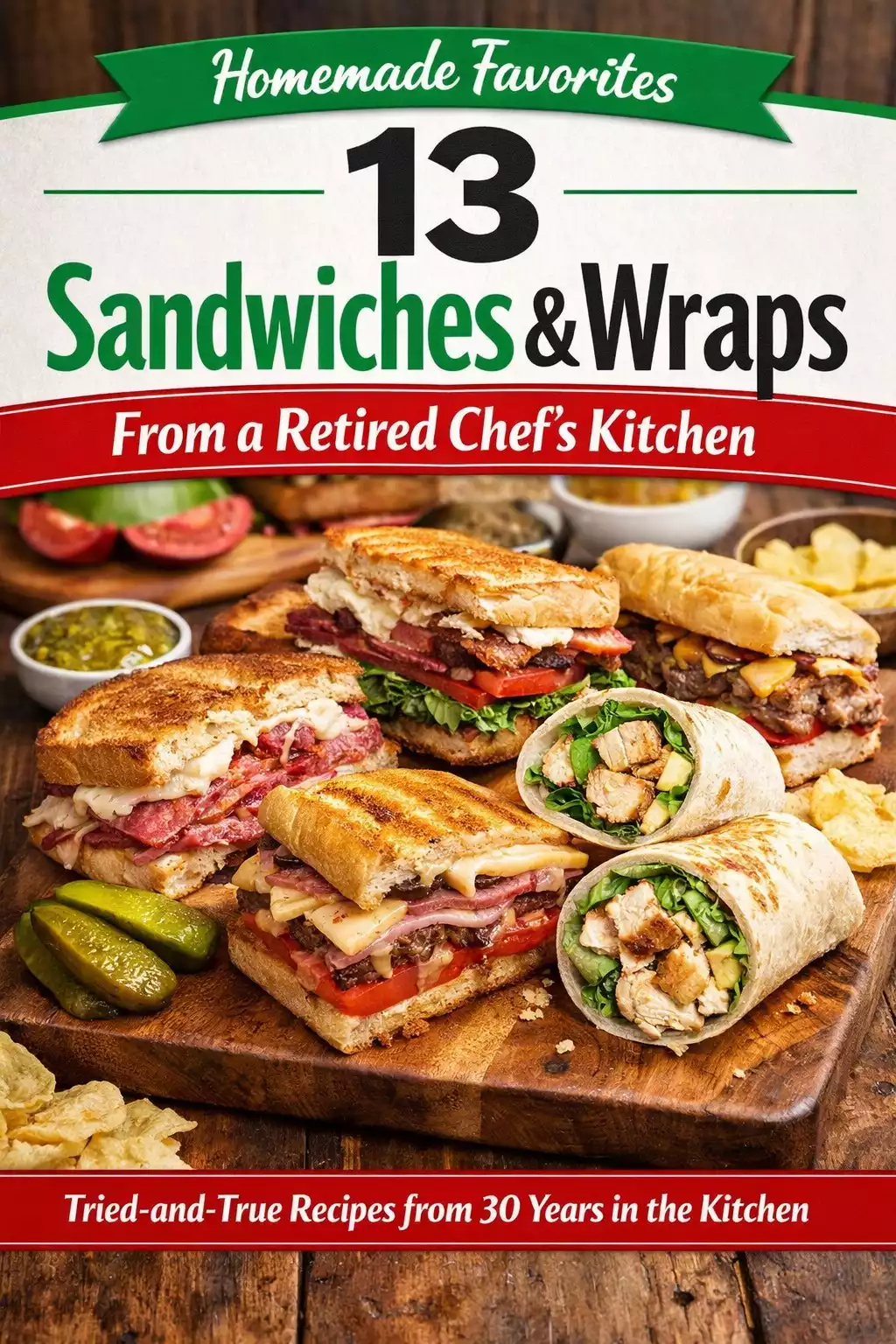
SAscolta — listen to me. Eleven sandwich and wrap recipes — the category that proves a simple format is not a simple skill. A properly constructed BLT is different from a poorly constructed one in ways that are immediately apparent in the first bite: the bread toasted correctly, the bacon cooked to the right texture, the tomato salted, the lettuce cold and crisp. These are not difficult distinctions to make. They’re easy distinctions to make if you’re paying attention.
The same precision applies to everything in this collection: the Reuben where the corned beef is warmed in the fat in the pan before the sandwich is assembled. The Cuban where the press creates that thin, crispy exterior with a molten interior. The Philly where the cheese goes on while the pan is still hot. Every sandwich in this collection is built with technique, not just stacked.
Non-negotiable. Every recipe in this collection was built with the same discipline that defines thirty years of professional cooking: understand why the technique works, follow the steps that produce the result, and don’t take shortcuts that cost you the dish.
Thirty years in kitchens — this is the version that stuck. Add these to your rotation and cook them until the technique is automatic.
Recipes In This Collection
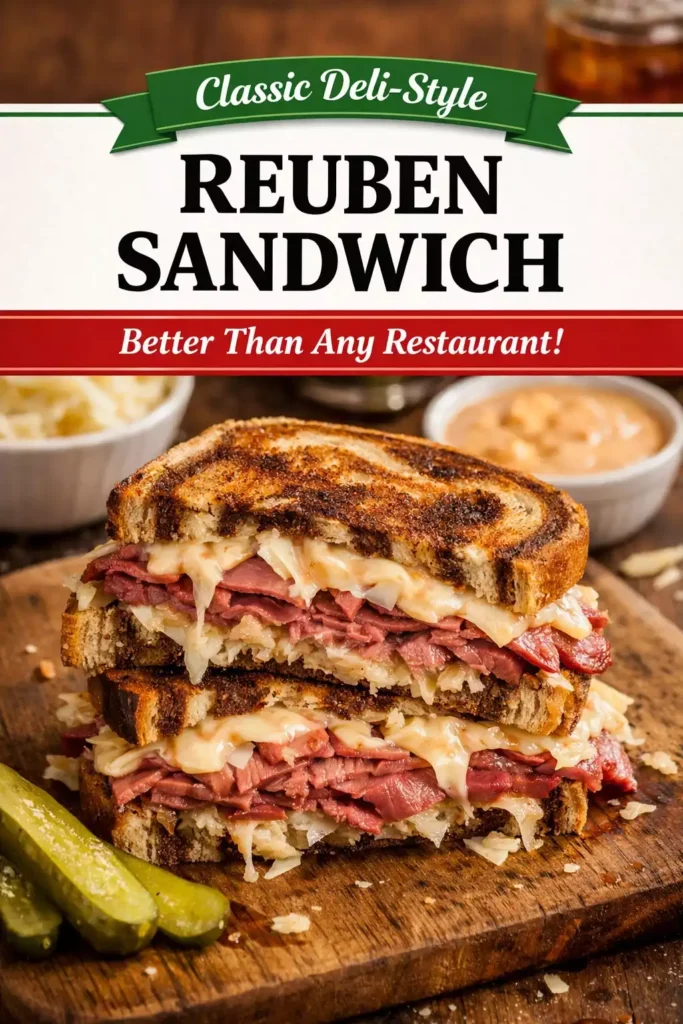
Classic BLT Sandwich
The kind of sandwich that requires both hands — layered properly, with the right condiment-to-filling ratio and a bread that holds without disintegrating.
Egg Salad Sandwich
Dressed while still warm or built with the right ratio — the salad that earns its place on the table instead of disappearing quietly at the back.
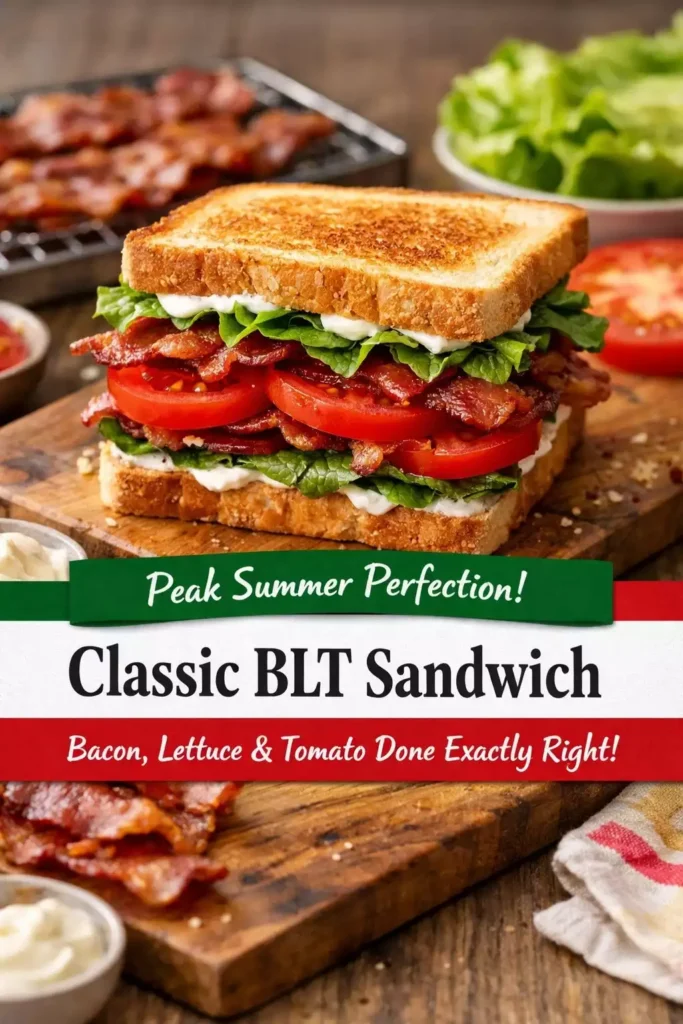
Classic Reuben Sandwich
The kind of sandwich that requires both hands — layered properly, with the right condiment-to-filling ratio and a bread that holds without disintegrating.
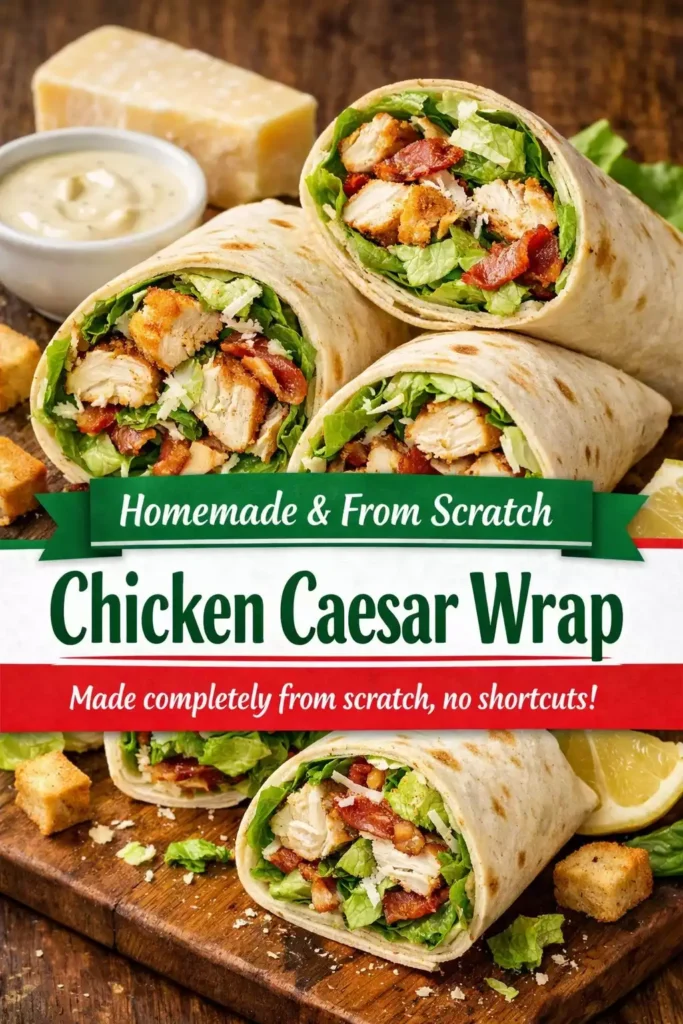
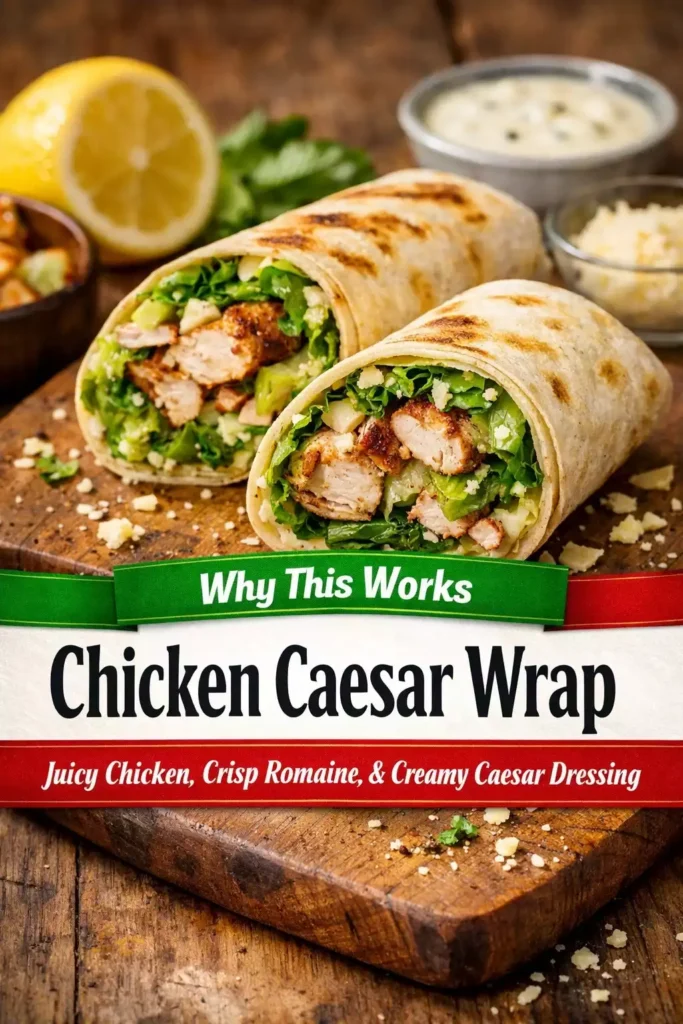
Chicken Caesar Wrap
Chicken Caesar Wrap — the version built on proper technique and real ingredients. Calibrated for consistent results every single time.
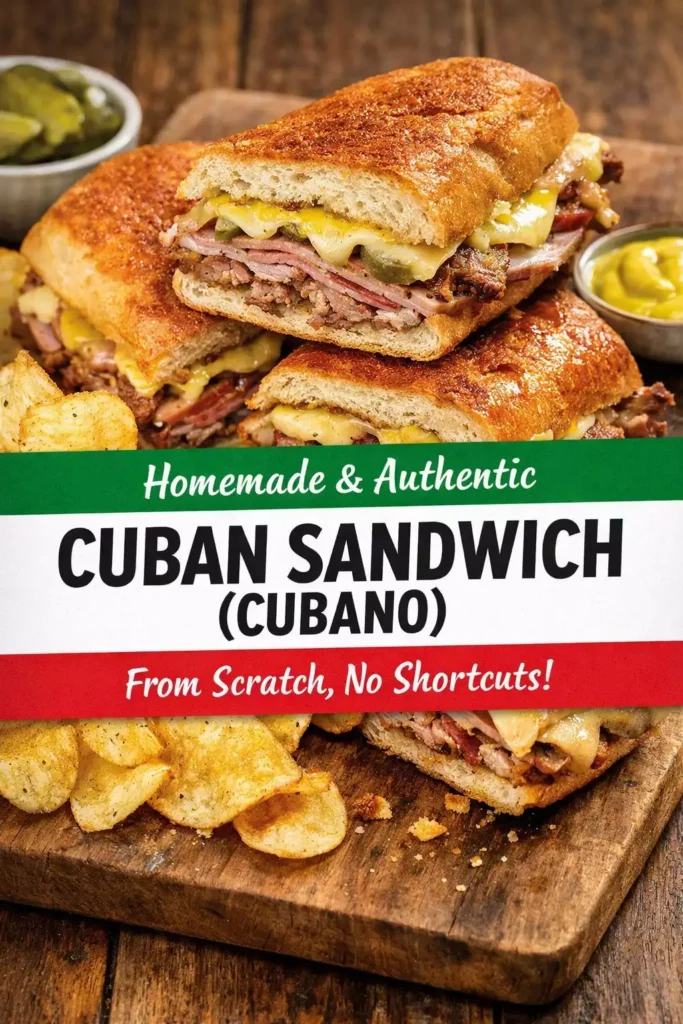
Cuban Sandwich (Cubano)
The kind of sandwich that requires both hands — layered properly, with the right condiment-to-filling ratio and a bread that holds without disintegrating.
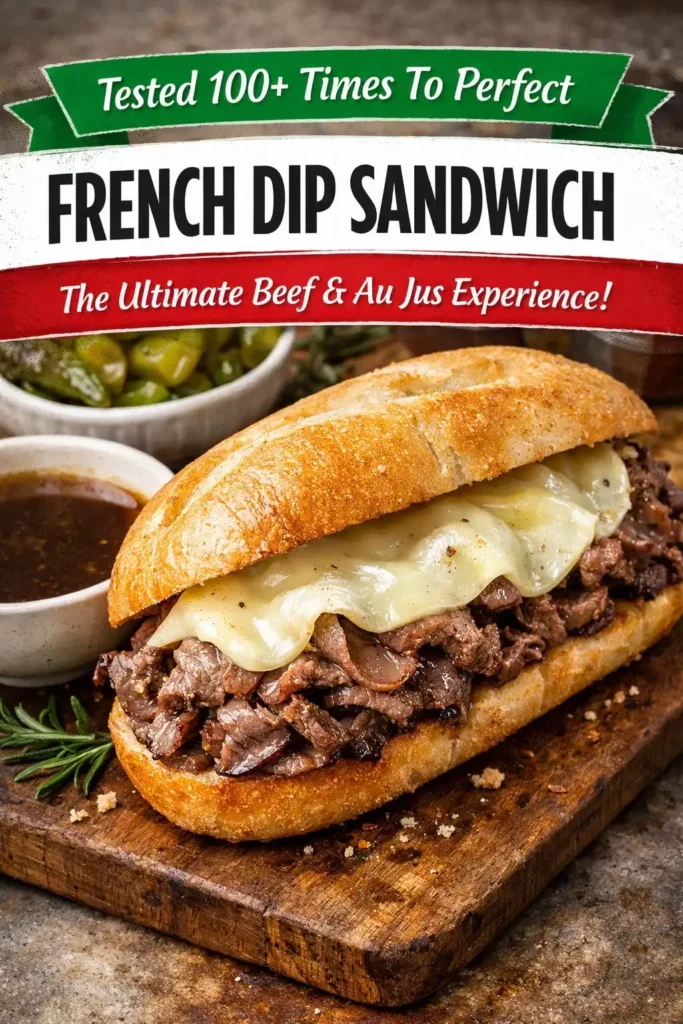
French Dip Sandwich
The kind of sandwich that requires both hands — layered properly, with the right condiment-to-filling ratio and a bread that holds without disintegrating.

Philly Cheesesteak
A properly seared steak: screaming hot pan, dry surface, butter-baste at the end. The technique that produces restaurant-worthy crust at home.
Club Sandwich
The kind of sandwich that requires both hands — layered properly, with the right condiment-to-filling ratio and a bread that holds without disintegrating.
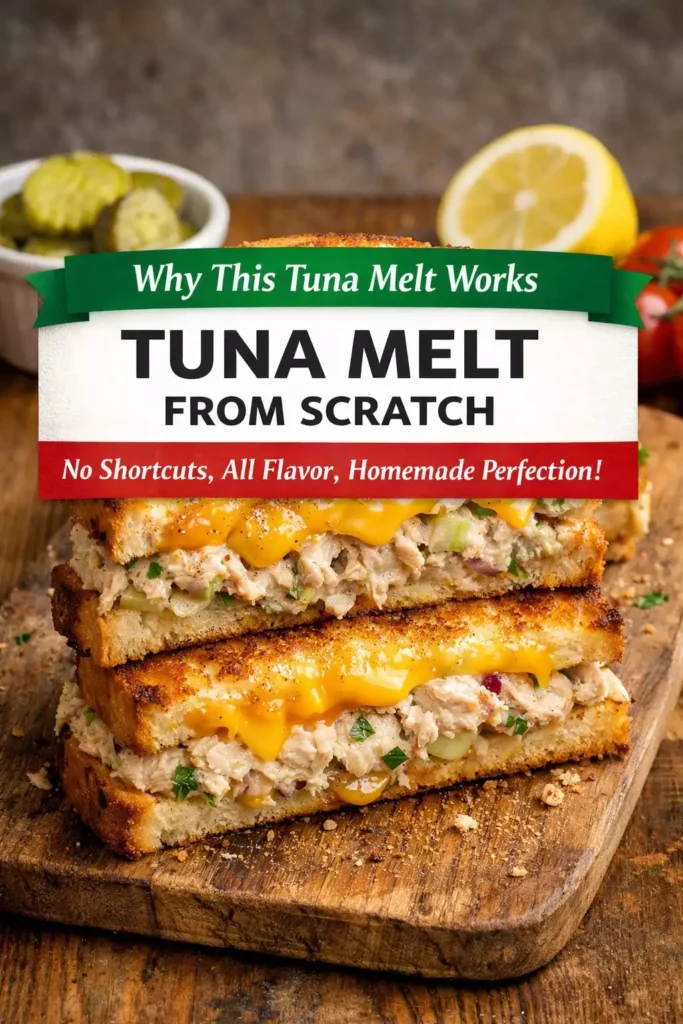
Tuna Melt
The kind of sandwich that requires both hands — layered properly, with the right condiment-to-filling ratio and a bread that holds without disintegrating.
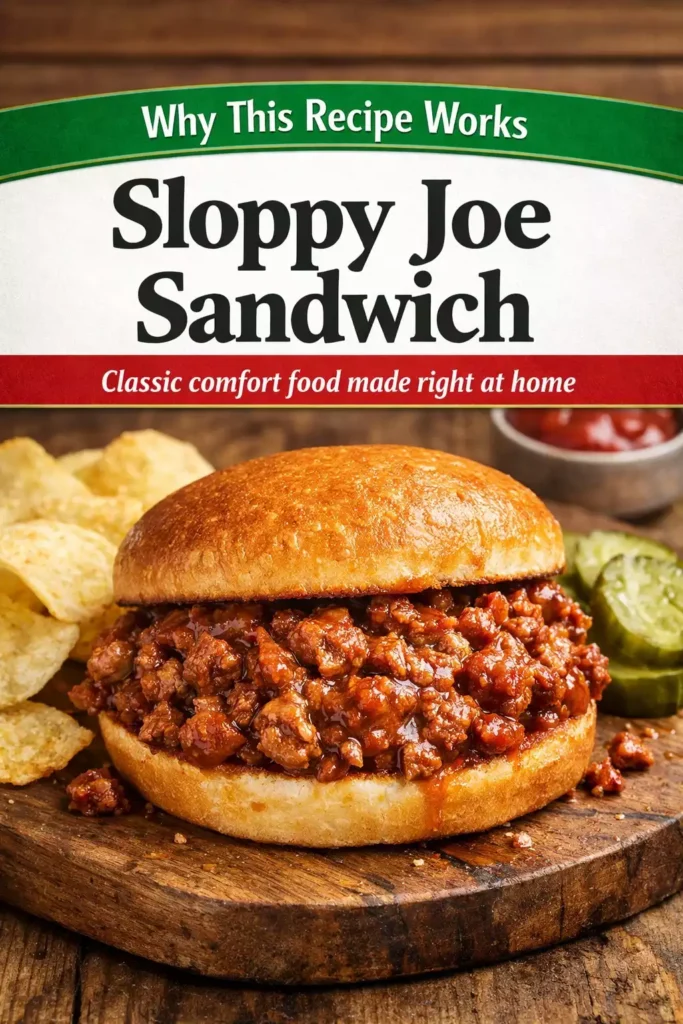
Sloppy Joe Sandwich
The kind of sandwich that requires both hands — layered properly, with the right condiment-to-filling ratio and a bread that holds without disintegrating.
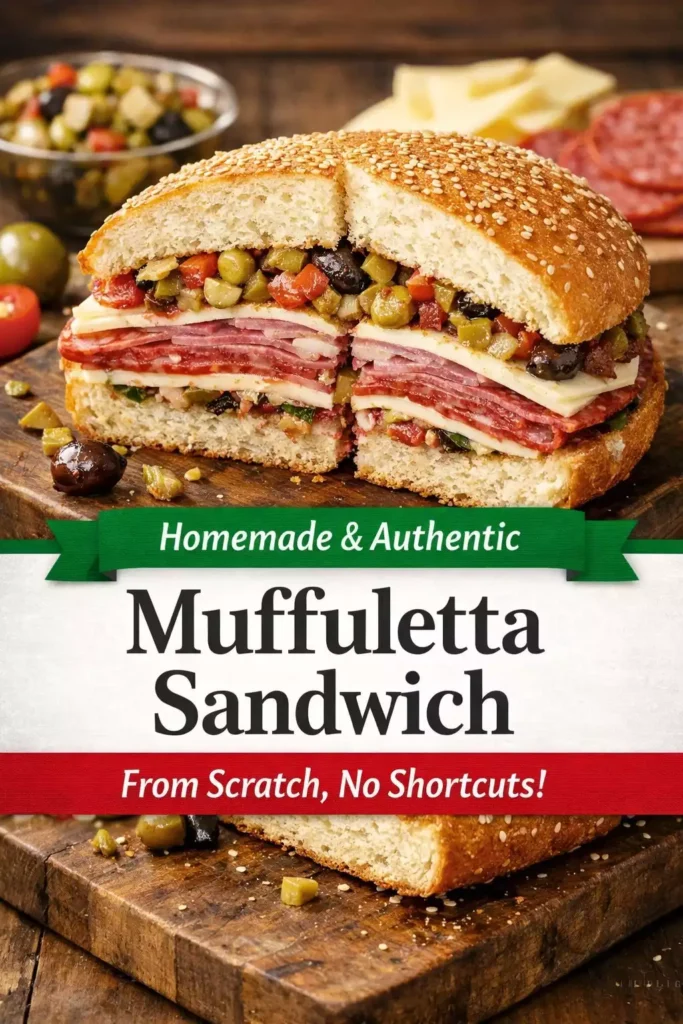
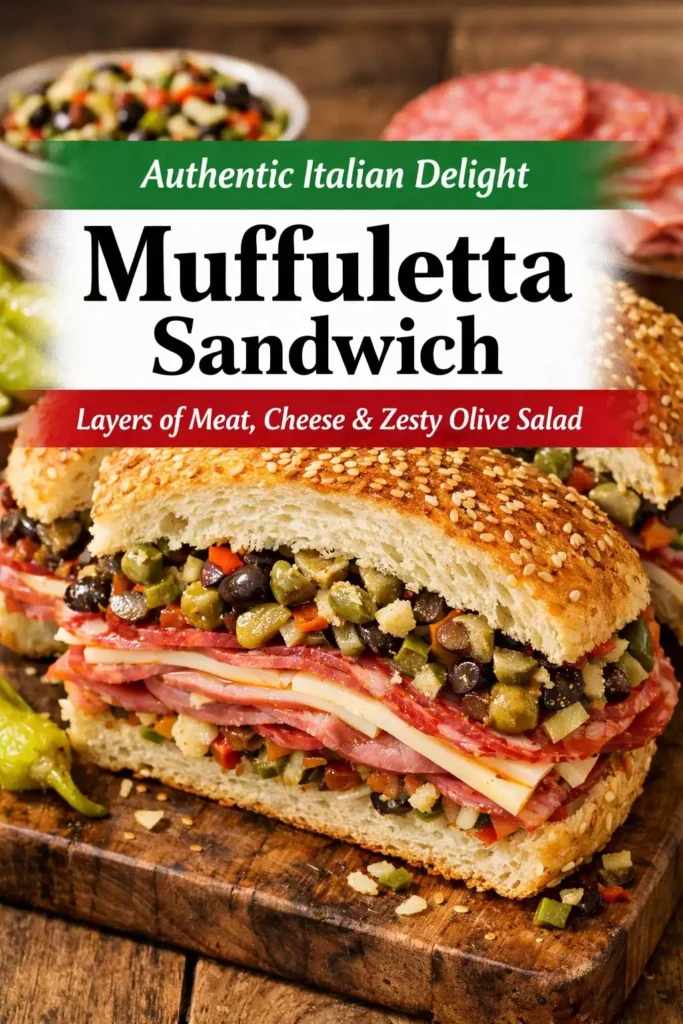
Muffuletta Sandwich
The kind of sandwich that requires both hands — layered properly, with the right condiment-to-filling ratio and a bread that holds without disintegrating.
Greek Wrap
Greek Wrap — the version built on proper technique and real ingredients. Calibrated for consistent results every single time.
Where Most People Blow It
Toast the bread. The vast majority of sandwiches are better on toasted bread. Toast creates a textural barrier that prevents the filling from making the bread soggy. It also adds flavor. The exceptions are specifically constructed sandwiches where you want the bread soft — but even then, lightly toasted is rarely wrong.
Salt the tomatoes. A tomato that hasn’t been salted is a different thing from a salted tomato in a sandwich. Two minutes of salt on a sliced tomato draws out the water and concentrates the flavor. The BLT is better for it.
Fat side down. Whatever the fat surface of a sandwich is — the mayo side, the buttered side — goes toward the heat source or toward the bread exterior. This is the rule that makes a grilled cheese properly golden rather than pale.
Temperature contrast creates sandwich quality. Cold lettuce against warm protein, melted cheese against cool pickles — temperature contrast is what makes a good sandwich feel composed rather than assembled. Think about what should be hot and what should be cold.
Press the sandwich. A Cuban, a panini, any sandwich where the components need to meld — press it. Either with a sandwich press or with a heavy pan on top. The pressure seals the components together and creates the exterior crust that makes the format work.
Frequently Asked Questions
What’s the right bread for each sandwich?
Rye for a Reuben. Italian roll for a Philly. Cuban roll for a Cuban. Pullman white for a club or BLT. The bread is a structural component, not just a delivery vehicle. Wrong bread changes the sandwich.
Can I make sandwiches ahead?
Dry sandwiches (no dressing or wet ingredients) keep well. Dress and add wet ingredients right before eating — tomatoes, lettuce, and sauces make bread soggy fast.
How do I keep a wrap from unrolling?
Tuck the bottom before rolling so there’s a closed end. Roll tightly from the bottom, keeping tension. Secure with a toothpick for serving. If wrapping for transport, foil helps hold the shape.
What makes a Philly cheesesteak authentic?
Ribeye shaved thin, cooked on a flat griddle with onions (provolone or Cheez Whiz for cheese, your choice), on an Amoroso roll if you can find one. The specific cheese and the roll are where most outside-Philadelphia versions fall short.
All Recipes In This Collection
Classic BLT Sandwich
Egg Salad Sandwich
Classic Reuben Sandwich
Chicken Caesar Wrap
Cuban Sandwich (Cubano)
French Dip Sandwich
Philly Cheesesteak
Club Sandwich
Tuna Melt
Sloppy Joe Sandwich
Muffuletta Sandwich
Greek Wrap
Related collections: Chicken Recipes · Bread Recipes · Easy Dinner Recipes · Egg Recipes · Casserole Recipes