KPay attention. 4 Korean Recipes — from an Italian-American cook who spent decades working next to Korean, Chinese, and Japanese chefs who were better at their cuisines than I’d ever be at mine, and who taught me enough of the fundamentals to cook their food with respect. Korean cooking has a specificity of flavor — the balance between fermented depth, sweetness, heat, and sesame — that requires the right ingredients and the right technique. This collection uses both.
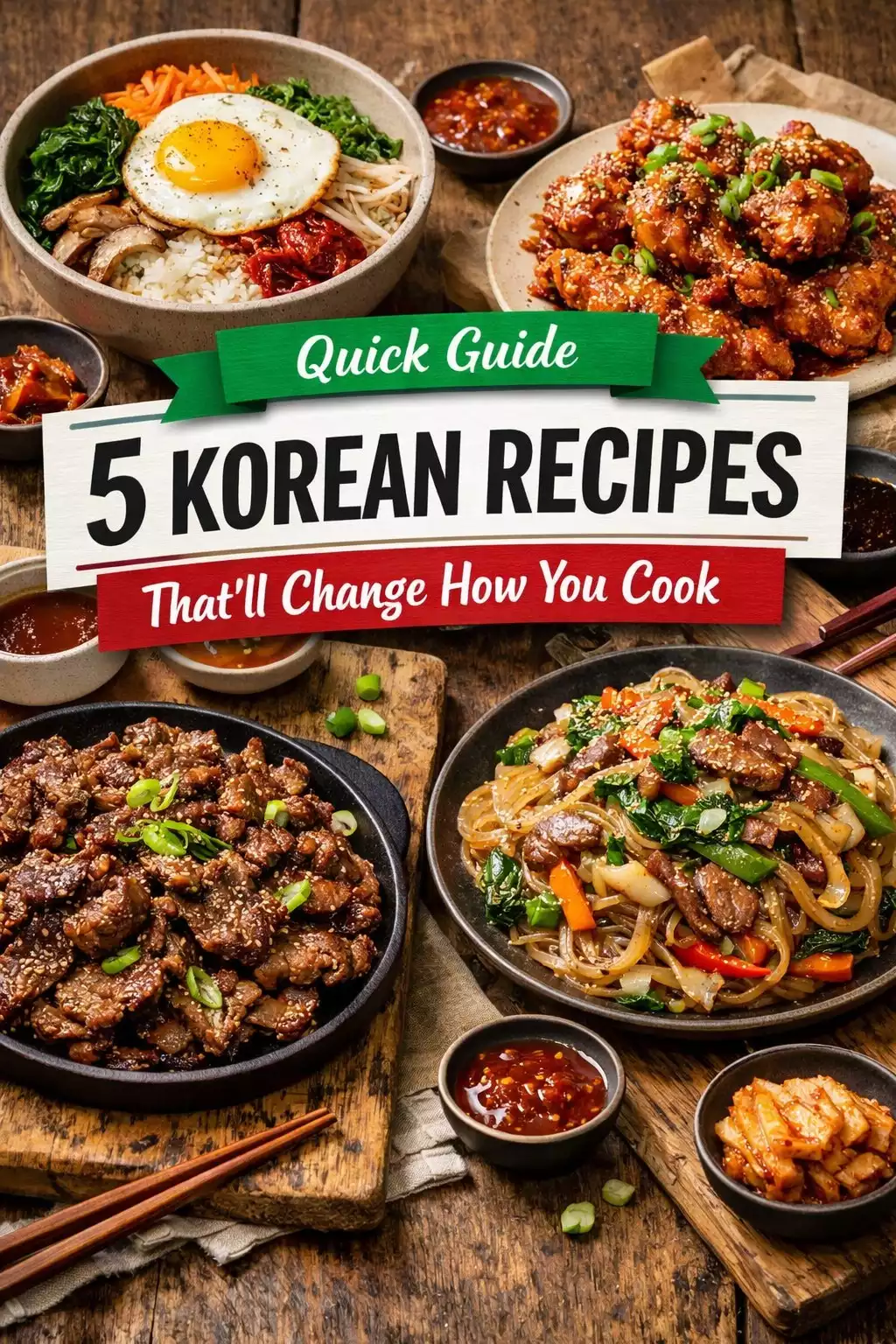
The four recipes here represent the range of Korean home cooking: a quick stovetop preparation (bulgogi), a composed rice bowl that requires multiple components (bibimbap), a fried chicken that requires a specific double-fry technique, and a glass noodle stir-fry that is as versatile as pasta. All four are achievable at home with the right pantry — gochujang, sesame oil, doenjang (fermented soybean paste), gochugaru — and the right approach.
Respect the process. Every recipe in this collection was built with the same attention to why techniques work — not just what the steps are. Understanding the why is how you cook consistently instead of occasionally.
Make it once. You’ll never go back. Use this collection as your reference point and come back to it.
Recipes In This Collection
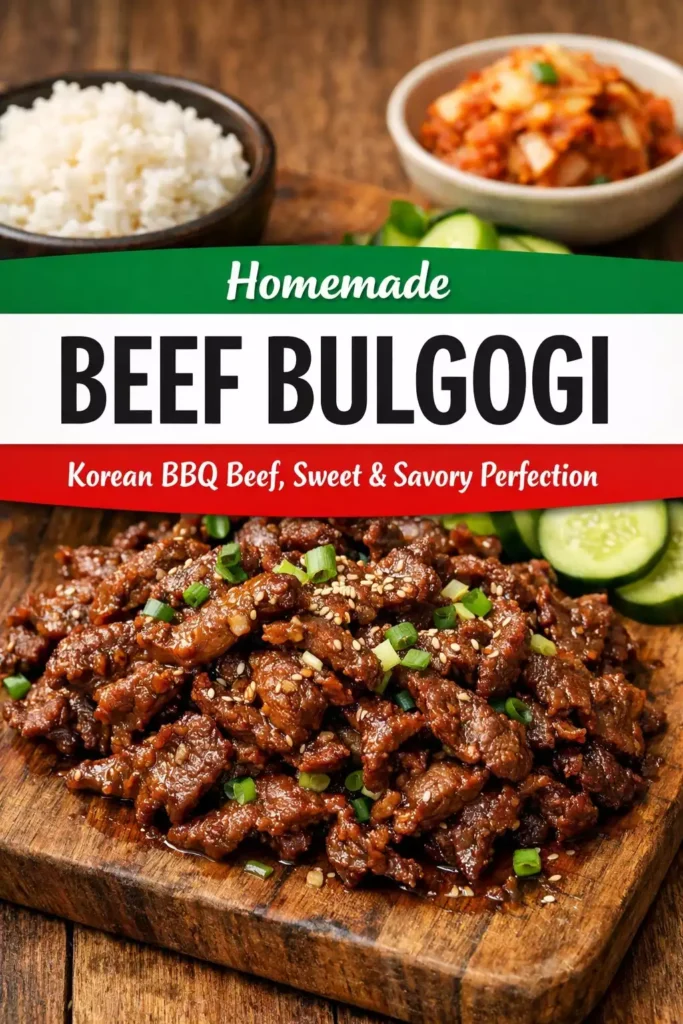
Beef Bulgogi
The Korean technique that balances sweet, savory, and heat in a way that makes this one of the most craveable cuisines in the world.
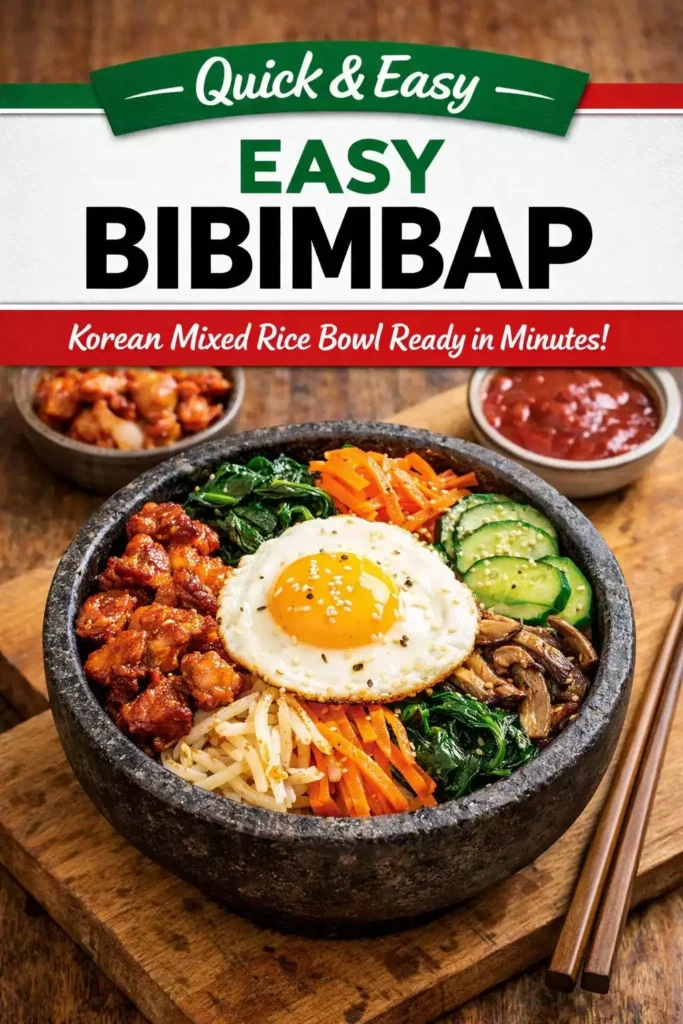
Easy Bibimbap
The Korean technique that balances sweet, savory, and heat in a way that makes this one of the most craveable cuisines in the world.
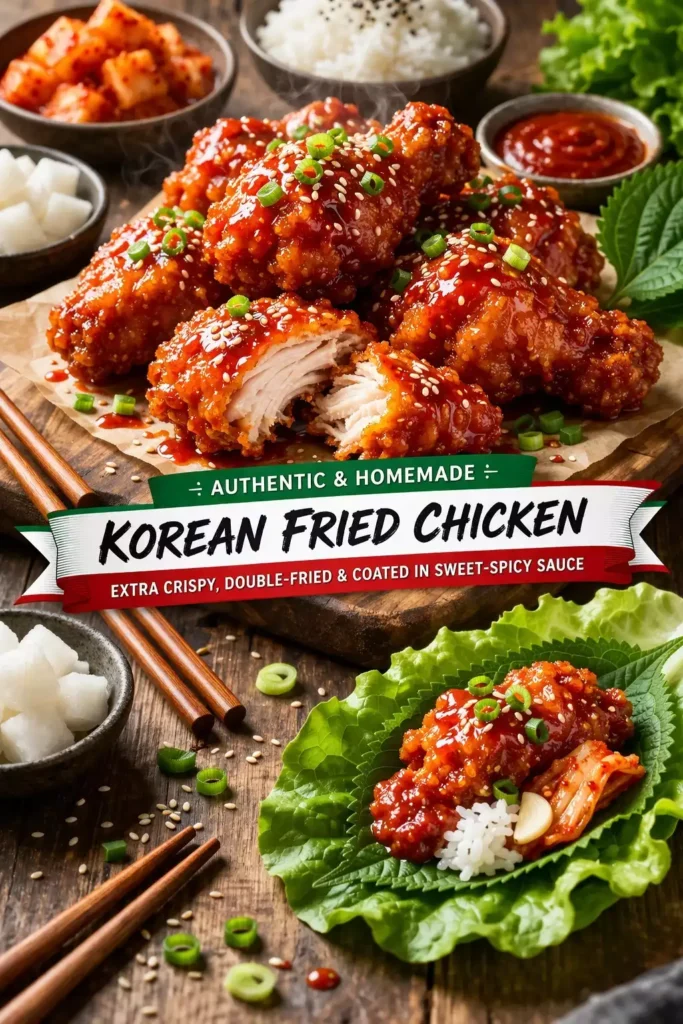
Korean Fried Chicken
The Korean technique that balances sweet, savory, and heat in a way that makes this one of the most craveable cuisines in the world.
Japchae (Korean Glass Noodles)
The Korean technique that balances sweet, savory, and heat in a way that makes this one of the most craveable cuisines in the world.
Where Most People Blow It
Build the Korean pantry first. Gochujang (fermented chili paste), gochugaru (Korean chili flakes), sesame oil, soy sauce, and doenjang are the five essentials. Without them, these recipes produce approximations. With them, they produce the real thing. Asian grocery stores stock all five.
High heat for stir-fry. Korean stovetop cooking requires higher heat than most Western preparations. A cast-iron skillet or carbon steel wok at maximum heat, not medium-high. The color and texture you’re looking for only happens at real heat.
Marinate bulgogi at least one hour. The pear or kiwi in a proper bulgogi marinade contains enzymes that tenderize the beef. You need time for that to work. Minimum one hour, overnight is better.
Double-fry for Korean fried chicken. Par-fry at lower temperature to cook through, rest, then fry again at higher temperature to finish the crust. The double fry is non-negotiable — it’s the technique that produces the crunch that holds for hours.
Sesame oil at the end. Sesame oil’s flavor compounds are volatile and degrade under heat. Add it at the end of cooking — as a finishing oil, not a cooking oil — to preserve the nutty, aromatic quality that defines Korean cooking.
Frequently Asked Questions
Where can I find Korean ingredients?
Asian grocery stores are the best source for gochujang, gochugaru, doenjang, and sesame oil at good prices and quality. Most major grocery stores now carry gochujang and sesame oil in the international aisle. Korean ingredients are more available than they were even five years ago.
Can I substitute gochujang with something else?
In a pinch, a combination of miso paste and sriracha approximates the fermented heat. It’s not the same thing, but it produces a functional substitute. For recipes where gochujang is the primary flavoring, the substitute is noticeable.
How spicy is Korean food?
As spicy as you make it. Most of the heat comes from gochujang and gochugaru, which are adjustable. Bibimbap without the gochujang sauce is mild. Buldak (fire chicken) is extremely hot by design. The spice level in these recipes is calibrated to a medium heat — adjustable in both directions.
What do I serve with Korean recipes?
Rice is the foundation — short-grain steamed white rice. Banchan (small side dishes) traditionally accompany Korean meals: kimchi, pickled vegetables, seasoned spinach. Any simple vegetable preparation works if you don’t have banchan.
All Recipes In This Collection
Beef Bulgogi
Easy Bibimbap
Korean Fried Chicken
Japchae (Korean Glass Noodles)
Related collections: Pasta Recipes · Chicken Recipes · Beef Recipes · Potato Recipes · Easy Dinner Recipes