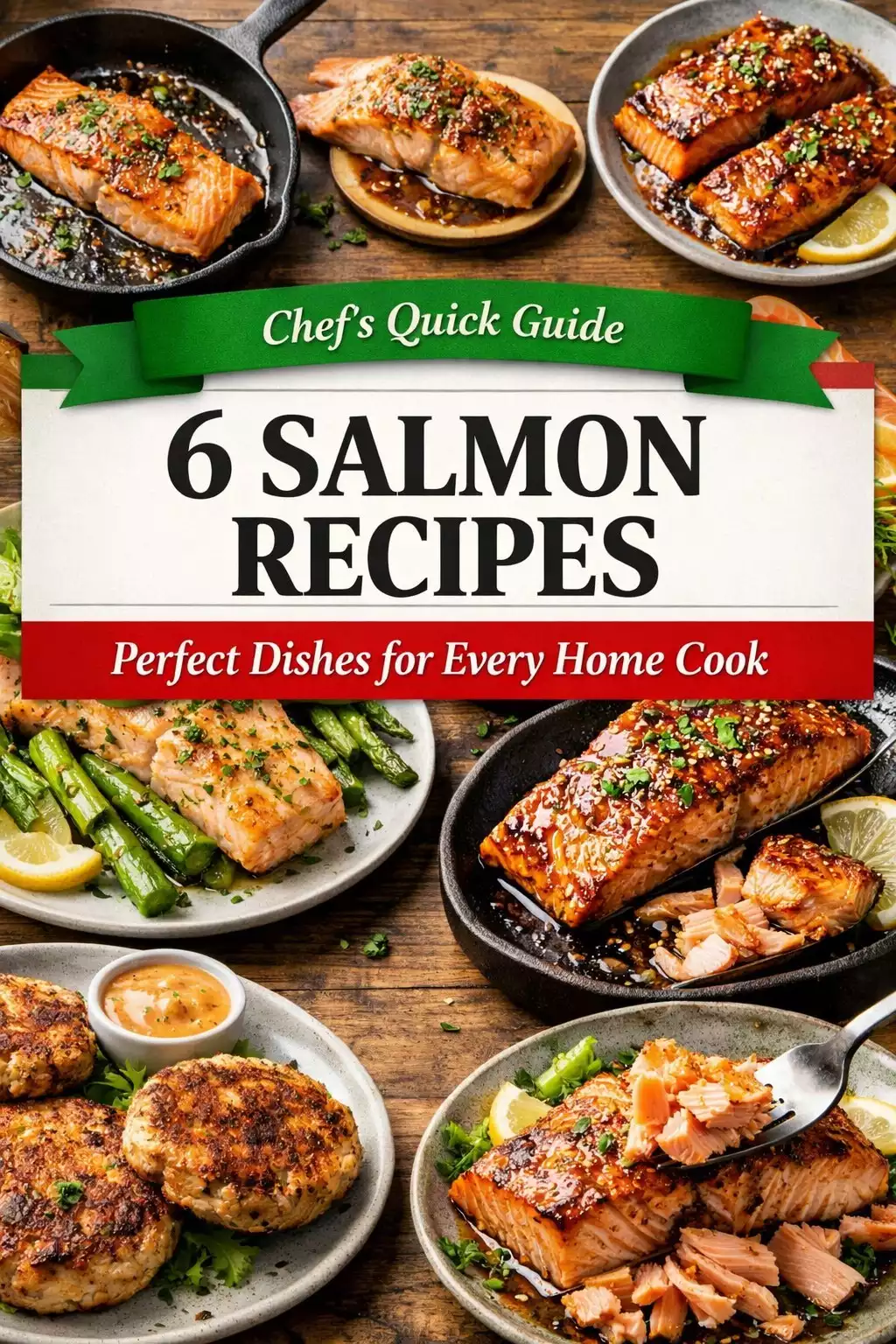
SSit down for this one. 6 Salmon Recipes — from weeknight sheet-pan to properly seared cast-iron preparations. Salmon is the protein that home cooks are most likely to either cook perfectly or ruin completely, and the difference between those two outcomes is almost entirely about heat and timing. Overcooked salmon is chalky, dry, and has a gray ring of cooked protein around the edge. Properly cooked salmon has a translucent center, a clean flake, and a flavor that doesn’t need to be masked by anything.
Every preparation in this collection — baked, pan-seared, air-fried, glazed — is built around the same principle: salmon is done at 125-130°F internal temperature for medium, 140°F for well. Not the fifteen minutes per inch rule you see in every generic recipe. That rule overcooks salmon consistently. A thermometer and these recipes together will change the way you cook fish permanently.
I will die on this hill. Every recipe in this collection was built with the same attention to why techniques work — not just what the steps are. Understanding the why is how you cook consistently instead of occasionally.
Ecco fatto — there it is. Done right. Use this collection as your reference point and come back to it.
Recipes In This Collection

Baked Lemon Herb Salmon
A properly cooked piece of salmon: seared skin-side down until it crisps, finished gently on top. The version that actually delivers on what the recipe promises.
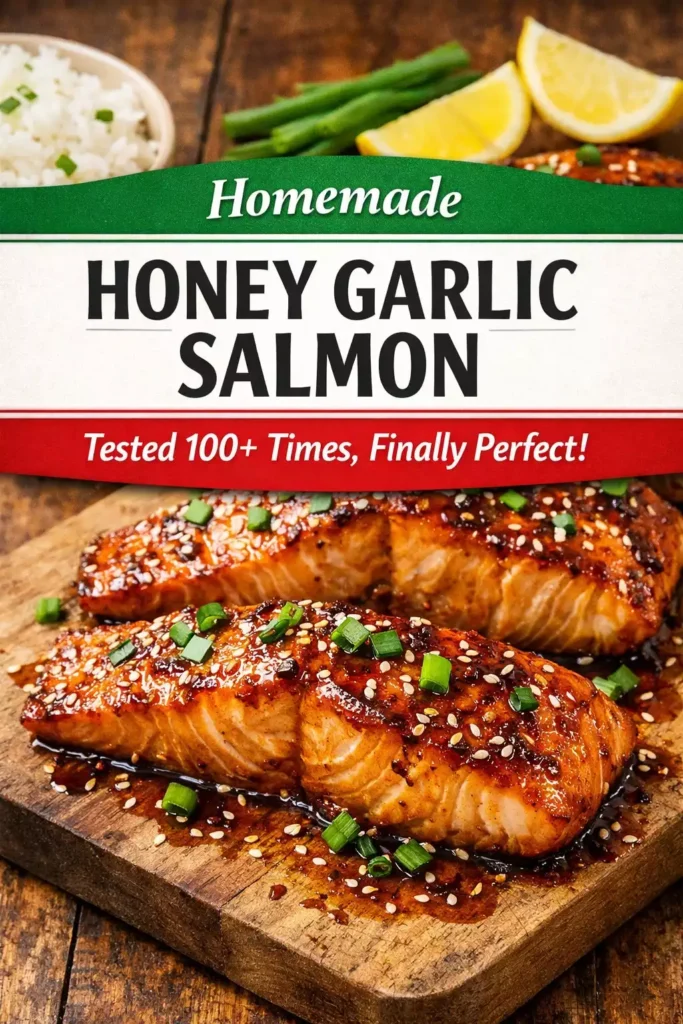
Honey Garlic Salmon
A properly cooked piece of salmon: seared skin-side down until it crisps, finished gently on top. The version that actually delivers on what the recipe promises.
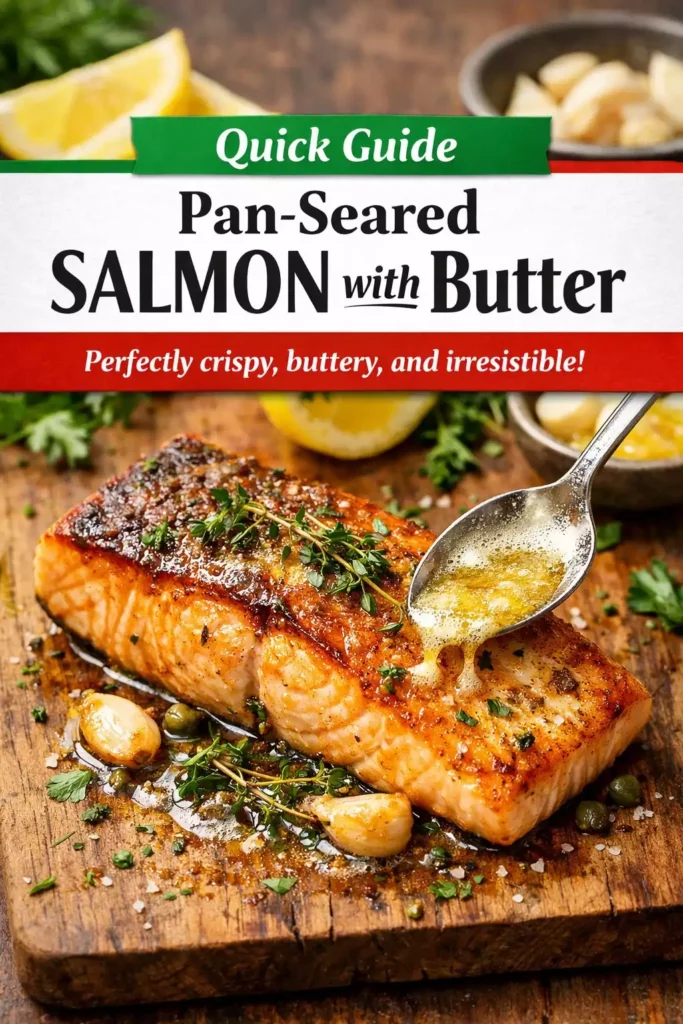
Pan-Seared Salmon with Butter
A properly cooked piece of salmon: seared skin-side down until it crisps, finished gently on top. The version that actually delivers on what the recipe promises.
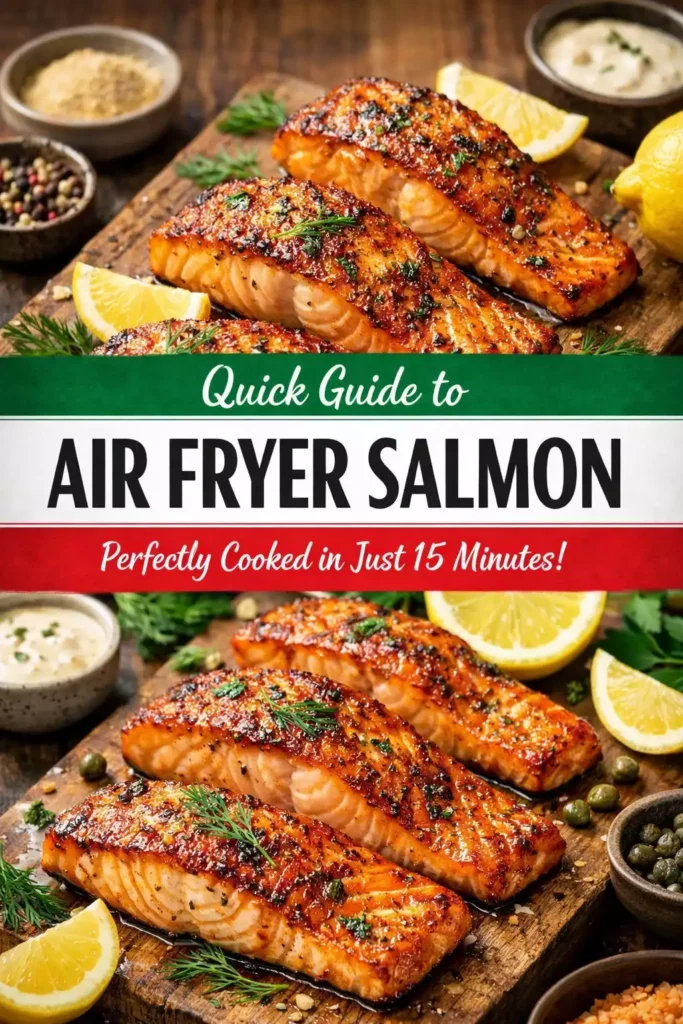
Air Fryer Salmon
The air fryer version — same result, less oil, faster cleanup. The technique that makes this a legitimate weeknight option.
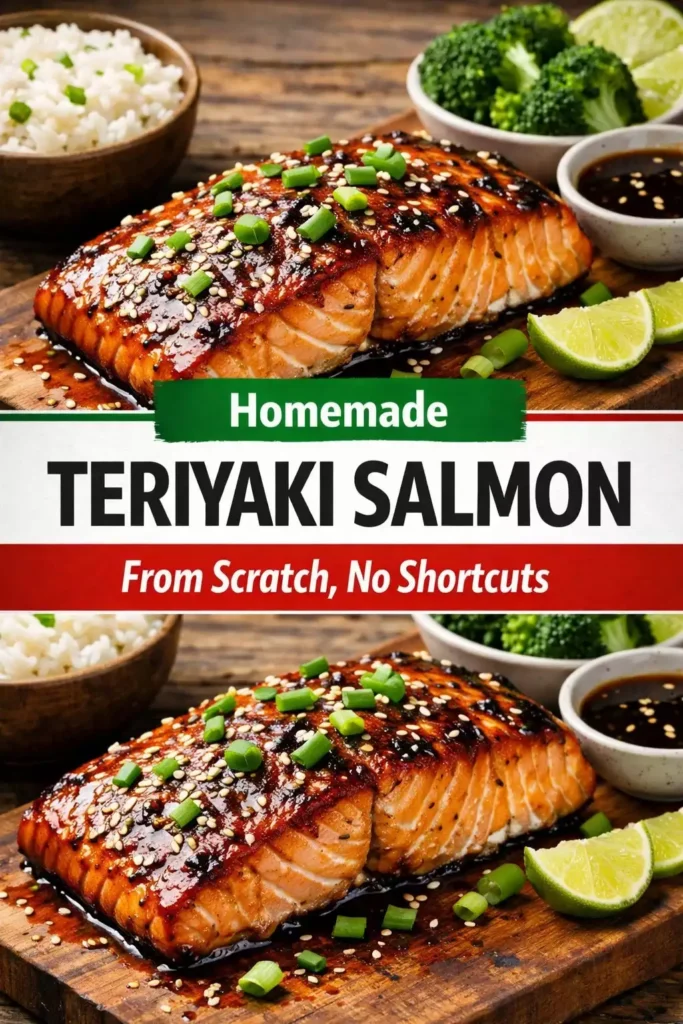
Teriyaki Salmon
A properly cooked piece of salmon: seared skin-side down until it crisps, finished gently on top. The version that actually delivers on what the recipe promises.
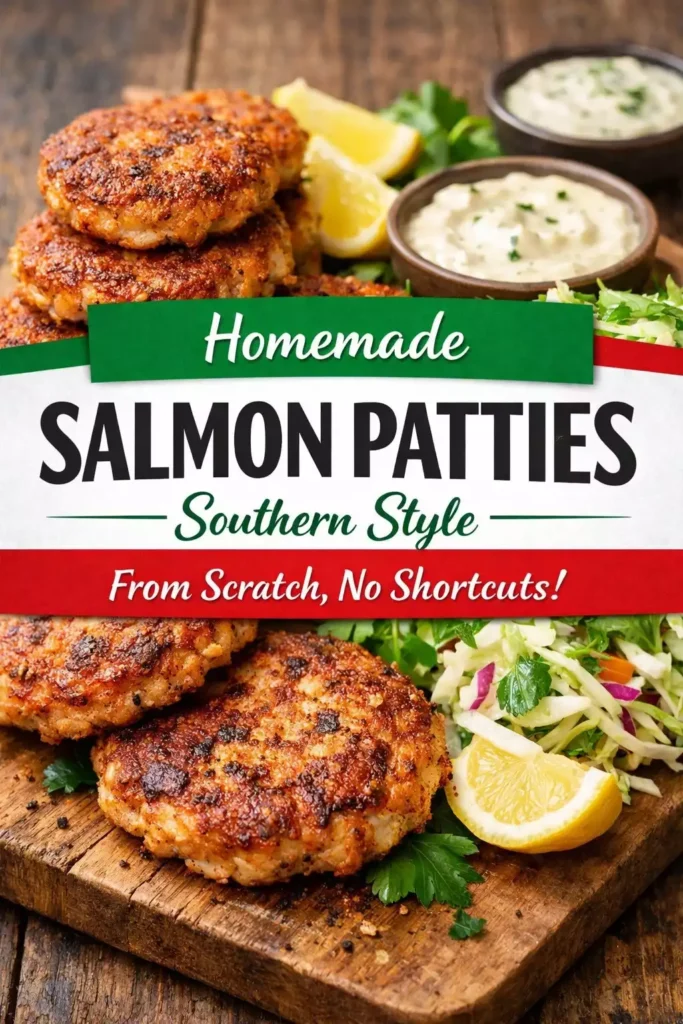
Salmon Patties (Southern Style)
A properly cooked piece of salmon: seared skin-side down until it crisps, finished gently on top. The version that actually delivers on what the recipe promises.
Where Most People Blow It
Don’t overcook it. Salmon is done at 125-130°F for medium. Most home cooks pull it at 145°F or higher, which is the FDA safe minimum — and produces salmon that is dry and overcooked. 125-130°F is the target for silky, just-set salmon.
Bring salmon to room temperature first. Cold salmon straight from the refrigerator produces uneven cooking — the outside overcooks before the interior reaches temperature. Thirty minutes on the counter before cooking makes a significant difference.
Pat it dry before cooking. Surface moisture prevents searing and creates steam. Paper towels, thirty seconds, completely dry surface — then salt, then heat.
Pin bones come out with tweezers. Run your finger along the center of the fillet and feel for the small pin bones that run in a line. Remove them with fish tweezers or needle-nose pliers before cooking. Your guests will notice.
Skin-side down in a cold pan for pan-searing. For crispy skin: start skin-side down in a pan that’s not yet fully hot, let the skin render and crisp as the pan heats, then finish skin-side up. The slow rendering produces a completely crispy skin.
Frequently Asked Questions
How do I know when salmon is done without a thermometer?
Press the thickest part gently with a finger. Undercooked salmon feels soft and yielding. Properly cooked salmon feels firm but still gives slightly. Overcooked salmon feels very firm and bouncy. A thermometer is better.
Should I remove the skin before or after cooking?
After, if you’re removing it at all. Skin-on salmon protects the flesh from the direct heat during cooking. If you want skin-off salmon, cook it skin-side down and remove the skin before plating — it pulls off cleanly from properly cooked fish.
What’s the best type of salmon to cook?
King (Chinook) salmon has the highest fat content and richest flavor. Sockeye is leaner and firmer with a more pronounced flavor. Atlantic salmon is widely available and consistent. All work for these recipes — adjust temperature expectations for leaner fish, which overcooks faster.
Can I cook salmon from frozen?
Yes, but thaw first for best results. Frozen salmon cooked directly produces uneven texture. Thaw overnight in the refrigerator and proceed as directed.
All Recipes In This Collection
Baked Lemon Herb Salmon
Honey Garlic Salmon
Pan-Seared Salmon with Butter
Air Fryer Salmon
Teriyaki Salmon
Salmon Patties (Southern Style)
Related collections: Pasta Recipes · Chicken Recipes · Beef Recipes · Potato Recipes · Easy Dinner Recipes